Discover the Comfort of Creamy Polenta: More than Just a Side Dish
Have you ever found yourself in a cooking rut, tired of the same old side dishes that do little to elevate your meals? You know the feeling—scanning the pantry for inspiration only to be met with the same tired options. Trust me, we’ve all been there. But what if I told you there’s a creamy, comforting dish that not only pleases the palate but also transports you to the kitchens of Italy? Enter Creamy Polenta.
As I stirred a pot of polenta on a rainy day, memories flooded back. I watched the grains transform from coarse cornmeal to a luscious golden base, the kind profound enough to soothe the soul. My grandmother used to prepare polenta on chilly evenings, filling our home with warmth and love. Those moments are etched in my heart—me, sitting at the table, savoring each bite as she recounted tales of her youth in a small Italian village. Creamy Polenta was more than a dish; it was a vessel of connection and comfort.
Now, let’s embark on this culinary journey together. Whether you’re looking to impress dinner guests or just enjoy a delightful evening in, Creamy Polenta is your answer. It’s more than a recipe; it’s a tradition waiting to be revived in your own kitchen.
The Magic Behind Creamy Polenta
If you’ve ever struggled to get it right, you’re not alone. Many cooks find polenta intimidating, fearing lumps and a watery texture. But here’s the secret: patience and technique make all the difference in achieving that smooth, creamy consistency.
What makes Creamy Polenta so special is its versatility. It can serve as a hearty base for rich meats, a delicious side, or even a stand-alone dish topped with sautéed vegetables. For my go-to comfort meal, I often pair it with braised short ribs or a savory mushroom ragù.
Quick Answer:
Quick Answer: The secret to perfect Creamy Polenta is constant stirring and low heat to ensure even cooking.
Let’s break down those essential elements that make Creamy Polenta a showstopper and guide you through creating it effortlessly.
Ingredients, Substitutions & Foolproof Steps
Ingredients:
- 1 cup cornmeal — the star of the show, offers that traditional texture; you can use yellow or white cornmeal based on your preference.
- 4 cups cold water — provides the medium for cooking; consider vegetable or chicken broth for added flavor.
- 1 teaspoon fine salt — enhances all the flavors; feel free to adjust to taste.
- 3 tablespoons unsalted butter — for creaminess and richness; olive oil can be a healthier alternative.
- 1/2 cup freshly grated Parmigiano-Reggiano cheese — gives it that irresistible cheesy flavor; Pecorino Romano can be used for a stronger taste.
Directions / Steps
Now let’s make this creamy goodness come to life.
- Stir and simmer: In a Dutch oven or heavy-bottomed saucepan, combine the cornmeal, cold water, and salt. Set the pan over medium-high heat and bring it to a gentle simmer, stirring continuously to prevent lumps.
- Reduce the heat: Once it starts to simmer, reduce the heat to low. Continue to cook, stirring often to prevent the polenta from sticking to the bottom, until it thickens and the grains are fully cooked (about 45 minutes).
- Finish the polenta: When the polenta is done, taste and adjust the salt as needed. Remove from heat and stir in the butter and Parmigiano-Reggiano cheese until melted and blended smoothly.
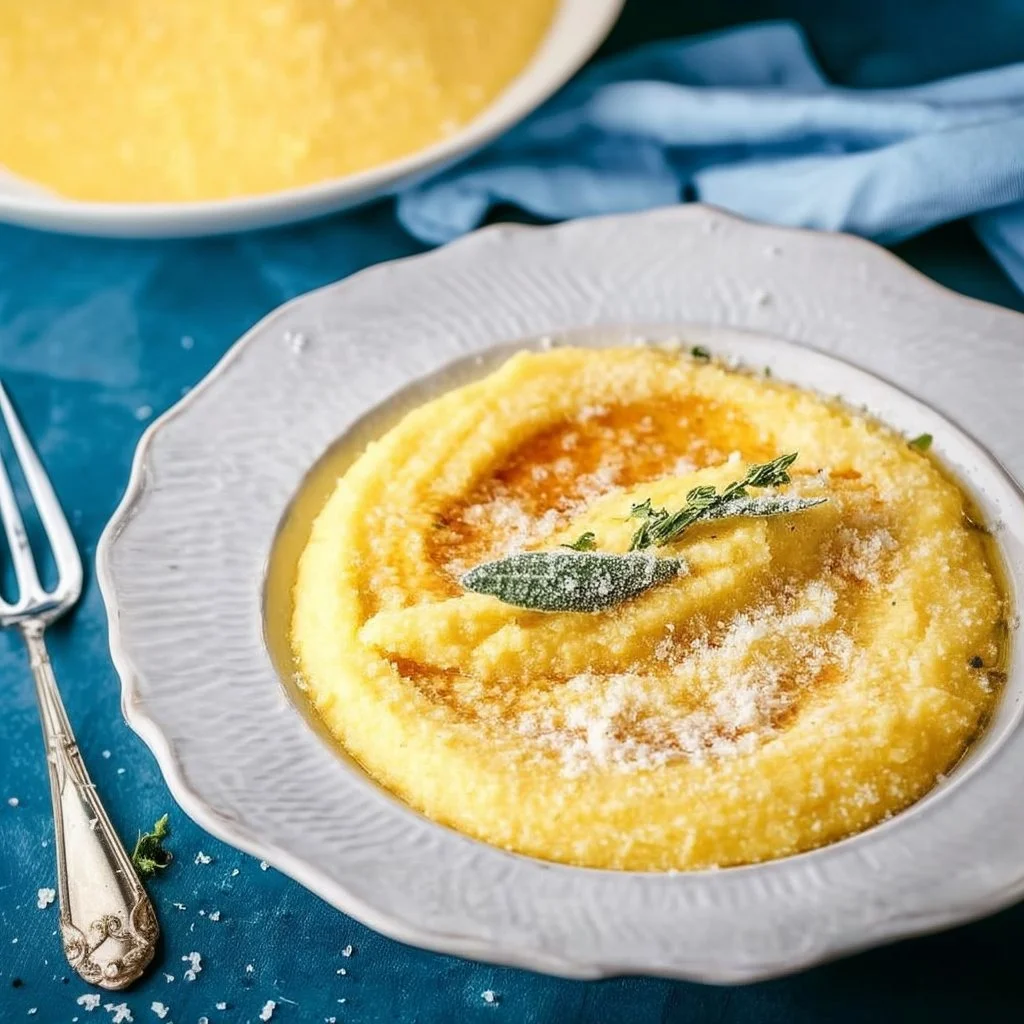
- Serve immediately: Enjoy your Creamy Polenta while warm, potentially topped with sautéed greens, roasted vegetables, or your favorite sauce.
Common Mistakes to Avoid
- Skipping the constant stirring: This is essential to prevent lumps and ensure even cooking.
- Adding hot water: Starting with cold water gives a smoother texture.
- Not allowing enough cooking time: Patience is key for the flavors to develop fully.
Pro Tips
- Try flavored broths: Using vegetable or chicken broth enriches the taste.
- Experiment with toppings: Creamy Polenta pairs well with everything from marinara sauce to grilled meats.
- Let it cool and set: Polenta can be poured into a dish to set and then sliced for grilling or frying later.
Serving, Storage & Freezer Tips
How to Serve Creamy Polenta
Creamy Polenta is best served warm. You can dress it up with sautéed greens, a drizzle of good olive oil, or even a spoonful of your favorite sauce. For a heartier dish, consider layering it with a rich meat ragù.
How to Store Creamy Polenta
Leftover polenta can be stored in an airtight container in the refrigerator for up to 5 days. When ready to use, reheat gently on the stove with a splash of water or broth to restore its creamy consistency.
Can You Freeze Creamy Polenta?
Yes, you can freeze Creamy Polenta! Pour it into a greased dish to set, then cut into squares and freeze in an airtight container or ziplock bag. When ready to enjoy, thaw and reheat, adding water if necessary to adjust the texture.
Reflecting on the memories tied to this dish, it’s more than just comfort food; it’s about gathering around the table with loved ones, sharing laughter, and nurturing connections.
FAQs
What can I serve with Creamy Polenta?
Creamy Polenta pairs beautifully with sautéed greens, mushroom ragù, crispy chicken, or grilled sausages. It’s a versatile dish that complements many flavors.
How do you know when polenta is done cooking?
The polenta is ready when it becomes thick, pulls away from the sides of the pot, and the grains are tender. Cooking time is usually about 45 minutes.
Can I make Creamy Polenta ahead of time?
Yes! While it’s best enjoyed fresh, you can make it ahead of time and simply reheat it before serving. Just add a bit of water to restore its creaminess.
Why is my polenta lumpy?
Lumps often occur when the cornmeal is added to hot liquid quickly. Always stir while adding cornmeal to avoid lumps and ensure a smooth texture.
Conclusion
Reflecting on the journey of making Creamy Polenta brings a warm smile to my face. It’s not just the engaging process or the exquisite taste; it’s the memories attached to it—the laughter, the stories, the comfort we find in each bite.
If this recipe reminds you of someone you love, share it with them. Your memories keep recipes alive.
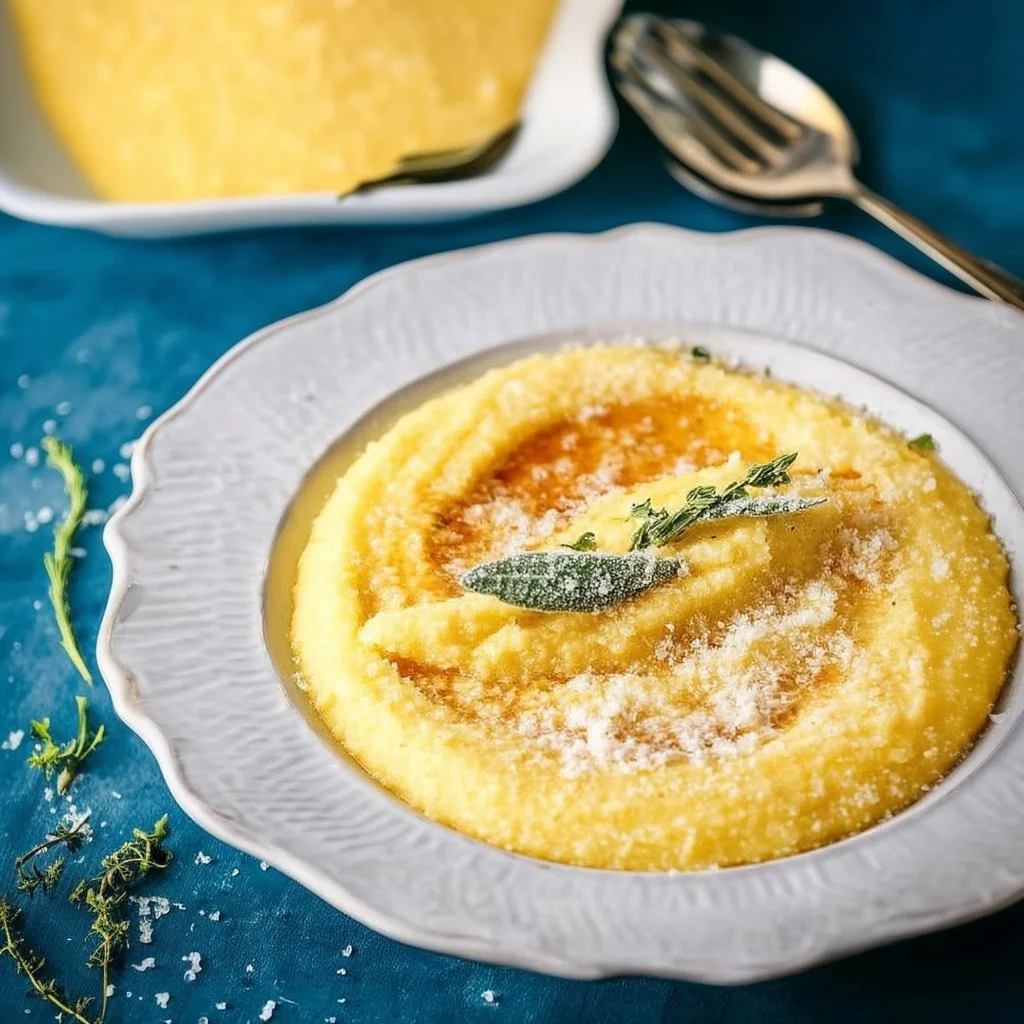
Creamy Polenta
Ingredients
Method
- In a Dutch oven or heavy-bottomed saucepan, combine the cornmeal, cold water, and salt.
- Set the pan over medium-high heat and bring it to a gentle simmer, stirring continuously to prevent lumps.
- Once it starts to simmer, reduce the heat to low and continue to cook, stirring often until the polenta thickens and the grains are fully cooked (about 45 minutes).
- When done, taste and adjust the salt as needed. Remove from heat and stir in the butter and Parmigiano-Reggiano cheese until melted and blended smoothly.
- Serve immediately while warm, optionally topped with sautéed greens, roasted vegetables, or your favorite sauce.