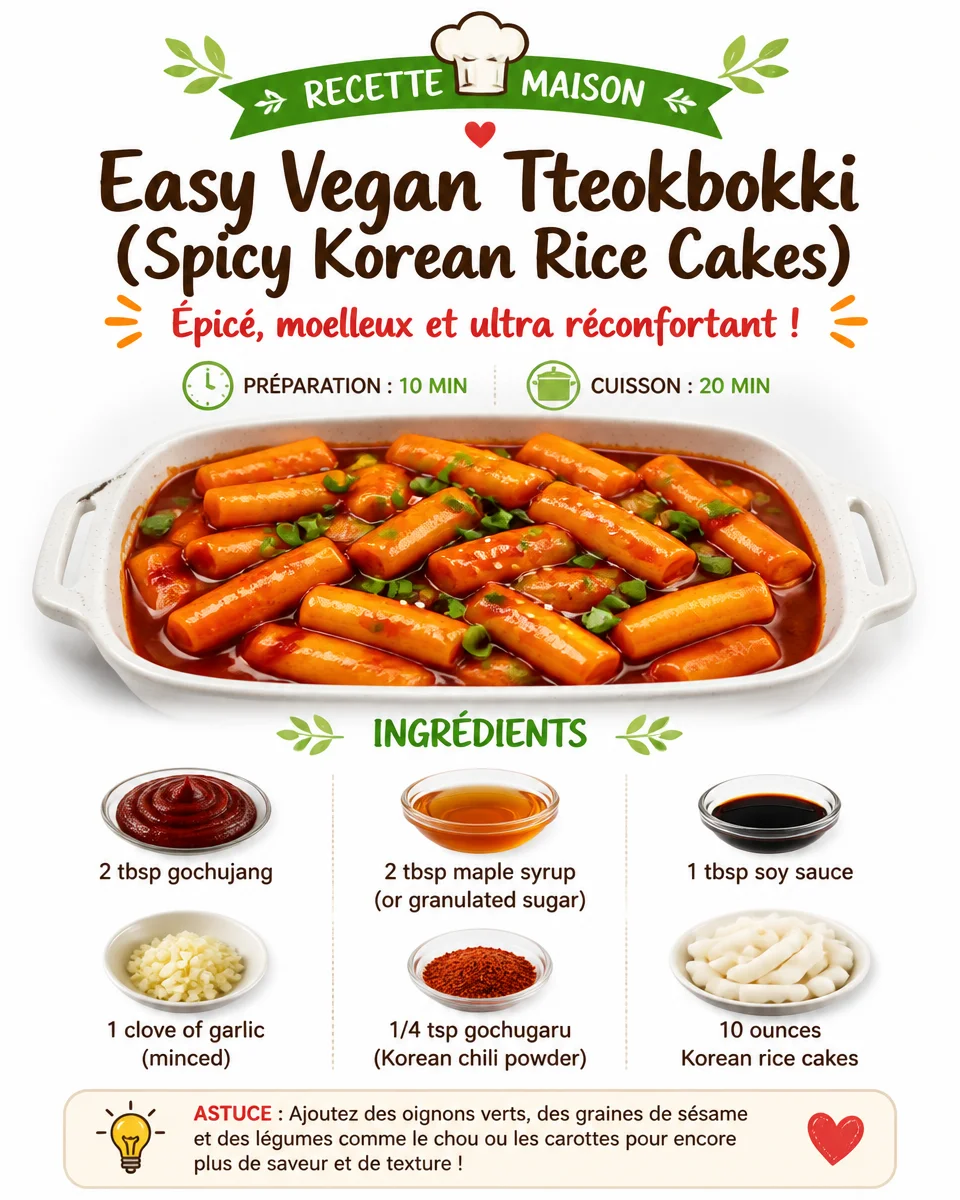
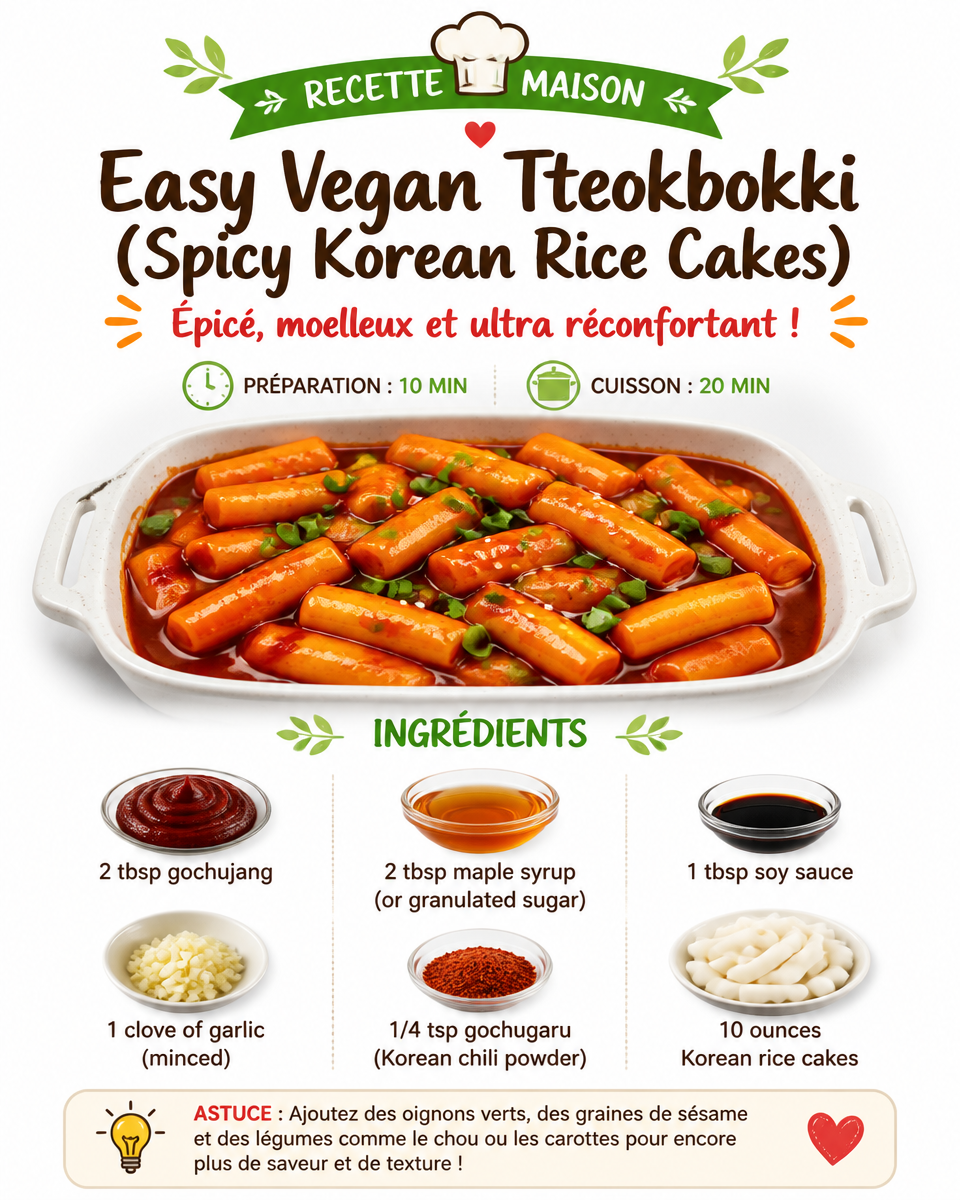
Easy Vegan Tteokbokki (Spicy Korean Rice Cakes)
Are you ready to spice up your weeknight dinners with a delightful dish that’s both comforting and bursting with flavor? This Easy Vegan Tteokbokki features chewy rice cakes simmered in a rich, spicy sauce that’s both savory and sweet. Imagine the perfect blend of textures—the soft, slightly chewy rice cakes against the backdrop of a thick, vibrant sauce that clings to each bite. This dish isn’t just a meal; it’s an experience that brings the flavors of Korea right to your kitchen. Whether you’re celebrating a special occasion or simply looking for a comforting meal to satisfy your cravings, this recipe delivers both warmth and satisfaction. Perfect as a snack or a main course, vegan tteokbokki is a quick and easy way to impress your family or guests. Plus, it’s a fun, shareable dish that’s perfect for any cozy gathering.
Why You’ll Love This Recipe
This recipe is a game-changer for anyone looking to enjoy authentic flavors without sacrificing dietary preferences. Firstly, it is super simple to prepare, making it ideal for weeknight dinners or spontaneous gatherings. Secondly, it’s packed with robust flavors, thanks to the gochujang and gochugaru, which offer a delightful kick that’s balanced by the sweetness of maple syrup. The soft, comforting texture of the rice cakes provides a mouthfeel that complements the sauce beautifully. Additionally, this dish is endlessly customizable, allowing you to throw in various vegetables or proteins based on what you have in your pantry. Plus, being completely vegan means that it’s suitable for a broader audience, ensuring that everyone can partake in this flavorful adventure.
What Makes This Recipe Special
What truly sets this dish apart is the unique combination of flavors and textures that make every bite a delight. The gochujang, a fermented Korean chili paste, contributes depth and umami, while the addition of sweet maple syrup or sugar brings balance. The optional vegan cocktail sausages and fish cakes add an extra heartiness, making this tteokbokki not only satisfying but nutritious as well. Varieties of toppings, such as toasted sesame seeds and fresh green onions, elevate the dish visually and taste-wise. Moreover, this easy, homemade recipe brings the experience of Korean street food right into your home kitchen, allowing you to whip up a comforting meal that’s both high in flavor and protein. Whether you enjoy it as a quick lunch or a late-night snack, you’ll love how versatile and enjoyable this dish can be.
Ingredients
gochujang: A sweet and spicy Korean chili paste that forms the base of the sauce.
maple syrup: Provides sweetness that balances the spice from the gochujang.
soy sauce: Adds umami and depth to the flavor profile.
garlic: Imparts a savory note that enhances the overall taste.
gochugaru: A Korean chili powder that adds extra heat and flavor.
Korean rice cakes: The star of the dish, these chewy delights are essential for the tteokbokki experience.
water: Helps to cook the rice cakes and create the sauce.
vegan cocktail sausages: Optional addition for those looking for extra protein and heartiness.
vegan "fish" cakes: An optional ingredient that adds a unique flavor and texture.
green onions: Offers freshness and crunch when added at the end of cooking.
toasted sesame seeds: Perfect for topping, adding a nutty flavor and visual appeal.
How to Make Easy Vegan Tteokbokki (Spicy Korean Rice Cakes)
STEP 1. Prepare the spicy sauce. In a small bowl, stir together the gochujang, maple syrup, soy sauce, minced garlic, and gochugaru until fully combined.
STEP 2. Combine ingredients in a skillet. Transfer the sauce mixture to a skillet or large saucepan, adding the Korean rice cakes. Then cover with water.
STEP 3. Bring to a boil. Heat over medium until the mixture reaches a boil.
STEP 4. Simmer the rice cakes. Reduce the heat and let simmer uncovered for about 8 minutes, stirring occasionally.
STEP 5. Add in extras. After 8 minutes, stir in the green onions, vegan cocktail sausages, and vegan "fish" cakes if using.
STEP 6. Finish simmering. Let it simmer for another 7-8 minutes, or until the rice cakes are very tender and the sauce has thickened to your liking. If the sauce becomes too thick, add a little more water as needed.
STEP 7. Prepare to serve. Divide the tteokbokki into serving bowls and top with toasted sesame seeds before enjoying!
Tteokbokki will keep for up to 2 days in the refrigerator. To reheat, warm over medium heat for 7-8 minutes, adding a few tablespoons of water if necessary.
Pro Tips
To elevate your tteokbokki experience, make sure to keep your rice cakes submerged in the sauce to maintain their moisture. If you’re using dry rice cakes that need soaking, remember to soak them for a few hours beforehand or follow package instructions. To enhance the flavors even further, consider adding a splash of vegetable broth along with water for extra depth. If you enjoy more texture, throw in some sautéed vegetables like bell peppers or cabbage at the end of cooking. This dish is incredibly forgiving, so don’t shy away from experimenting with different toppings or condiments such as sesame oil or crushed peanuts. Lastly, to save time, pre-chop your green onions and prepare the sauce in advance for quick assembly on busy nights.
Common Mistakes to Avoid
One common mistake is simmering the dish for too long, which can lead to overly soft rice cakes that lose their desired chewiness. Also, avoid skipping the step of stirring occasionally, as it prevents the rice cakes from sticking to the pan and ensures even cooking. Be cautious with the amount of gochugaru, especially if you’re sensitive to spice; you can always add more later. Remember to monitor the sauce’s consistency; if it becomes too thick, don’t hesitate to add more water to achieve your desired texture. Using different types of rice cakes can also yield varying results; stick with traditional Korean rice cakes for the best outcome. Lastly, ensure all ingredients are properly measured and prepared to avoid last-minute scrambles.
Variations
• Swap half of the rice cakes for noodles for a new texture.
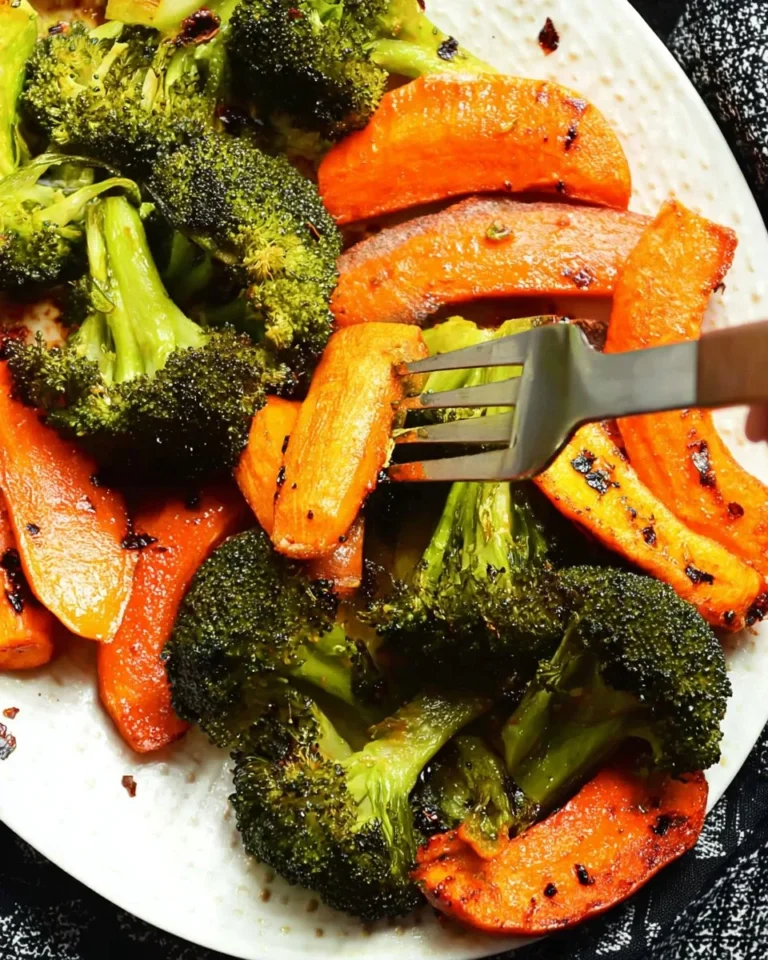
• Add steamed vegetables like broccoli or carrots for added nutrition.
• Use different types of protein, like tofu or tempeh, as a substitute.
• Sprinkle with additional toppings such as sliced chilies for a kick.
• Experiment with different types of sauces like teriyaki for a unique twist.
Serving Ideas
Tteokbokki can be served as a standalone dish for a satisfying lunch or dinner. For a more elaborate feast, pair it with side dishes like kimchi or pickled vegetables to add brightness and contrast. Consider serving it with rice or a refreshing salad to balance the heat. This dish can also be incorporated into a fun tapas-style meal where guests can mix and match with various small plates, including dumplings or rice balls. A sprinkle of lime or lemon juice added at the table can also provide a pleasing acidity that elevates the flavors even further.
Meal Prep & Storage
For meal prep enthusiasts, tteokbokki is a fantastic option for batch cooking. You can make a larger quantity and refrigerate leftovers for up to two days. The flavors develop even further after resting, making reheating a delicious option for quick lunches or snacks. When storing, ensure the dish is in an airtight container to maintain freshness. Reheat over medium heat, adding a small amount of water to restore that saucy consistency. If you’re planning to meal prep, consider keeping the toppings separate to preserve their texture and flavor.
{image_template}
FAQs
Can I use frozen rice cakes?
Yes, frozen rice cakes can be used, but they may require additional soaking or cooking time.
Is there a substitute for gochujang?
If gochujang is not available, you can mix red chili paste with a bit of sugar to mimic the flavors, but the taste will slightly differ.
How spicy is this dish?
The spice level can be adjusted based on your preference; feel free to reduce the amount of gochugaru for a milder flavor.
Can I make this gluten-free?
Yes, use gluten-free soy sauce or tamari to ensure the dish remains gluten-free.
What can I add for additional flavor?
Feel free to experiment with ginger, mushrooms, or additional vegetables to enhance the dish.
Conclusion
This delightful vegan tteokbokki offers a perfect blend of spicy, sweet, and umami flavors that’s hard to resist. Whether enjoyed alone or shared with friends and family, it’s an easy recipe that brings comfort and joy to the table. Dive into this dish for a satisfying culinary experience that will leave you craving more.