Canned Tuna Pasta: A Delicious and Quick Meal to Make Tonight
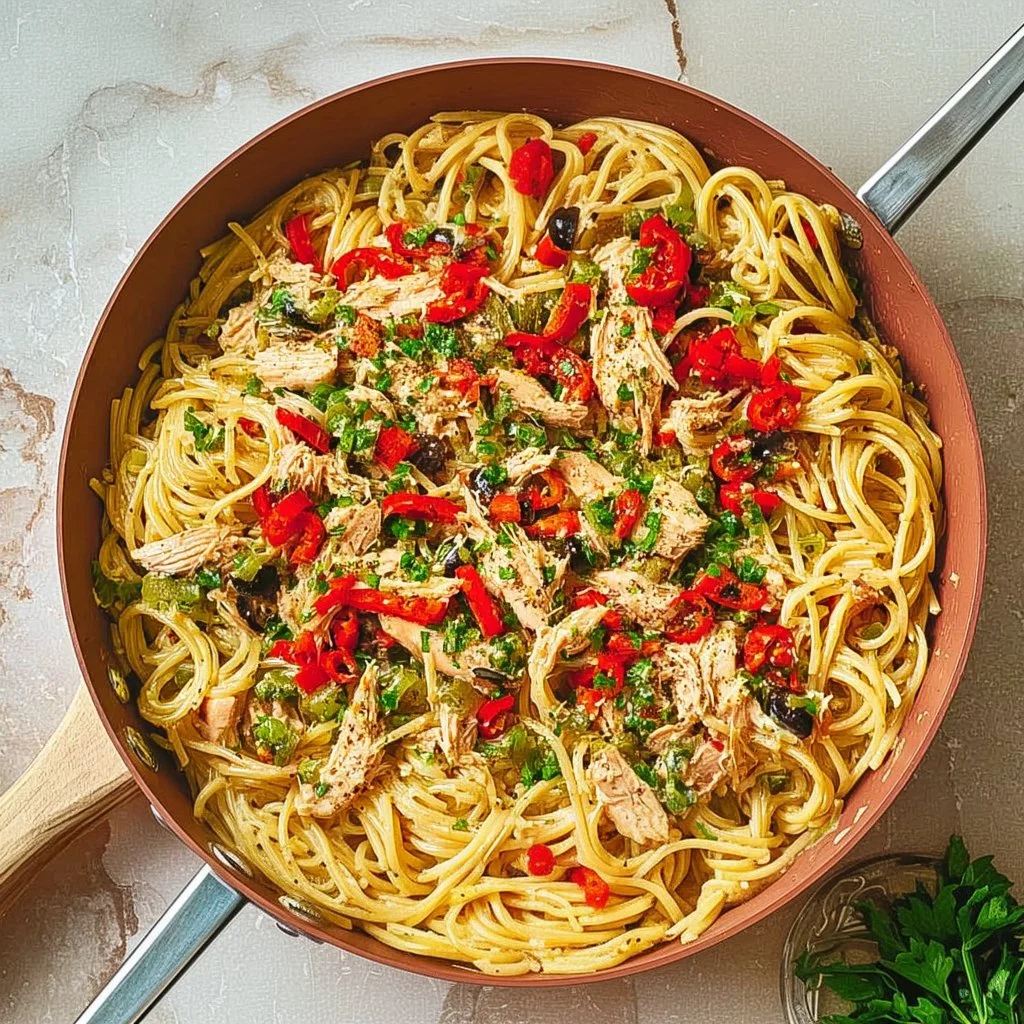
In our busy lives, we often find ourselves standing in front of the pantry, searching for something nutritious yet simple to prepare. If you’ve ever felt the pull of hunger while staring at a can of tuna and wondering what to pair it with, you’re not alone. Canned Tuna Pasta is not just a dish; it’s a delicious solution to the age-old question: “What’s for dinner?” With its easy-to-find ingredients and quick preparation, this recipe will not only fill your stomach but also warm your heart.
From Chaos to Comfort: My Journey with Tuna Pasta
Every home cook encounters those evenings when the clock ticks loudly, and the refrigerator seems empty. Once, while waiting for my kids to return from soccer practice, I rifled through my pantry, feeling the kitchen chaos rising. That day, I opened a can of albacore tuna and thought, “Why not?” I tossed it into a pot with some pasta, added whatever vegetables alive in my fridge, and in less than thirty minutes, we sat down to a nourishing meal. Canned Tuna Pasta became a staple in our household, offering not just sustenance but also joyful bonding moments over shared plates.
This dish is easy to personalize, ensuring that everyone’s taste buds are satisfied. Tuna can be combined with whatever fresh or frozen veggies you have on hand, and it’s a perfect canvas for a variety of flavors. Trust me; there’s a good reason this recipe has been a favorite for generations.
When I think about my journey in the kitchen, I often reflect on the little moments of triumph—like pulling off a home-cooked meal amidst the chaos—and that’s why Canned Tuna Pasta holds a special place in my heart. It’s more than just a recipe; it’s an exercise in creativity and an example of how simple meals can bring families together.
Why Canned Tuna Pasta Works Like a Charm
Canned Tuna Pasta shines for several practical reasons. First, canned tuna is a pantry staple that lasts for ages, making it an emergency go-to for busy nights. Second, this meal is versatile and adaptable—your family can tweak it just how they like. You can add spicy jalapeños for a kick or keep it mild for the kids; the choice is yours!
The beauty lies in how well the simple ingredients work together—the rich flavor of tuna, vibrant vegetables, and a citrusy zing from fresh lemon create a symphony in your mouth.
Quick Answer: The secret to perfect Canned Tuna Pasta is using high-quality extra virgin olive oil to enhance the flavors of the ingredients.
Using high-quality olive oil not only adds richness but also health benefits. Toss in some frozen peas and fresh herbs to elevate your dish. And if you want a heartier version, feel free to substitute the pasta with whole wheat options or explore gluten-free varieties!
For more quick recipes just like this one, check out our guide on Easy Dinner Ideas.
Ingredients, Substitutions & Foolproof Steps
Here’s what you’ll need to make your own Canned Tuna Pasta:
- 3/4 pound spaghetti — Classic pasta choice; you can switch it out for your favorite variety.
- Kosher salt — Essential for seasoning; don’t skip it!
- 1 1/2 cups frozen peas — Sweet, vibrant addition; fresh peas work too, if in season.
- Extra virgin olive oil — A little drizzle goes a long way; feel free to use sunflower or canola oil in a pinch.
- 1 red bell pepper — Adds color and sweetness; substitute with zucchini or orange bell pepper.
- 6 garlic cloves (minced) — Fresh garlic brings a wonderful aroma; use garlic powder if you’re in a hurry.
- 2 (5-ounce) cans albacore tuna — Star ingredient; any canned tuna works, but go for one packed in water for lower fat.
- 1 lemon (zested and juiced) — Fresh citrus brightens the dish; lime can be an interesting twist.
- 1/2 bunch parsley (chopped) — Fresh herbs brighten up flavors; basil is a fantastic alternative.
- 1 teaspoon dried oregano — Adds a Mediterranean touch; thyme or Italian seasoning can replace it.
- Black pepper — To taste; fresh cracked is best for added zing.
- 6 to 8 pitted Kalamata olives (sliced) — A salty hit; switch to green olives or skip them if you prefer.
- 1 jalapeno pepper (optional) — Adds heat; omit if you want a milder dish.
- Grated Parmesan cheese (for serving) — Classic and scrumptious; do nutritional yeast for a vegan-friendly option.
Directions/Steps
- Cook the pasta and peas: Bring a large pot of water to a rolling boil. Once boiling, season generously with salt. Cook the pasta until al dente according to the package directions. Add frozen peas five minutes into cooking. Reserve 3/4 cup of cooking water; then drain.
- Cook the veggies: In a large, deep pan, heat 2 tablespoons of olive oil over medium-high heat. Once shimmering, add the bell peppers and sauté until softened, about 3 to 4 minutes. Toss in the garlic and cook until fragrant, about 30 seconds.
- Finish and serve: Add the drained pasta and peas, tuna, lemon zest, lemon juice, parsley, oregano, black pepper, olives, and jalapeño (if using). Drizzle some olive oil and a splash of reserved pasta water. Toss everything vigorously, adjusting the texture by adding more pasta water as needed. Once combined, serve in bowls with a sprinkle of Parmesan.
Common Mistakes to Avoid
- Forgetting to salt the pasta water can make a huge difference in flavor.
- Overcooking the pasta leads to a mushy texture—always aim for al dente.
- Not using enough olive oil can make the pasta dry. Err on the side of more, particularly if you want it saucy.
Pro Tips:
- Let the pasta cool completely before storing to prevent sogginess.
- Make it a one-pot meal by cooking everything in the same pot after the pasta.
- Experiment with herbs and spices to suit your family’s taste.
Nutrition Highlights:
NutrientPer Serving Protein7g Carbs12g Fat6g For additional meal ideas, check out our comfort food recipes.
Serving, Storage & Freezer Tips
How to Serve Canned Tuna Pasta
Canned Tuna Pasta shines best when served warm with plenty of garnishes like fresh parsley and a grating of Parmesan.
How to Store Canned Tuna Pasta
Refrigerate leftovers in a sealed container for up to three days. To avoid soggy pasta, store sauce separate if possible.
Can You Freeze Canned Tuna Pasta?
While you can freeze Canned Tuna Pasta, it’s best enjoyed fresh. If freezing, separate the pasta and sauce for better texture upon thawing.
Reflecting on the countless meals shared over this dish, it’s a reminder of how simple ingredients can provide comfort. Canned Tuna Pasta offers solace and satisfaction on those hectic days.
Frequently Asked Questions
Can I use fresh tuna instead of canned?
Absolutely! Freshly cooked tuna will add a delightful flavor, but make sure it’s cooked fully before mixing into your pasta.
Is Canned Tuna Pasta healthy?
Yes! It’s packed with protein and essential nutrients, especially when combined with vegetables and whole-grain pasta.
What can I add to make it more filling?
Consider tossing in a handful of spinach or even some cooked chicken for added protein and depth.
Can I make it vegetarian?
Yes! Substitute tuna with chickpeas or carrots for a hearty vegetarian alternative.
Conclusion
Canned Tuna Pasta stands as a warm reminder of home-cooked simplicity when life gets busy. With versatility in ingredients and preparation, it’s a dish you’ll make time and time again. If this recipe reminds you of someone you love, share it with them. Your memories keep recipes alive.
You May Also Like:
- Peanut Butter Chicken: The Ultimate Comfort Food Dish
- Chili Con Carne with Macaroni: A Comfort Food Fusion
- Turkey Pot Pie: Cozy Comforting Homemade 7-Ingredient Magic
Canned Tuna Pasta
Ingredients
Method
- Bring a large pot of water to a rolling boil. Once boiling, season generously with salt. Cook the pasta until al dente according to the package directions. Add frozen peas five minutes into cooking. Reserve 3/4 cup of cooking water; then drain.
- In a large, deep pan, heat 2 tablespoons of olive oil over medium-high heat. Once shimmering, add the bell peppers and sauté until softened, about 3 to 4 minutes. Toss in the garlic and cook until fragrant, about 30 seconds.
- Add the drained pasta and peas, tuna, lemon zest, lemon juice, parsley, oregano, black pepper, olives, and jalapeño (if using). Drizzle some olive oil and a splash of reserved pasta water. Toss everything vigorously, adjusting the texture by adding more pasta water as needed. Once combined, serve in bowls with a sprinkle of Parmesan.