
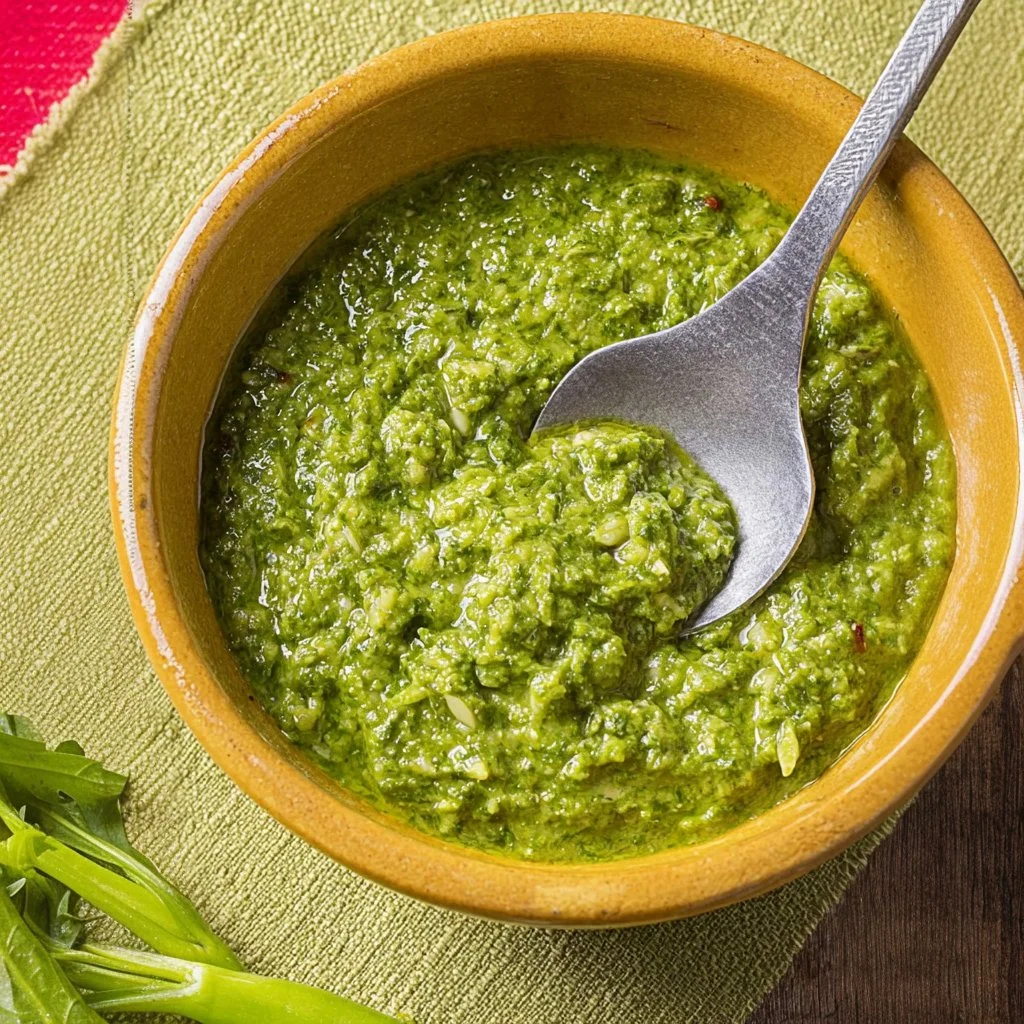
When it comes to infusing flavorful magic into your dishes, nothing beats the allure of homemade green curry paste. Yet, many home cooks shy away from making it themselves, surrendering to the convenience of store-bought versions that often lack depth and authenticity. If this resonates with you, you’re not alone. I remember the first time I attempted to create my own green curry paste — the moment my kitchen filled with pungent, aromatic spices, I knew I had unlocked a culinary treasure. Today, I want to share my experience and guide you through a straightforward recipe that will transform your meals into a vibrant celebration of flavor.
The Frustration: Why Take the Plunge?
One common frustration that many home cooks face is the overwhelming complexity of international cuisine, and Thai cooking is no exception. When I tried replicating a beloved Thai dish, I found store-bought curry pastes were loaded with preservatives and artificial flavors, leaving me yearning for the fresh, authentic taste I had experienced at my favorite restaurant. I recalled family meals where the aroma of fresh ingredients filled our home, invoking nostalgia and warmth. After a few attempts, I perfected my own homemade paste and could finally recreate those cherished moments. Don’t let intimidation hold you back; this Green Curry Paste Recipe will be your ticket to culinary exploration!
Making your own green curry paste requires a few quality ingredients like green chilies, lemongrass, and fresh herbs. It not only enhances your cooking experience but also gives you complete control over flavors and freshness. In doing so, you’ll discover a whole new world of delicious possibilities.
Why the Green Curry Paste Recipe Works Wonders
Understanding the essential components of Thai cuisine reveals why this Green Curry Paste Recipe is so successful. The lively combination of spices and fresh herbs creates a balance of flavors that is both complex and refreshing. When prepared correctly, your curry paste will elevate your dishes to a new level, resulting in an aromatic and mouthwatering experience.
Quick Answer: The secret to perfect Green Curry Paste Recipe is blending fresh herbs with the right spices for depth of flavor.
This unique blend brings together spicy, sweet, and savory notes. For an extra boost of flavor, consider the tangy richness of fish sauce and shrimp paste. These ingredients not only synergize beautifully with the fresh elements of the paste but also contribute umami—a taste essential in Asian cuisines.
Enhancing your dishes is as easy as integrating your homemade paste into a stir-fry or a comforting broth. When you start cooking with your homemade Green Curry Paste, you’ll realize that each ingredient complements the others in ways that store-bought options cannot dream of. You might also want to explore our peanut butter chicken recipe for a delightful pairing.
The Perfect Ingredients for Your Green Curry Paste
Creating the perfect green curry paste begins with choosing quality ingredients. Here’s what you’ll need:
- 5 medium-sized green chili peppers — Add heat and complexity; substitute with jalapeños if desired.
- 1 stalk lemongrass (minced or 2 tablespoons prepared lemongrass paste) — Offers a fresh citrusy note; fresh lemongrass is preferred but paste works in a pinch.
- 1 shallot (chopped) — Provides sweetness; onion can work if shallots aren’t available.
- 5 cloves garlic (chopped) — Adds depth; garlic powder is a backup, but fresh is best.
- 1 tablespoon chopped galangal (or ginger) — Imparts warmth; you can switch this with fresh ginger.
- 1/2 cup cilantro (chopped, stems included) — Contributes herbal brightness; parsley is a good alternative.
- 1/2 cup Thai basil (or fresh basil or spinach) — Enhances aroma; basil is a great substitute.
- 2 teaspoons coriander seeds — Brings earthiness; ground coriander can save time if needed.
- 1 teaspoon cumin seeds — Adds warmth; you may use ground cumin.
- 1/2 teaspoon white peppercorns (or white pepper) — Complements the spice mix; black pepper can substitute.
- 3 tablespoons fish sauce — Essential for umami; soy sauce can work as a vegetarian alternative.
- 1 teaspoon shrimp paste — Adds depth; omit for a vegan version.
- Juice from 1 small lime — Offers acidity; lemon juice is an excellent backup option.
- Salt (to taste) — Balances flavors; adjust as needed.
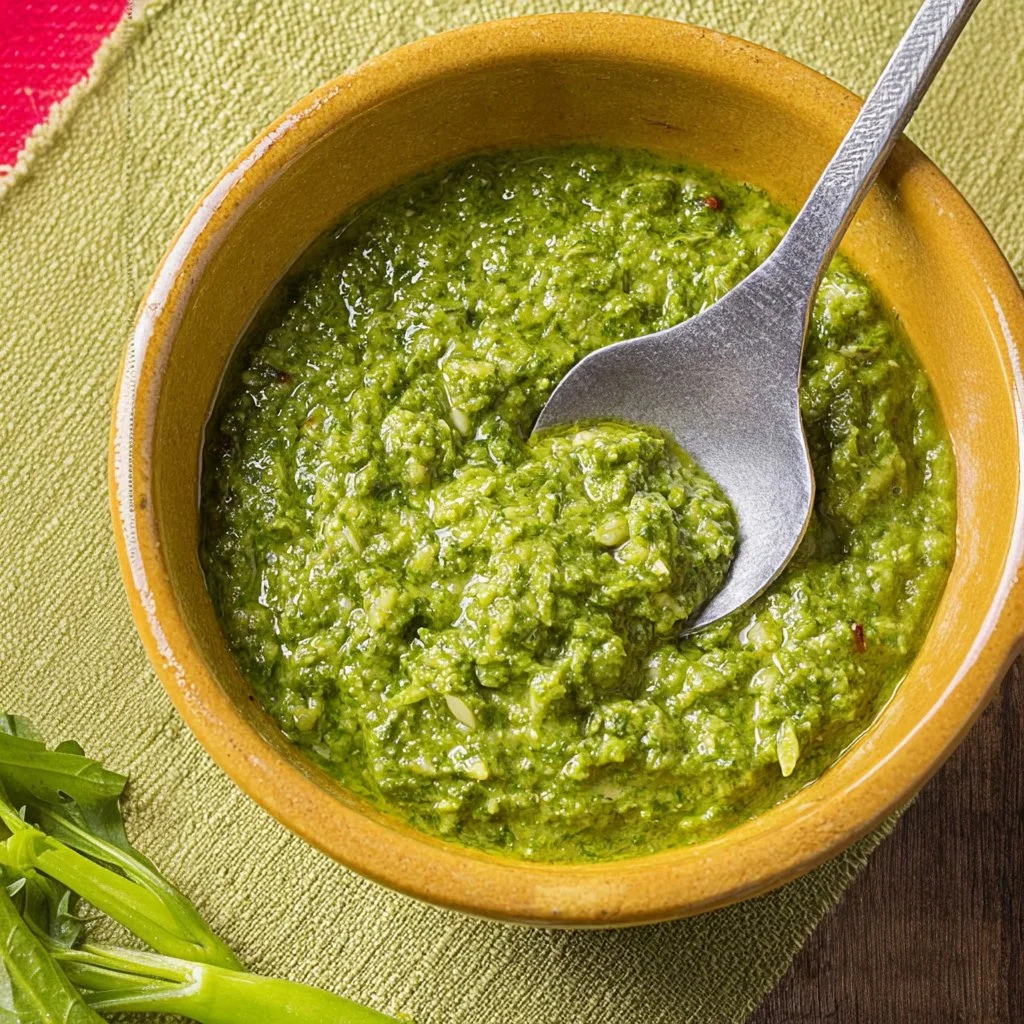
To prepare your green curry paste, add all the ingredients to a food processor or blender, and process until a thick paste forms. Alternatively, you can use a mortar and pestle for a more traditional approach. Feel free to adjust the salt and spices to your liking.
Common Mistakes to Avoid:
- Not using fresh herbs — Dried herbs lack the flavor impact of fresh ingredients.
- Rushing the blending process — Take your time to ensure everything is appropriately mixed for consistency.
- Skipping salt — A small amount can enhance all the flavors significantly.
Pro Tips:
- Taste as you blend to adjust seasoning.
- Batch your paste and store half in the freezer for quick future meals.
- Experiment with spice levels by adjusting the chili peppers.
Nutritional Highlights Table:
NutrientPer Serving Protein7g Carbs12g Fat6g Preparing your green curry paste is simple and rewarding, especially when you realize how it can uplift any meal you create. Consider pairing your green curry paste with a comforting chicken and rice soup for a cozy weeknight dinner that your family will cherish.
How to Serve, Store & Freeze Your Green Curry Paste
How to Serve Green Curry Paste Recipe
Using your homemade green curry paste is a delightful endeavor. Stir it into coconut milk to create a luscious green curry sauce for vegetables, meats, or tofu. It pairs beautifully with rice or noodles, offering a flavorful and satisfying dish that warms the soul.
How to Store Green Curry Paste Recipe
Store your green curry paste in an airtight container in the refrigerator for up to two weeks. Adding a thin layer of oil on top can help preserve freshness. Transparency during storage reduces oxidization and prolongs shelf life.
Can You Freeze Green Curry Paste Recipe?
Absolutely! Portion your curry paste into ice cube trays and freeze. Once solid, transfer the cubes to a resealable bag. This way, you’ll have easy-to-use portions ready for your next meal, simplifying dinner prep.
Reflecting on my experience, the freedom and creativity this Green Curry Paste Recipe offers in the kitchen reignites the joy of cooking. Food has a way of connecting us to moments and memories, and I’m grateful to share this recipe with you.
FAQ Section
- Can I use other peppers for this recipe? Absolutely! You can use milder peppers like jalapeños for less heat or mix different varieties for your unique flavor profile.
- What if I can’t find galangal? Fresh ginger is a fantastic substitute that will still provide warmth and depth to your paste.
- Is there a vegetarian substitute for shrimp paste? You can omit the shrimp paste entirely or use a small amount of miso for added umami flavor without the seafood.
- How long does the green curry paste last in the freezer? The paste will last for 3-6 months in the freezer, ensuring you have it available when those cravings hit!
As you embark on your culinary adventure with this Green Curry Paste Recipe, remember the feelings it brings — the warmth, the love of sharing meals with family, and the joy of creating something special. If this recipe reminds you of someone you love, share it with them. Your memories keep recipes alive.
You May Also Like:
- Garlic Butter Steak and Potatoes
- Crockpot White Chicken Chili
- Chocolate Pudding Recipe: Silky Easy Homemade Comfort
Green Curry Paste
Ingredients
Method
- Add all ingredients to a food processor or blender, and process until a thick paste forms.
- Alternatively, use a mortar and pestle for a more traditional approach.
- Feel free to adjust the salt and spices to your liking.