

The aroma of a slow-cooked dish wafting through the kitchen on a calm weekend is one of life’s simple pleasures. Yet, if you’re anything like me, that familiar sense of joy can often be overshadowed by the daunting task of making a delicious meal. The question surfaces: How can I pull off that restaurant-worthy dish at home without spending all day in the kitchen?
Enter Crawfish Étouffée—a dish showcasing the vibrant culture of Louisiana that embodies comfort and conviviality. This rustic recipe balances savory flavors and hearty ingredients, promising a satisfying meal that transports you straight to the bayou without requiring hours of stress.
Growing up in the vibrant streets of New Orleans, I distinctly remember weekends filled with family gatherings, where the kitchen buzzed with laughter and the simmering scents of Cajun cooking enveloped us. My grandmother, a proud Creole woman, would skillfully craft her famous étouffée while sharing stories that made our hearts swell with pride. This dish isn’t just about the ingredients; it’s about love infused into every bite—a legacy passed down through generations.
In this article, we’ll explore the art of creating Crawfish Étouffée together, not just from a technical standpoint, but through storytelling and sharing hidden tips that make this dish sing. Let’s turn cooking into an act of love, one recipe at a time.
Why Crawfish Étouffée Works So Well: A Symphony of Flavors
Crawfish Étouffée is a masterpiece of Cajun cuisine, combining simplicity with sophistication in a symphony of rich flavors. But what truly makes this dish extraordinary? The magic lies in creating the perfect roux, a foundational element that brings depth to the dish.
The secret to achieving that beautifully colored roux can be intimidating, but I assure you, it is all about patience and attention. The process involves cooking flour and fat until they transform into a velvety blend that thickens and flavors the dish. Here’s a quick answer that sums it all up:
Quick Answer: The secret to perfect Crawfish Étouffée is creating a rich roux that adds depth and complexity to the dish.
Whether you go with butter or oil, the key to mastering your roux is to stir constantly for about 5 minutes until it reaches a light to medium copper color—this is where the magic happens.
Let’s dive deeper into what you’ll need for this delicious recipe.
Ingredients, Substitutions & Foolproof Steps
- 4 tablespoons butter or peanut oil — Butter adds richness, while peanut oil has a higher smoke point, allowing for a perfect roux.
- 4 tablespoons all-purpose flour — Essential for creating the roux; gluten-free flour works well as a substitute.
- 1 medium onion, chopped — Provides a sweet base flavor.
- 1 medium bell pepper, chopped (jalapeño for spicier) — Adds color and sweetness; swap with any sweet pepper of choice.
- 1 stalk celery, chopped — Delivers an aromatic crunch; you can substitute with fennel for a different flavor profile.
- 4 cloves garlic, chopped — Enhances the dish with its bold flavor; garlic powder is an alternative.
- 2 teaspoons Cajun seasonings or to taste — Gives the dish its signature kick; homemade is always better!
- 1 teaspoon cayenne pepper (optional, for spicier) — Adds heat; adjust according to your spice tolerance.
- Salt and pepper to taste — Essential for bringing all flavors together; use sea salt for a more organic taste.
- 2 cups chicken stock or seafood stock — A flavorful base; vegetable stock works for a vegetarian option.
- 1 pound crawfish tail meat, par-cooked — The star ingredient that defines the dish; shrimp works as a great alternative.
- 1 tablespoon chopped parsley — Brightens up the dish; fresh herbs elevate flavors.
- Extra chopped parsley for garnish — Enhances presentation; you can use green onions instead.
- Spicy chili flakes for garnish — Brings another layer of heat; keep some hot sauce ready to drizzle!
- Cooked rice for serving (if desired) — A hearty base that complements the étouffée perfectly.
Directions / Steps
- Heat a large pan or pot over medium heat and melt the butter.
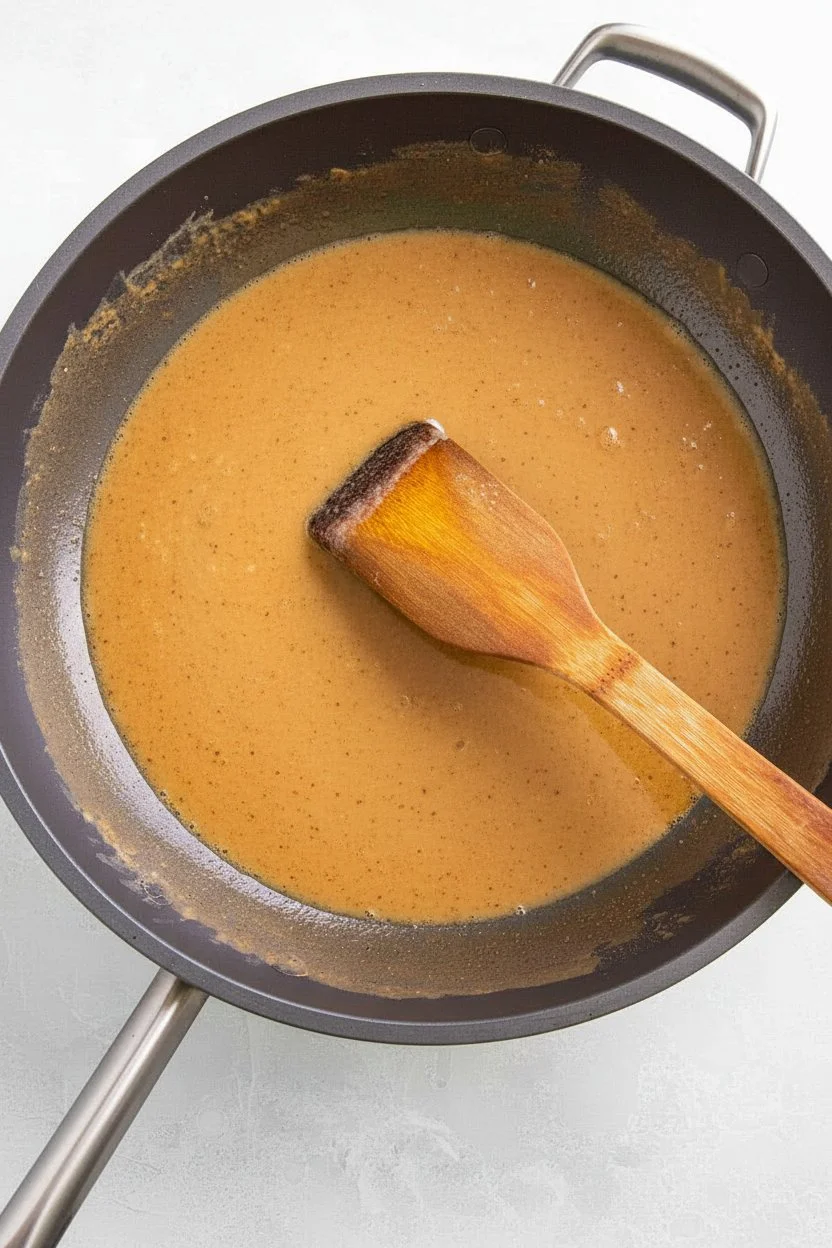
- Add the flour to the melted butter and stir to make a roux, continuing to stir for about 5 minutes until it reaches a copper color—remember, don’t let it burn!
- Introduce the onion, chopped peppers, celery, and garlic. Stir and cook for about 5 minutes, allowing the vegetables to soften.
- Stir in the Cajun seasonings, cayenne pepper, salt, and pepper to taste, then add your stock.
- Reduce the heat and let the mixture simmer for about 20 minutes, stirring occasionally to let the flavors meld beautifully.
- Add the crawfish tails, warming them through without overcooking.
- Remove from heat and stir in the fresh parsley.
- Serve over a bed of white rice, garnished with extra parsley and spicy chili flakes. Don’t forget a splash of hot sauce to kick it up a notch!
Common Mistakes to Avoid
- Burning the roux: Keep stirring and ensure you are at the right temperature; patience is essential.
- Overcooking the crawfish: They just need to warm through, as they are already cooked.
- Not tasting as you go: Adjusting seasonings throughout cooking ensures maximum flavor.
Pro Tips
- Use fresh crawfish tails if available; they deliver unparalleled flavor.
- Don’t skip on the garnishes; they make the dish visually appealing and enhance flavors.
- Allow your étouffée to sit for at least 10 minutes after cooking for the best flavor infusion.
Serving, Storage & Freezer Tips
How to Serve Crawfish Étouffée
Traditionally served over fluffy white rice, Crawfish Étouffée can also be paired with crusty French bread for sopping up the sauce—an indulgent way to enjoy every bite!
How to Store Crawfish Étouffée
Store any leftovers in an airtight container in the refrigerator for up to 3 days. Reheat gently on the stovetop to maintain flavor and texture.
Can You Freeze Crawfish Étouffée?
Yes, you can freeze Crawfish Étouffée! Let it cool completely, then fill an airtight container or freezer bag. It can last up to 3 months in the freezer. Thaw overnight in the refrigerator before reheating.
Every time I experience Crawfish Étouffée, it brings me back to my roots—laughter echoing around the kitchen, heartfelt conversations weaving through the aroma of slow-cooked love. Cooking this dish allows me to relive those moments, one bite at a time.
FAQ SECTION
What can I substitute for crawfish in étouffée? If crawfish isn’t available, shrimp or chicken make excellent substitutes, providing similar flavors and texture.
Can I make étouffée vegetarian? Absolutely! Simply replace the crawfish with mushrooms or jackfruit, and use vegetable stock instead of chicken or seafood stock.
How spicy is Crawfish Étouffée? The spice level depends on the seasonings you use. Feel free to adjust the Cajun seasoning and cayenne pepper to cater to your taste preference.
How can I make my étouffée creamier? For creamier étouffée, you can add a splash of heavy cream or use full-fat coconut milk as a substitute.
Conclusion
Crawfish Étouffée isn’t merely a meal; it’s a bridge to our past and a celebration of connection through food. It embodies the spirit of southern cooking, where each dish tells a story. If this recipe reminds you of someone you love, share it with them. Your memories keep recipes alive, and with every bite, we honor our histories and the flavors that shaped us.
Crawfish Étouffée
Ingredients
Method
- Heat a large pan or pot over medium heat and melt the butter.
- Add the flour to the melted butter and stir to make a roux, cooking for about 5 minutes until it reaches a copper color.
- Introduce the onion, chopped peppers, celery, and garlic. Stir and cook for about 5 minutes until the vegetables soften.
- Stir in the Cajun seasonings, cayenne pepper, salt, and pepper to taste, then add your stock.
- Reduce the heat and let the mixture simmer for about 20 minutes, stirring occasionally.
- Add the crawfish tails, warming them through without overcooking.
- Remove from heat and stir in the fresh parsley.
- Serve over a bed of white rice, garnished with extra parsley and spicy chili flakes. Don’t forget a splash of hot sauce!