
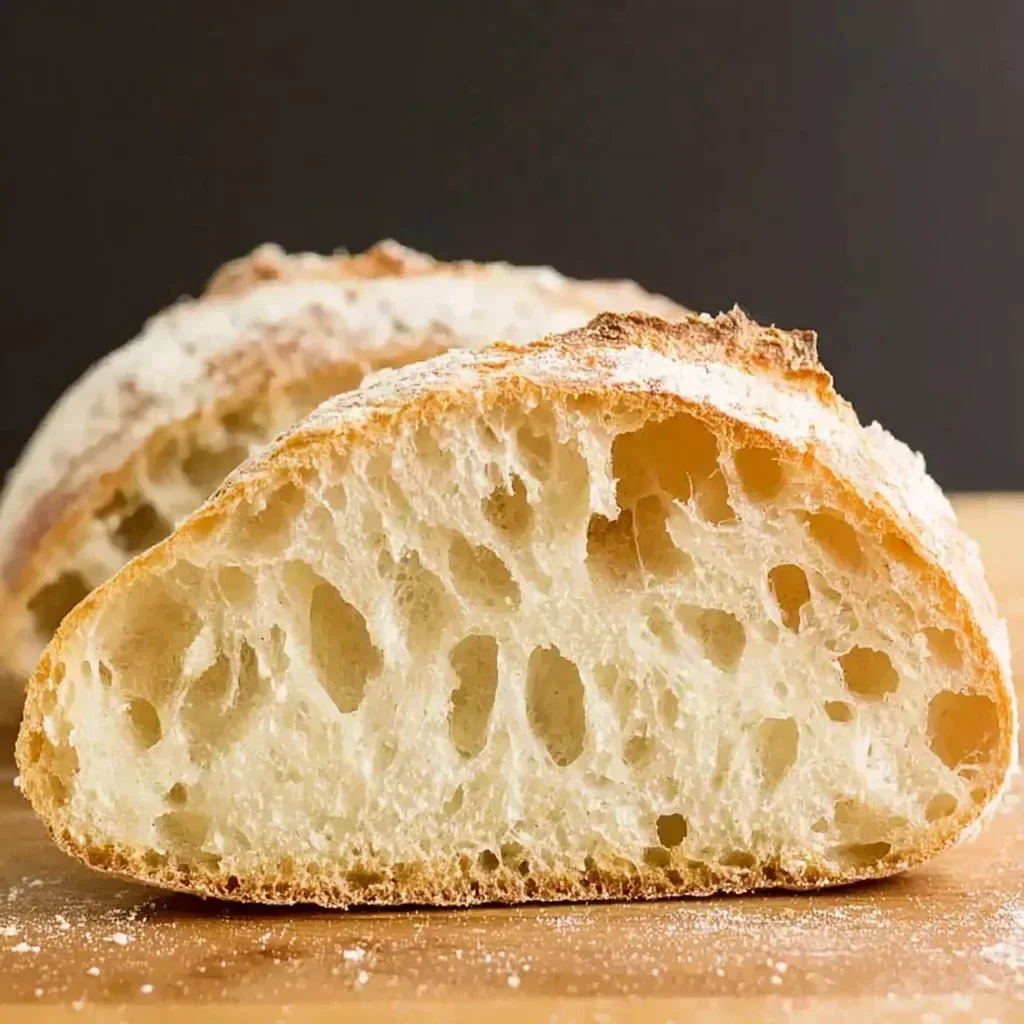
Imagine coming home after a long day to the mouthwatering aroma of freshly baked bread wafting through your kitchen. It’s that warm, inviting scent that dances in the air and instantly transports you to a cozy Italian café. Whether it’s for a special occasion or just a quiet evening at home, making your own Homemade Ciabatta Bread not only satiates your hunger but also satisfies the soul. The process may seem daunting at first, but with a little patience and the right guidance, you will unleash your inner baker and create a crusty, airy loaf that will impress everyone at the dinner table.
The Kitchen Frustration We All Face
Many of us have encountered the disheartening experience of biting into a store-bought loaf of bread only to be met with the dry, crumbly texture that leaves you longing for something more. I remember one chilly autumn day when I tried to make a simple sandwich for lunch. My bread was stale, and I felt defeated. That moment ignited my quest to learn how to bake my own bread—especially ciabatta, with its glorious crust and chewy inside.
Baking can be intimidating if you’re not equipped with the right tips and tricks. I started small, experimenting with various breads, time and time again lured back to the allure of ciabatta. Each failed attempt brought me one step closer to understanding the dough’s intricate dance of yeast, water, and flour. The key was patience and practice.
Now, as I stand in my kitchen, kneading that warm dough, I feel a sense of accomplishment and joy that only homemade cooking can provide. I never fail to share my love for bread-making with friends and family—after all, who could resist a slice of perfectly crusty, homemade ciabatta bread?
If you’re looking for an easy way to embrace this experience, slide on over to our guide on how to make your own bread and learn how to get started on this rewarding journey.
Why Homemade Ciabatta Bread is Totally Worth It
Homemade Ciabatta Bread works so well because it combines basic yet high-quality ingredients that come alive under your careful hands. Each ingredient plays a vital role in creating the signature holes and texture we all love. You’ll find that with each bake, you develop a deeper understanding of camaraderie between flour and water, yeast and salt, creating a love for the process itself.
Quick Answer: The secret to perfect Homemade Ciabatta Bread is allowing the dough to rise slowly, developing a complex flavor and airy texture.
When your dough rises, it’s not just about volume—it’s about flavor. Slow fermentation magnifies the taste, leading to a delightful loaf that encapsulates their essence in every bite. This ciabatta recipe highlights how these simple ingredients harmonize under your care to create a piece of culinary magic.
If you’re curious about other bread styles, explore our Focaccia Bread recipe. You’ll discover how different techniques can alter flavors and textures, bringing variety to your baking repertoire.
Ingredients, Substitutions & Foolproof Steps
Before you get started, let’s gather our ingredients. Here’s what you’ll need to crush it:
- 1 ½ cups bread flour — Provides structure; all-purpose flour works too, but the result won’t be as chewy.
- 1 scant cup water (room temperature) — Activates the yeast; warm water can accelerate the process.
- ¼ teaspoon instant yeast — Speeds up fermentation; fresh yeast can be used as well.
- 2 ⅔ cups bread flour — Adds strength; replace some with whole wheat for added flavor.
- 1 cup water (room temperature) — Crucial moisture; adjust based on dough consistency.
- 2 teaspoons salt — Enhances flavor and controls fermentation.
- ½ teaspoon instant yeast — A secondary kick for the dough; active dry yeast can be substituted.
Directions:
- Make the poolish: Combine the 1 ½ cups bread flour and 1 scant cup of water with ¼ teaspoon yeast. Stir until well-mixed, and cover for 12-16 hours.
- Make the dough: In a large bowl, mix the pooled mixture, 2 ⅔ cups bread flour, 1 cup water, 2 teaspoons salt, and ½ teaspoon yeast. Knead until smooth, about 10-15 minutes.
Common Mistakes to Avoid
- Over-kneading — Don’t overdo it; the dough should be stretchy but not tough.
- Not letting it rise long enough — Patience is key; let it double in size for best results.
Pro Tips
- Use a kitchen scale for precise measurements.
- Don’t be afraid to use your hands; get messy for the best texture.
Nutrition Highlights Table:
NutrientPer Serving Protein7g Carbs12g Fat6g Check out our delicious Cinnamon Roll Cheesecake recipe for a sweet treat to accompany your bread.
Serving, Storage & Freezing Tips
How to Serve Homemade Ciabatta Bread
Your ciabatta bread makes an excellent base for sandwiches or can be enjoyed simply with olive oil for dipping. For a cozy evening, serve it with a hearty soup or a fresh salad to complement its rustic appeal.
How to Store Homemade Ciabatta Bread
To retain its freshness, wrap the cooled ciabatta in a clean cloth or paper bag. Avoid plastic bags, as they can create moisture, causing the crust to soften. It can last for about 2 days at room temperature.
Can You Freeze Homemade Ciabatta Bread?
Absolutely! Slice the bread and wrap it tightly in plastic wrap before placing it in an airtight bag. This allows you to enjoy warm, toasted slices whenever the craving strikes.
Baking often brings to mind those heartwarming memories of coming home to the scent of bread. It reminds us of family gatherings, shared meals, and laughter—a legacy worth preserving.
FAQ
What is the ideal baking temperature for ciabatta bread?
The ideal temperature for baking ciabatta is between 450°F to 475°F (230°C to 246°C). You want a hot oven to create that perfect crust.
Why is my ciabatta bread dense instead of airy?
If your ciabatta turns out dense, it might be due to insufficient kneading or rising. Make sure you allow it to rise until it’s doubled in size for optimal texture.
Can I use regular all-purpose flour instead of bread flour?
While you can use all-purpose flour, bread flour’s higher protein content contributes to a chewier texture, giving you that authentic ciabatta feel.
How can I add flavor to my ciabatta bread?
You can enrich your ciabatta with herbs, garlic, or olives. Simply knead those ingredients into the dough as you mix.
Conclusion
Baking your own Homemade Ciabatta Bread can be an incredibly fulfilling experience, turning simple ingredients into something that warms the heart. Every loaf tells a story, as do we. If this recipe reminds you of someone you love, share it with them. Your memories keep recipes alive.
You May Also Like:
- Sweet and Sour Mix: Ultimate Guide to Cocktails
- Homemade Alfredo Sauce Recipe
- Pumpkin Cream Cheese Bread
Ciabatta Bread
Ingredients
Method
- Make the poolish: Combine the 1 ½ cups bread flour and 1 scant cup of water with ¼ teaspoon yeast. Stir until well-mixed, and cover for 12-16 hours.
- Make the dough: In a large bowl, mix the pooled mixture, 2 ⅔ cups bread flour, 1 cup water, 2 teaspoons salt, and ½ teaspoon yeast. Knead until smooth, about 10-15 minutes.