
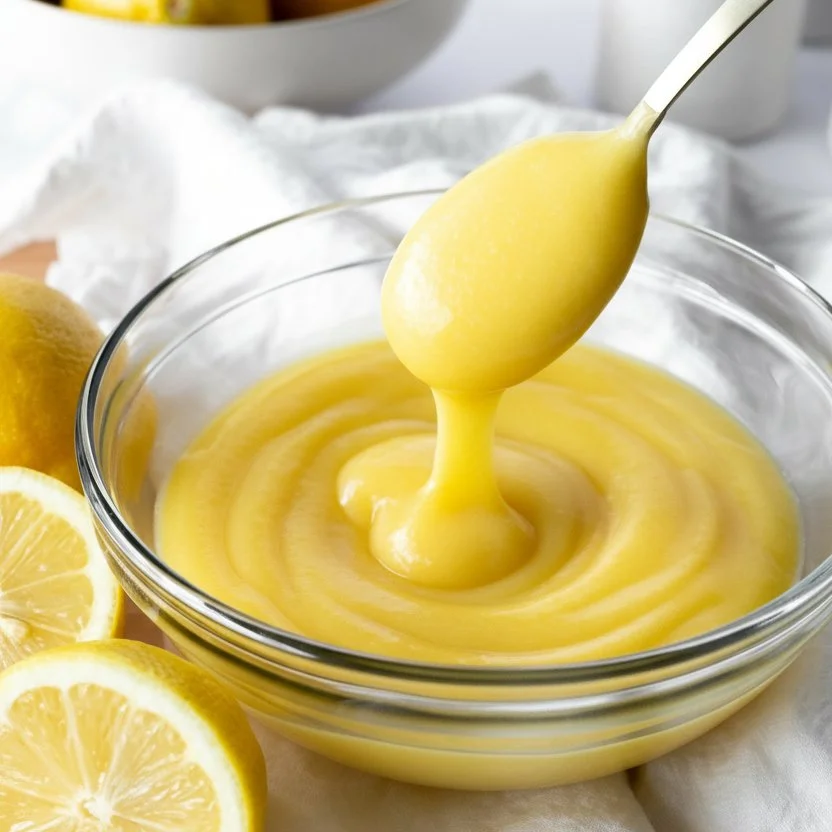
Have you ever experienced that moment of pure bliss when you taste something that instantly transports you back to a sun-drenched afternoon, perhaps enjoying dessert on a patio with friends or family? Lemon curd does just that. It evokes memories of warmth, laughter, and delight, yet many home cooks shy away from making it, intimidated by the process. I get it! The thought of tempering eggs and ensuring the perfect consistency can feel daunting. But imagine being able to whip up a homemade lemon curd that can elevate any dessert, transform breakfast, or shine brightly on a simple afternoon scone.
As someone who has navigated the complexities of many recipes, I, Jacqueline, remember my first attempt at making lemon curd. I was in my tiny kitchen, with lemon zest under my nails and a simmering pot on the stove. My heart raced with a mix of excitement and anxiety. Would it come out? Would it be too runny or too thick? I learned that with patience and a few essential techniques, making lemon curd could be a simple, joyous endeavor.
A Bit About Me
I’ve spent years cultivating a passion for food and cooking, driven by the desire to create moments of connection through shared meals and flavors. I believe that the recipes we cherish not only nourish our bodies but also hold our precious memories. My journey in the kitchen has inspired me to share these meaningful creations, ensuring that everyone can find joy in their cooking.
Trust me when I say: if I can master lemon curd, so can you. It’s all about understanding the ingredients and their purpose. By the end of this article, you’ll find confidence in your ability to craft lemon curd that could compete with the finest patisseries.
Why Lemon Curd Works So Well
Lemon curd’s appeal lies not just in its bright, tangy flavor but also in its versatility. Whether you’re using it as a filling for a luscious tart, a topping for pancakes, or spreading it on toast, lemon curd can brighten even the dullest of dishes. The balance of sweetness and tartness strikes a delightful harmony, making it a crowd-pleaser.
This delicious custard-like spread is simply made from a handful of ingredients. The combination of fresh lemon juice, zest, and yolks creates a smooth texture that melts in your mouth. When properly made, it captures the essence of lemons in all their sunny glory.
Quick Answer:
Quick Answer: The secret to perfect Lemon Curd is tempering the eggs correctly and using cold, salted butter for a rich taste.
Ingredients, Substitutions & Foolproof Steps
To make mouthwatering lemon curd, you’ll need the following ingredients:
- 2 tbsp lemon zest — Adds concentrated lemon flavor; use a microplane for the finest zest.
- ⅔ cup sugar — Sweetens and balances the tartness; feel free to substitute with coconut sugar for a different flavor.
- 6 egg yolks — Provides richness and contributes to the thickening process; do not attempt to replace with whole eggs; they won’t whisk as effectively.
- ⅔ cup lemon juice — The star ingredient that brings vibrant acidity; always opt for fresh juice over bottled.
- 1-2 pinches salt — Enhances flavor; a pinch of sea salt works wonders.
- 8 tbsp cold salted butter, cut into tablespoon-sized pieces — Adds creaminess and richness; for a dairy-free version, try using a vegan butter substitute.
Instructions
- In a medium saucepan, combine the lemon zest and sugar. Use your fingers to rub the zest into the sugar until fragrant, creating a lemony sugar mixture.
- Add the egg yolks and whisk until the mixture is a pale yellow.
- Stir in the lemon juice and salt.
- Cook the mixture over medium heat, stirring constantly until it thickens enough to coat the back of a spoon (about 10 minutes).
- Remove from heat and whisk in the cold butter pieces one at a time, allowing each piece to melt before adding the next.
- Transfer the lemon curd to a clean container and cover with plastic wrap pressed directly on the surface to prevent a skin from forming.
- Cool at room temperature before refrigerating for at least 4 hours.
Common Mistakes to Avoid
- Not zesting enough: Zest is essential for flavor; don’t skip this step.
- Too high heat: Cooking too quickly can scramble the eggs. Be patient!
- Skipping the butter: Butter isn’t just for richness; it also helps create a velvety texture.
Pro Tips
- Always use fresh lemons for the best flavor.
- Don’t rush the cooking process for easier success.
- Make it the night before you need it to let the flavors meld beautifully.
Serving, Storage & Freezer Tips
How to Serve Lemon Curd
Lemon curd can be spread on scones, used as a filling for cakes and pastries, or simply enjoyed on toast or pancakes. The options are endless! For an elegant dessert, layer it with whipped cream and fresh berries in a glass, creating a lovely parfait.
How to Store Lemon Curd
Store your homemade lemon curd in an airtight container in the refrigerator for up to two weeks. Always ensure the surface is covered to maintain its creamy texture and prevent drying.
Can You Freeze Lemon Curd?
Yes, you can freeze lemon curd! Use a freezer-safe container, leaving about an inch of space for expansion. It can be stored in the freezer for up to 3 months. Thaw in the refrigerator overnight before using.
A Personal Reflection
Every time I prepare lemon curd, I’m reminded of sunlit days, the sweet laughter of children, and classic family gatherings filled with hugs and love. Even a simple spoonful can evoke these cherished memories, weaving nostalgia and connection through the fabric of shared meals.
FAQ SECTION
- Can I use bottled lemon juice for lemon curd? Freshly squeezed lemon juice provides the zest and brightness that bottled juice can’t replicate; it’s worth the extra effort!
- Can I replace the sugar with a non-sugar alternative? Absolutely! You may use honey or a granulated sweetener like stevia as substitutes. Just bear in mind that flavors may vary slightly.
- What should I do if my lemon curd is too runny? If it doesn’t thicken during cooking, return it to low heat and stir until it reaches the right consistency.
- How can I use leftover lemon curd? Try it as a topping for yogurt, incorporate it into cakes, or use it as a filling for muffins or cupcakes.
CONCLUSION
In conclusion, making homemade lemon curd is a journey worth embarking on. The vibrant flavor and creamy texture can brighten your desserts and warm your heart. With a little practice, you’ll master this delightful concoction and create lasting memories in the kitchen. The joy of lemon curd extends beyond mere taste; it’s about connection, nostalgia, and love. If this recipe reminds you of someone you love, share it with them. Your memories keep recipes alive.
Lemon Curd
Ingredients
Method
- In a medium saucepan, combine the lemon zest and sugar. Use your fingers to rub the zest into the sugar until fragrant.
- Add the egg yolks and whisk until the mixture is a pale yellow.
- Stir in the lemon juice and salt.
- Cook the mixture over medium heat, stirring constantly until it thickens enough to coat the back of a spoon (about 10 minutes).
- Remove from heat and whisk in the cold butter pieces one at a time, allowing each piece to melt before adding the next.
- Transfer the lemon curd to a clean container, cover with plastic wrap pressed directly on the surface, and cool at room temperature before refrigerating for at least 4 hours.