
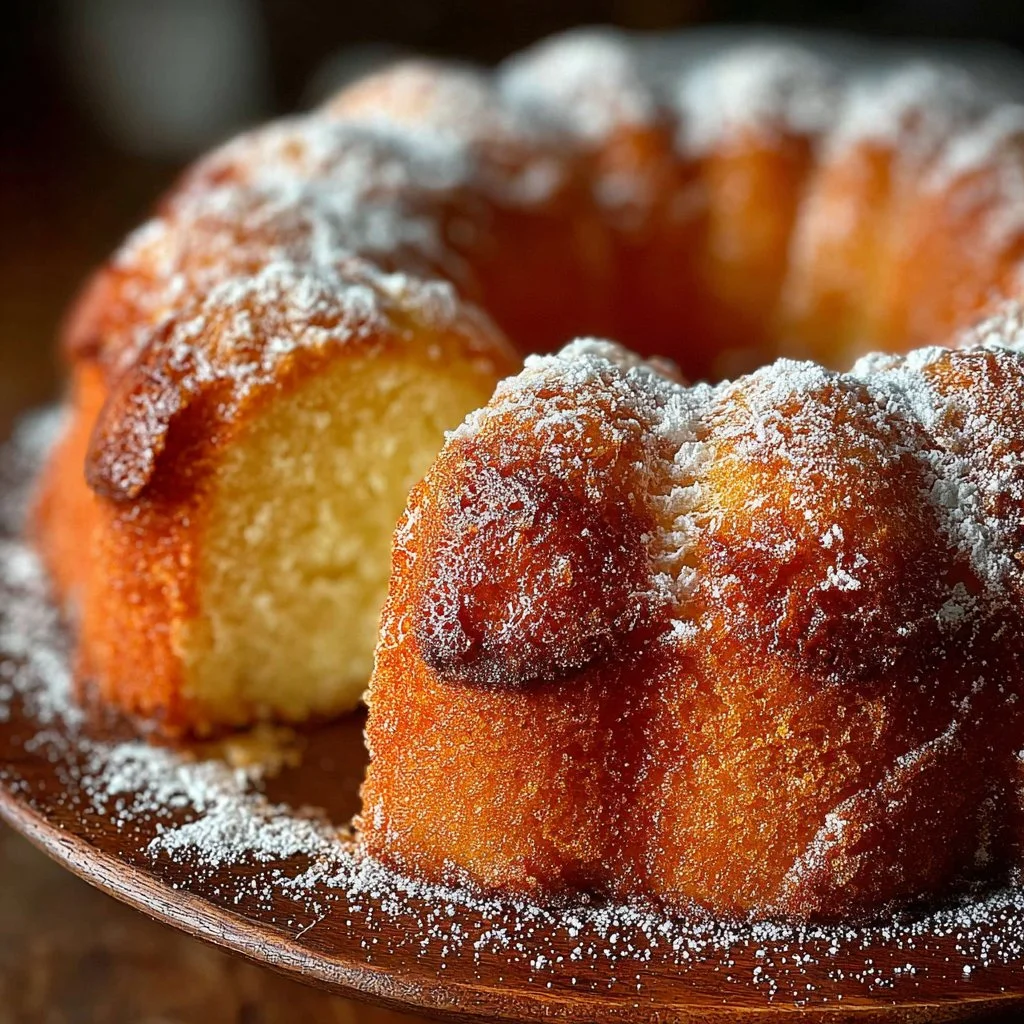
Have you ever pulled a baked good from the oven only to find that it lacks the tenderness, flavor, or moisture you envisioned? It’s a familiar frustration for many home bakers. The promise of a cake that’s soft, buttery, and utterly delicious can feel like a distant dream, especially when recipes fail to deliver. But let me take you on a journey, one that leads to the heartwarming and comforting embrace of Kentucky Butter Cake.
Growing up in a household where the kitchen was always filled with the sweet scents of baked goods, I learned early on that baking is an emotional art. My grandmother had a special knack for creating treats that not only tasted divine but also felt like a warm hug. Kentucky Butter Cake was one of her signature recipes. It had a reputation for being rich and flavorful, with a moist texture that left everyone wanting more. We shared slices at family gatherings, and each bite was a reminder of the love and laughter that accompanied it. It’s more than just a dessert; it’s a slice of nostalgia, a taste of home.
In this article, we’ll delve into the secrets that make Kentucky Butter Cake a timeless favorite. You’ll discover how to execute this beloved recipe flawlessly, ensuring that your kitchen is filled with heavenly aromas and fond memories.
Why Kentucky Butter Cake Works So Well
Kentucky Butter Cake is unique in its ability to blend simplicity with extraordinary flavor. The richness of the butter, combined with the sweetness of sugar and the tangy allure of buttermilk, creates a cake that is both comforting and sophisticated. When you take that first bite, you’re met with a delightful combination of buttery goodness and sugary glaze that seeps into the cake, leaving you with an unforgettable experience.
Quick Answer: The secret to perfect Kentucky Butter Cake is using room-temperature butter for the right texture combined with a luscious glaze that seeps into every slice.
The magic lies not just in the ingredients but also in the technique. Poking holes in the warm cake allows the buttery glaze to penetrate, ensuring every bite is moist and decadent. This cake thrives on patience; allowing it to rest overnight improves its flavor, making the waiting truly worth it.
Ingredients, Substitutions & Foolproof Steps
Let’s dive into the ingredients that make this cake an absolute showstopper:
- 1 cup butter (cubed, at room temperature) — Provides the cake with a rich, creamy base. For a lighter option, you can substitute with equal parts unsweetened applesauce.
- 2 cups granulated sugar — Sweetens the cake harmoniously; you can use coconut sugar for a lower glycemic option.
- 4 large eggs — Essential for structure; if you’re looking for a vegan alternative, use flax eggs (1 tablespoon ground flaxseed mixed with 2.5 tablespoons water per egg).
- 1 tablespoon vanilla extract — Adds depth of flavor; feel free to use almond extract for an extra twist.
- 3 cups all-purpose flour — Forms the cake’s structure. For gluten-free, substitute with a 1:1 gluten-free flour blend.
- 1 teaspoon kosher salt — Balances the sweetness; table salt works as a substitute but use it sparingly.
- 1 teaspoon baking powder — Helps the cake rise; ensure it’s fresh for the best results.
- 1/2 teaspoon baking soda — Aids in the cake’s fluffy texture; use cream of tartar if baking soda isn’t available.
- 1 cup buttermilk — Contributes to moisture and tang; plain yogurt mixed with water can be an effective substitute.
- 1/3 cup butter (for the glaze) — Complements the sugar for a rich finish; margarine can work in a pinch.
- 3/4 cup granulated sugar (for the glaze) — Sweetens the glaze; brown sugar can be used for a deeper flavor.
- 2 tablespoons water — Helps dissolve and enhance the glaze.
- 2 teaspoons vanilla extract (for the glaze) — Ties the flavors together; almond extract is a tasty alternative.
Directions / Steps:
- Preheat your oven to 325°F (165°C). Grease a 10-inch bundt pan very liberally with butter or shortening, dusting it with flour to prevent sticking.
- Place all the cake ingredients into the bowl of a stand mixer fitted with the paddle attachment. Mix on low speed for 30 seconds, then increase to medium speed for about 3 minutes, until fully combined and smooth.
- Pour the batter into the prepared bundt pan and bake for 65-75 minutes, or until a toothpick inserted in the center comes out clean.
- While the cake is baking, prepare the glaze by combining the butter, sugar, water, and vanilla in a small saucepan. Heat over medium-low, stirring continuously until the butter melts and the sugar dissolves. Do not allow it to boil.
- Once the cake is baked, remove it from the oven and poke holes all over the surface using a knife. Pour the glaze evenly onto the warm cake while it’s still in the pan, allowing it to soak in.
- Let the cake cool completely in the pan before inverting it onto a serving plate.
- For an added treat, make the cake a day in advance; it becomes more moist and flavorful as it rests overnight.
Common Mistakes to Avoid
- Not using room-temperature ingredients: This can lead to a dense cake.
- Overmixing: Mixing too long can make the cake tough; just blend until combined.
- Skipping the glaze: This is what makes the cake truly amazing, so don’t leave it out!
Pro Tips
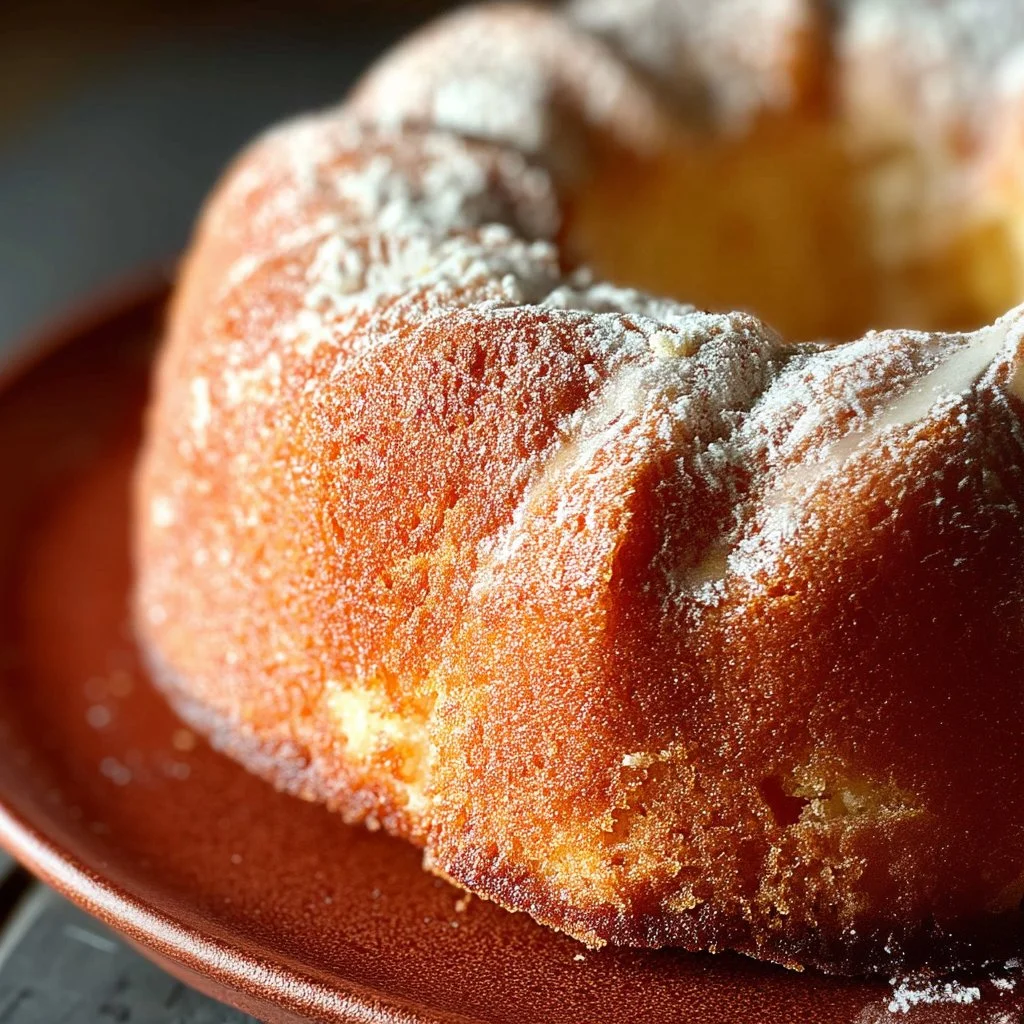
- For a decorative finish, dust the cooled cake with powdered sugar before serving.
- Experiment with flavors by adding lemon zest or cardamom to the batter.
- Keep an eye on the cake in the oven; if it starts browning too quickly, cover it with foil.
How to Serve Kentucky Butter Cake
Serve warm or at room temperature, either plain or topped with fresh berries and whipped cream. Make it an indulgent dessert by pairing it with a scoop of vanilla ice cream.
How to Store Kentucky Butter Cake
Store leftover cake in an airtight container at room temperature for up to 3 days. If the climate is more humid, refrigerating it can help maintain freshness.
Can You Freeze Kentucky Butter Cake?
Yes, you can freeze Kentucky Butter Cake! Wrap it tightly in plastic wrap and place it in an airtight container. It can be frozen for up to 3 months. Thaw it overnight in the refrigerator before serving.
FAQ Section
1. Can I use a different type of pan? Yes, while a bundt pan is traditional, you can also use two 9-inch round cake pans. Just be mindful of baking times.
2. What if I don’t have buttermilk? You can make a quick substitute by adding 1 tablespoon of vinegar or lemon juice to a cup of milk, letting it sit for about 5 minutes.
3. Can I make this cake ahead of time? Absolutely! This cake tastes even better after resting, so feel free to make it a day in advance.
4. Is Kentucky Butter Cake supposed to be dense? Yes, this cake is meant to be rich and slightly dense yet moist. The butter and buttermilk contribute to this delightful texture.
Conclusion
Kentucky Butter Cake is more than just a recipe; it’s a cherished tradition that brings families together. Every bite is a reminder of home, comfort, and love. If this Kentucky Butter Cake recipe stirs up memories of someone you hold dear, share it with them. Your memories keep recipes alive, passing down the love that’s baked into every bite.
Kentucky Butter Cake
Ingredients
Method
- Preheat your oven to 325°F (165°C). Grease a 10-inch bundt pan liberally with butter or shortening, and dust it with flour to prevent sticking.
- Place all the cake ingredients into a stand mixer bowl fitted with the paddle attachment. Mix on low for 30 seconds, then increase to medium speed for about 3 minutes until fully combined and smooth.
- Pour the batter into the prepared bundt pan and bake for 65-75 minutes, or until a toothpick inserted in the center comes out clean.
- While the cake is baking, prepare the glaze by combining the butter, sugar, water, and vanilla in a saucepan. Heat over medium-low, stirring until the butter melts and the sugar dissolves; do not let it boil.
- Once the cake is baked, remove it from the oven and poke holes all over the surface using a knife.
- Pour the glaze evenly onto the warm cake while still in the pan, allowing it to soak in.
- Let the cake cool completely in the pan before inverting it onto a serving plate.