
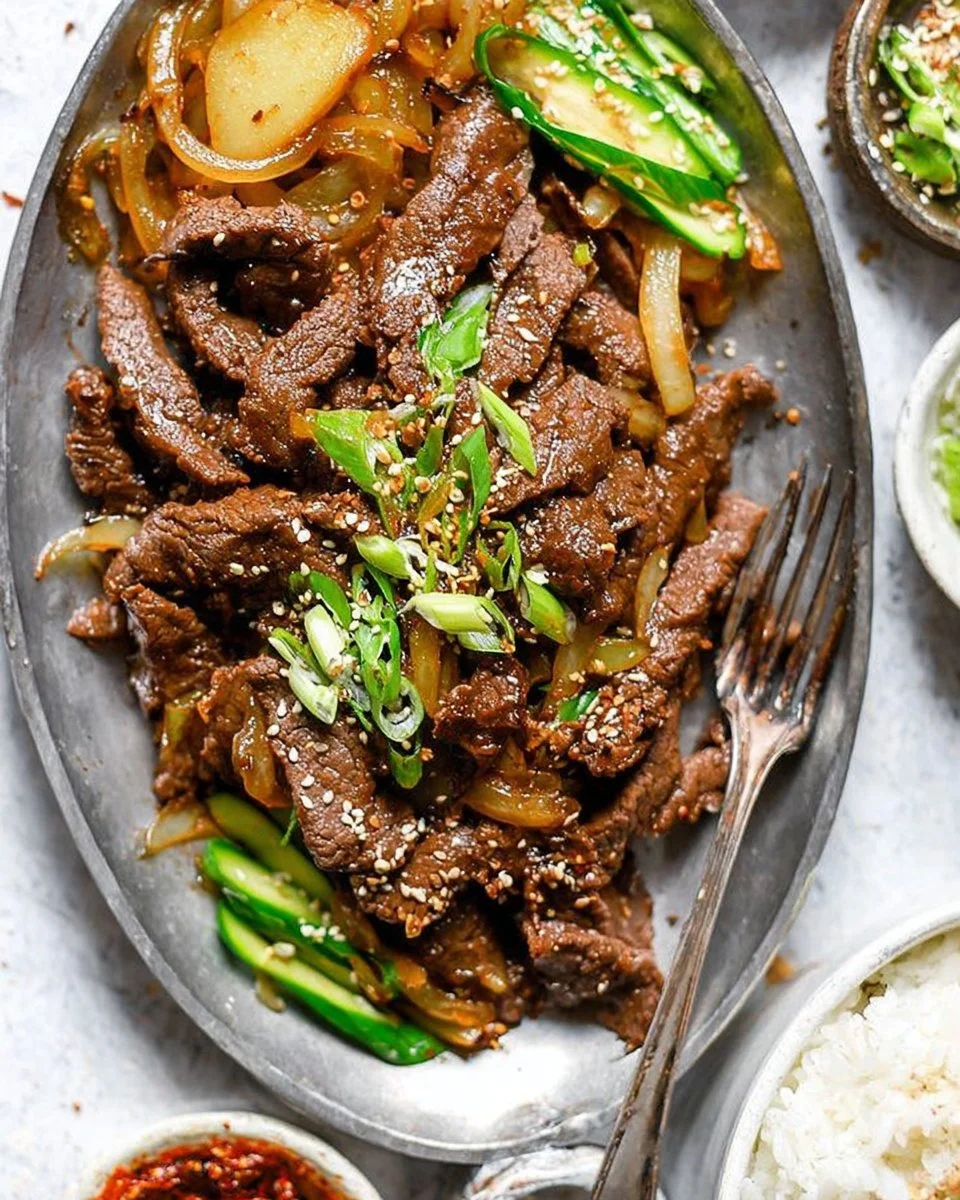
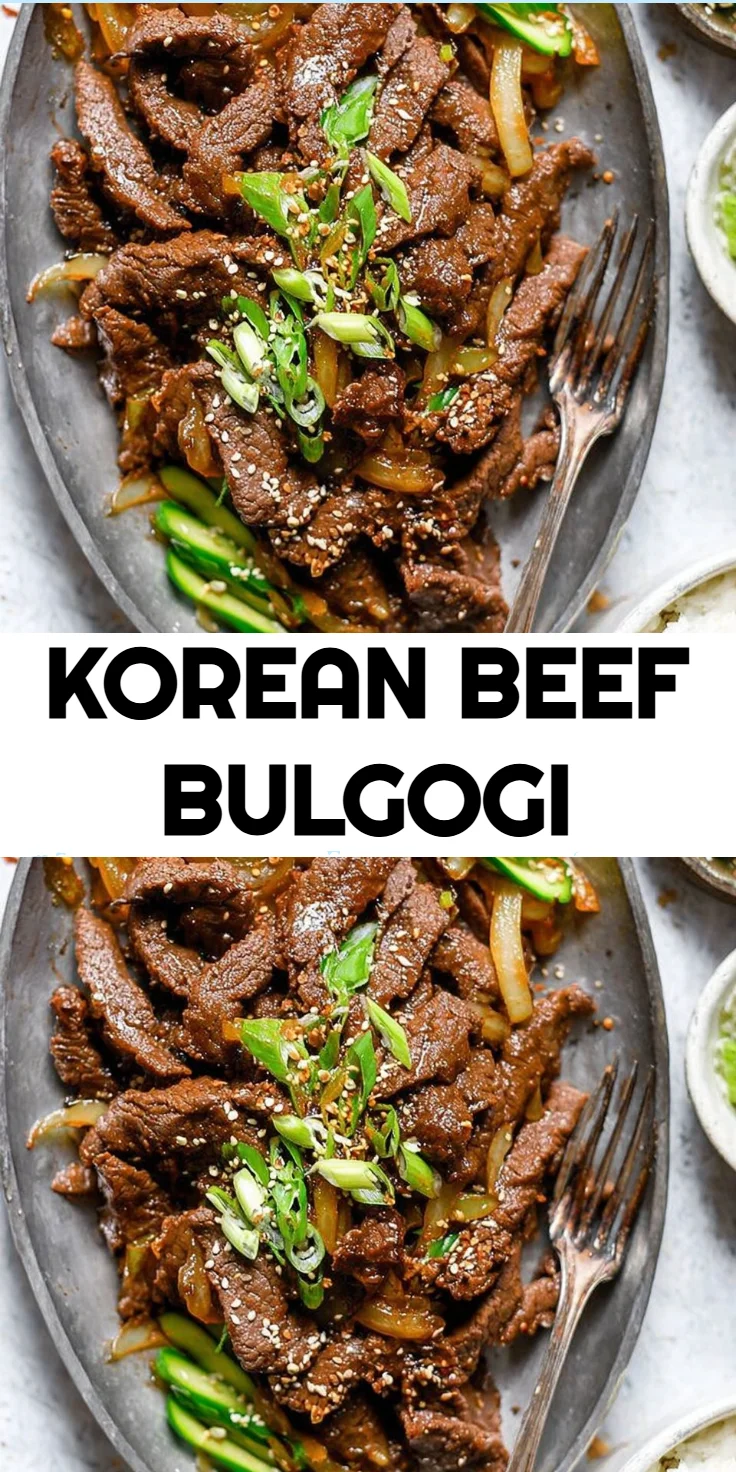
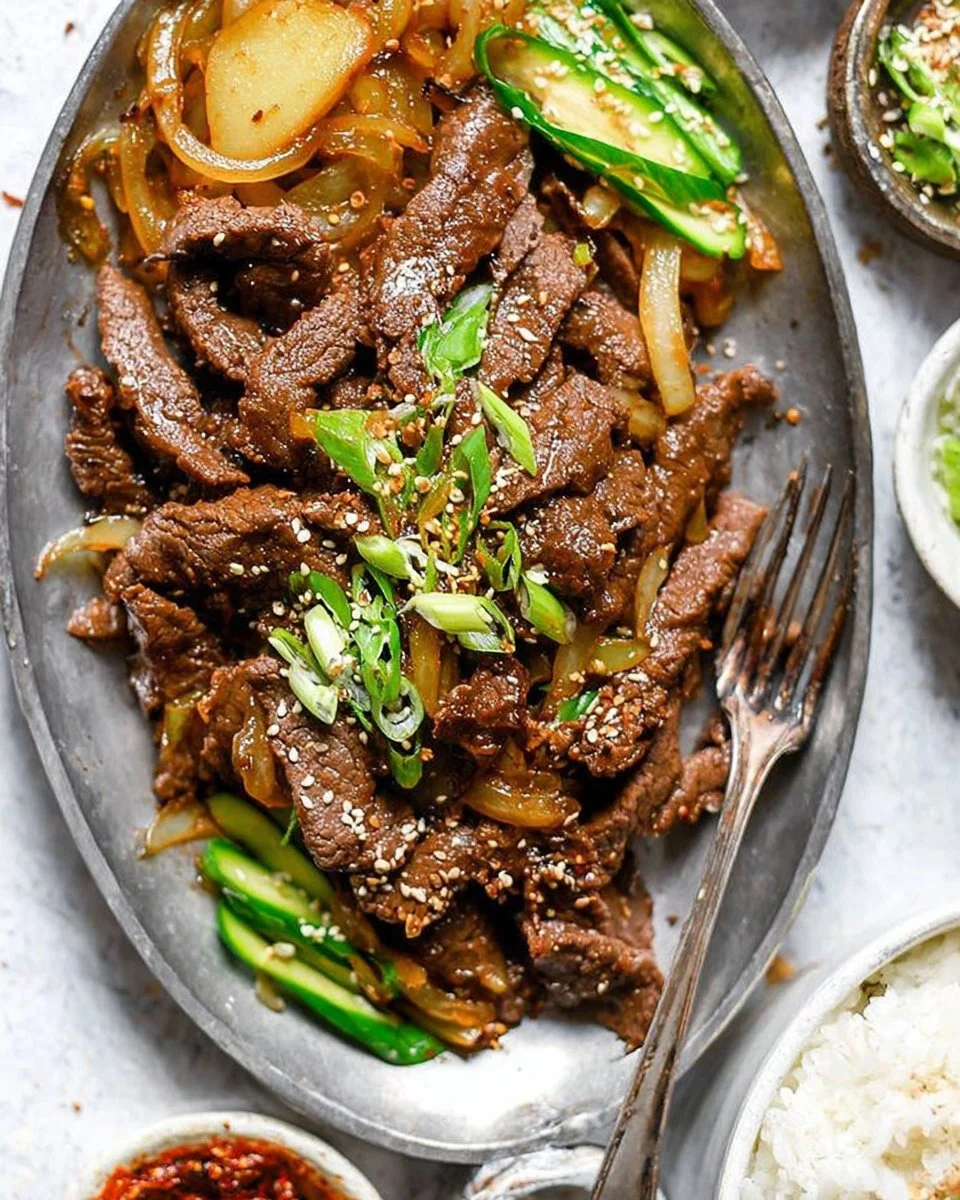
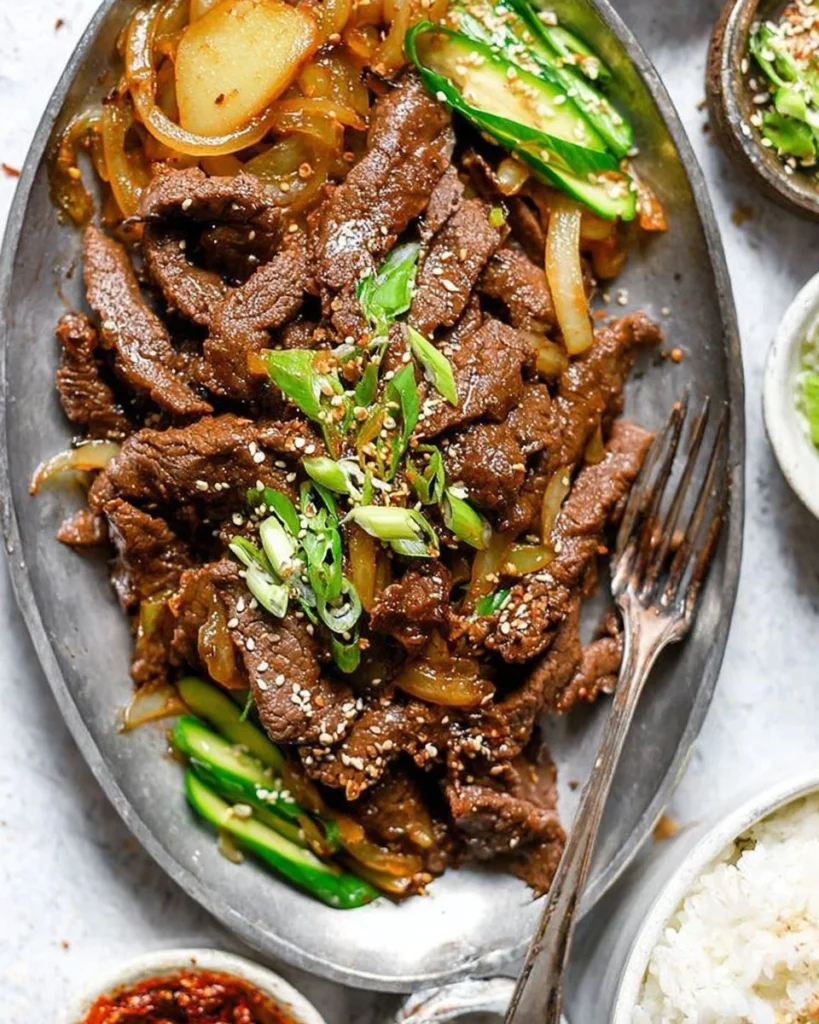
Korean Beef Bulgogi is more than just a meal; it’s a journey into savory, marinated perfection that warms the heart and satisfies the palate. If you’ve ever experienced cooking fatigue or the pressure of sticking to your meal plan while finding something nutritious to serve the family, this protein-packed dish is your answer. With its tender, marinated beef and a blend of flavor-packed ingredients, it solves the dilemma of what to put on the table for dinner, all while being budget-friendly and a delight for the senses.
Kitchen Frustration That Makes This Recipe a Lifesaver
In today’s fast-paced world, preparing meals can often become a chore rather than a joy. There are days when cooking feels overwhelming, and the search for something different to feed the family begins to feel like a daunting task. Korean Beef Bulgogi is a delightful solution. With its simple preparation and fresh ingredients, it transforms the routine of meal prep into an exciting culinary adventure.
This dish harkens back to nostalgic memories in Korean households where families gathered around sizzling plates of bulgogi. Its rich flavors and aromatic profile create an inviting atmosphere, transporting you to a comforting space at the dinner table. This recipe is especially perfect for satisfying both the kids’ longing for something tasty and the parents’ health-conscious ideals.
One practical tip I encourage is to embrace this bulgogi as a versatile main dish. You can easily modify the ingredients to suit your nutrition goals, ensuring that each meal is not only delicious but also supports your health-conscious decisions without breaking the bank.
Why This Korean Beef Bulgogi Works So Well
Quick Answer: Korean Beef Bulgogi features tender beef, a balance of sweet and savory flavors, and is quick to prepare, making it a perfect solution for busy weeknights.
The magic of Korean Beef Bulgogi lies in its ability to combine rich flavor with a tender texture that the whole family will love. The marinated flat iron steak results in juicy pieces that are quick-cooked to enhance their natural flavor.
Not only is it a time-saving dish—rendering dinner ready in just a few minutes—but it’s also health-conscious with ingredients that offer a wealth of nutrients. The addition of an Asian pear provides a subtle sweetness that enhances the flavor profile, making each bite a delightful experience. Furthermore, the serving of this dish with fresh white rice not only elevates the dish but also helps in portion control, making it easier for those looking to stay within their calorie-conscious goals.
Ingredients, Substitutions & Foolproof Tips
- 1 ½ pound flat iron steak: Tender and flavorful; key to achieving that perfect bulgogi texture.
- 1 onion, peeled, quartered and sliced: Adds sweetness and depth; you can substitute with shallots for a milder taste.
- 1 Asian pear, peeled, cored and chopped: Provides natural sweetness; a regular pear or apple can work in a pinch.
- 1 small shallot, chopped: Enhances flavor; if unavailable, use more onion.
- 3 cloves garlic, chopped: Essential for aromatic richness.
- 1 tablespoon grated fresh ginger: Adds a zesty kick.
- 2 tablespoons soy sauce: Brings salty umami flavor; low-sodium versions are available for a healthier option.
- 1 tablespoon roasted sesame oil: Delivers a nutty fragrance; regular sesame oil is a fine substitute.
- 1 tablespoon sugar: Balances flavors; consider using honey or a sugar substitute for a healthier option.
- 1 tablespoon gochujang (Korean hot pepper paste): Adds heat; if unavailable, Sriracha can be a substitute.
- 1 teaspoon freshly ground black pepper: For seasoning.
- 1 tablespoon canola or vegetable oil: For cooking; olive oil can be used lightly.
- 2 green onions, chopped: For garnishing and added freshness.
- Sesame seeds, for serving: Provides a delightful crunch.
- White rice, for serving: Complements the dish and helps with portion control.
Step-by-Step Directions
- Wrap and Freeze the Steak: Wrap the flat iron steak in plastic wrap and freeze for 1-2 hours to firm up, making it easier to slice thinly.
- Slice the Beef: Thinly slice the flat iron steak against the grain into about 1/8-inch slices. Place the beef and chopped onion in a gallon freezer bag or a large bowl and set aside.
- Prepare the Marinade: In a food processor, combine the Asian pear, shallot, garlic, and grated ginger until smooth. Add the soy sauce, sesame oil, sugar, gochujang, and black pepper, and pulse until combined. Pour into the gallon freezer bag or large bowl with the steak and onions and mix to combine. Refrigerate for 30 minutes up to overnight.
- Heat the Pan: When ready to cook, preheat a cast-iron pan or large skillet over high heat and then add the oil.
- Cook the Meat: Add the meat, onions, and marinade to the pan. Cook, stirring constantly, until the meat begins to brown and caramelize and the onions are cooked through, about 4-5 minutes.
- Garnish & Serve: Garnish with chopped green onion and sesame seeds. Serve with rice, kimchi, Korean pickled cucumbers, and Korean glazed potatoes for a complete meal.
Common Mistakes to Avoid & Pro Tips
- Cutting Against the Grain: Always slice the steak against the grain for tender bites.
- Marinating Too Long: Over-marinating can cause the meat to become mushy.
- High Heat Cooking: Ensure the pan is adequately preheated to avoid steaming the meat.
Pro Tips:
- For added flavor, try mixing in a splash of rice wine vinegar to the marinade.
- Use a cast-iron skillet for better heat retention and sharrow caramelization.
Serving, Storage & Freezer Guide
How to Serve Korean Beef Bulgogi
Korean Beef Bulgogi is best served hot right from the skillet. Pair it with steaming white rice to help soak up the savory juices. For an authentic experience, add sides of kimchi, pickled cucumbers, and Korean glazed potatoes, creating a colorful and appetizing spread that appeals to all ages.
How to Store Korean Beef Bulgogi
If you have leftovers, allow the bulgogi to cool to room temperature before transferring it to an airtight container. It can be stored in the refrigerator for up to 3 days without losing its delightful flavor. Reheat thoroughly before serving.
Can You Freeze Korean Beef Bulgogi?
Yes, you can freeze Korean Beef Bulgogi! Place cooled leftovers in a freezer-safe container, and it can last for about 2-3 months in the freezer. Thaw in the refrigerator overnight before reheating on the stovetop for best results.
Frequently Asked Questions
What cut of beef is best for bulgogi?
The flat iron steak is ideal due to its tenderness and flavor. You can also use ribeye or sirloin if preferred.
How spicy is bulgogi?
The spice level can be adjusted by varying the amount of gochujang to suit your family’s taste preferences.
Can I add vegetables to this dish?
Absolutely! Bell peppers, mushrooms, or carrots can enhance the texture and nutritional value.
What should I serve with bulgogi?
Serving bulgogi with white rice, kimchi, and pickled vegetables will create a balanced and flavorful meal.
Conclusion
Korean Beef Bulgogi serves as a delicious remedy for busy weeknights and a comforting dish that reconnects us with cherished memories. Its simple preparation, rich flavors, and health-conscious appeal make it a go-to recipe for families. If this recipe reminds you of someone you love, share it with them. Your memories keep recipes alive.
Korean Beef Bulgogi
Ingredients
Method
- Wrap the flat iron steak in plastic wrap and freeze for 1-2 hours to firm up, making it easier to slice thinly.
- Thinly slice the flat iron steak against the grain into about 1/8-inch slices. Place the beef and chopped onion in a gallon freezer bag or a large bowl and set aside.
- In a food processor, combine the Asian pear, shallot, garlic, and grated ginger until smooth. Add the soy sauce, sesame oil, sugar, gochujang, and black pepper, and pulse until combined. Pour into the gallon freezer bag or large bowl with the steak and onions and mix to combine. Refrigerate for 30 minutes up to overnight.
- When ready to cook, preheat a cast-iron pan or large skillet over high heat and then add the oil.
- Add the meat, onions, and marinade to the pan. Cook, stirring constantly, until the meat begins to brown and caramelize and the onions are cooked through, about 4-5 minutes.
- Garnish with chopped green onion and sesame seeds. Serve with rice, kimchi, Korean pickled cucumbers, and Korean glazed potatoes for a complete meal.