
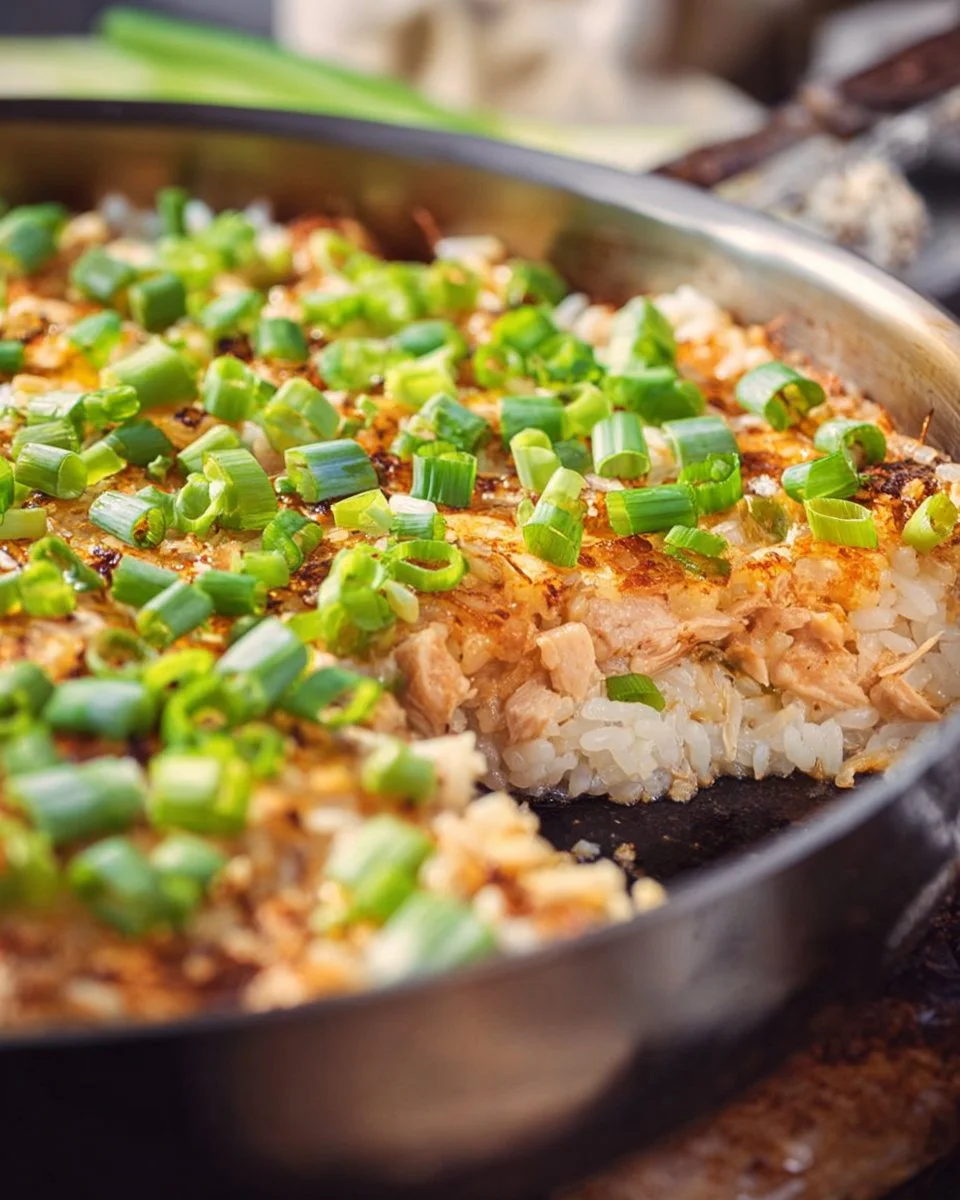
There are moments in life that leave you feeling a bit adrift, a bit disconnected. Maybe it’s a long day at work, or you just can’t seem to find that heartwarming family connection—sometimes, all you want is the taste of home. Cooking is one way to bridge that gap, and nothing brings me back like a Salmon Sushi Bake. This dish, with its waves of savory, creamy, and umami flavors, wraps you in a warm hug, reminiscent of evenings spent around the dinner table.
Growing up in a bustling household, I often found solace in the kitchen. We’d gather together, sharing stories and laughter while preparing meals that brightened even the gloomiest of days. One of my fondest memories revolves around family sushi nights. We’d spread ingredients across the table, each person crafting their own sushi rolls, reveling in the chaos and creativity. But as life has a funny way of pulling us in different directions, I soon found myself longing for a more straightforward yet equally satisfying option: a Salmon Sushi Bake.
Why Salmon Sushi Bake is a Game-Changer
So, what makes this Salmon Sushi Bake truly special? It’s not just about satisfying hunger; it’s about fostering connection, sparking joy, and embracing comfort. The combination of flaky salmon, seasoned sushi rice, and creamy Kewpie mayo melts together to create an unforgettable fusion of flavors, easy for anyone to master.
While traditional sushi-making can be labor-intensive and daunting, the Salmon Sushi Bake simplifies that process without sacrificing taste. It invites you to be a part of the magic, regardless of your skill level in the kitchen.
Quick Answer: The secret to perfect Salmon Sushi Bake is the balance of flavors in the seasoned sushi rice, which enhances the dish’s overall richness.
Ingredients, Substitutions & Foolproof Steps
To create this delicious dish, let’s gather the following ingredients, which offer both flavor and flexibility:
- 2 salmon filets — The heart of the dish; fresh, skinless filets work best.
- 2 tablespoons olive oil — Adds moisture; can substitute with melted butter for a richer flavor.
- 1 ½ tablespoons soy sauce — Adds umami; tamari can be used for a gluten-free option.
- 4 tablespoons Kewpie mayo, divided — Creamy delight; regular mayo is a good substitute but will lack the unique taste.
- 1 cup sushi rice — The base of the dish; feel free to substitute with short-grain rice.
- 1 ½ cups water — Necessary for cooking rice; adding a bit more water can help with fluffiness.
- ¼ cup rice vinegar — Balances flavors; apple cider vinegar can be a decent stand-in.
- 2 tablespoons sugar — For sweetness; honey can provide a natural alternative.
- 2 teaspoons salt — Enhances all flavors; adjust to taste.
- 1 tablespoon furikake seasoning — Adds complex flavor; try homemade or skip if not available.
- 2 tablespoons sriracha hot sauce — For a spicy kick; adjust based on your heat preference.
- ½ tablespoon white sesame seeds — Garnishing; can use just black sesame if preferred.
- ½ tablespoon black sesame seeds — Additional garnish; optional but recommended for visual contrast.
- 6 green onions, chopped — Freshness; substitute with chives if needed.
- 10 nori sheets, for serving — Wraps for serving; rice paper or lettuce can be alternatives.
Directions / Steps
- Preheat the oven to 350°F. Prepare a sheet tray with parchment paper.
- Place the salmon on the sheet tray, and thoroughly coat it with olive oil. Bake for 15 minutes or until the salmon is flaky and cooked through.
- Remove the salmon from the oven and shred it with a fork.
- In a bowl, combined the shredded salmon with soy sauce and 2 tablespoons of Kewpie mayo, then set aside.
- While the salmon bakes, prepare the rice by bringing rinsed sushi rice and 1 ½ cups of water to a boil in a saucepan. Reduce the heat and cover, cooking until fluffy—about 15 minutes.
- In a separate medium bowl, whisk together the vinegar, sugar, and salt. Fold in the cooked rice and sprinkle in the furikake seasoning, combining well.
- Press the seasoned rice into a 9 x 11-inch baking dish.
- Layer the saucy salmon atop the rice and drizzle the remaining Kewpie mayo and sriracha. Sprinkle white and black sesame seeds over top.
- Bake for an additional 20 minutes until heated through, and flavors meld beautifully.
- Remove from the oven and finish with chopped green onions. Serve immediately with nori sheets for wrapping.
Common Mistakes to Avoid
- Not rinsing the sushi rice properly can lead to a gummy texture.
- Overcooking the salmon can result in dryness; keep an eye on it while baking.
- Skipping the seasoning of rice can dull the overall flavor; don’t underestimate this step!
Pro Tips
- For added texture, broil the bake for a couple of minutes at the end for a slightly crispy top.
- Let the dish cool slightly before serving to enhance the flavor profile.
- Customize spice levels by adjusting the amount of sriracha sauce.
How to Serve Salmon Sushi Bake
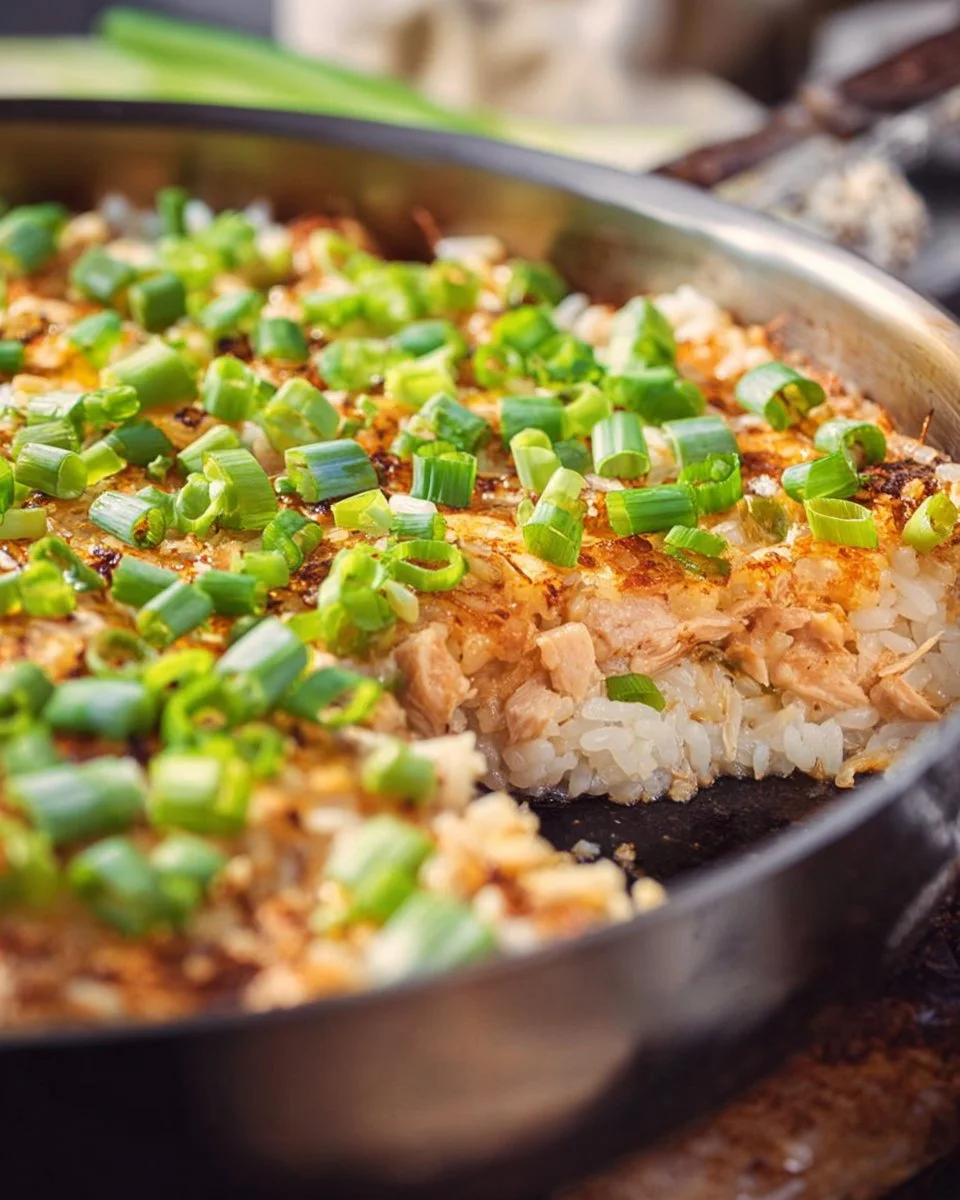
Serve your warm Salmon Sushi Bake in family-style portions, allowing everyone to scoop their desired amount. Pair it with nori sheets for a fun sushi-wrap experience or serve it with a side of edamame for added protein. A crisp cucumber salad can also add a refreshing contrast to the richness of the bake.
How to Store Salmon Sushi Bake
If you have leftovers, let the dish cool before transferring it to an airtight container in the refrigerator. Properly stored, it will keep for about 3 days. Reheat in the oven for the best taste and texture.
Can You Freeze Salmon Sushi Bake?
Yes, you can freeze Salmon Sushi Bake for up to a month. Just ensure it’s in an airtight container and thaw overnight in the refrigerator before reheating.
In the hustle of everyday life, food becomes more than sustenance. It connects hearts, recalls memories, and fosters relationships. I cherish the moments cooking brings. Every Salmon Sushi Bake tells a story—yours might even bring back fond recollections from childhood or inspire new traditions.
FAQ Section
Can you use other types of fish for a sushi bake?
Absolutely! You can substitute the salmon with tuna, crab, or even cooked shrimp while achieving delightful results.
What can I use instead of Kewpie mayo?
Regular mayo is a fine substitute but remember, Kewpie mayo has a unique flavor profile that makes this dish special.
Is sushi rice the same as regular rice?
No, sushi rice is typically short-grain and stickier than regular long-grain rice, allowing it to hold together well in the dish.
Can this dish be made ahead of time?
Yes! You can prepare the sushi bake a day in advance. Just assemble it without baking, cover it tightly with plastic wrap, and bake it when you’re ready.
Conclusion
Life is too short for mundane meals. Embrace the joy of cooking and let this Salmon Sushi Bake become part of your tradition, just as it has become a cherished recipe in my own home. As you relish each bite, take a moment to reflect on those you share it with. If this recipe reminds you of someone you love, share it with them. Your memories keep recipes alive.
Salmon Sushi Bake
Ingredients
Method
- Preheat the oven to 350°F (175°C). Prepare a sheet tray with parchment paper.
- Place the salmon on the sheet tray and thoroughly coat it with olive oil. Bake for 15 minutes or until the salmon is flaky and cooked through.
- Remove the salmon from the oven and shred it with a fork.
- In a bowl, combine the shredded salmon with soy sauce and 2 tablespoons of Kewpie mayo, then set aside.
- While the salmon bakes, prepare the rice by bringing rinsed sushi rice and 1.5 cups of water to a boil in a saucepan. Reduce the heat and cover, cooking until fluffy—about 15 minutes.
- In a separate medium bowl, whisk together the vinegar, sugar, and salt. Fold in the cooked rice and sprinkle in the furikake seasoning, combining well.
- Press the seasoned rice into a 9 x 11-inch baking dish.
- Layer the saucy salmon atop the rice and drizzle the remaining Kewpie mayo and sriracha. Sprinkle white and black sesame seeds over the top.
- Bake for an additional 20 minutes until heated through, and flavors meld beautifully.
- Remove from the oven and finish with chopped green onions. Serve immediately with nori sheets for wrapping.