
There’s something truly special about the aroma of bread baking in your home. It’s an invitation, a warm hug that beckons family to gather and share stories around the dinner table. Yet, in a world where store-bought bread is just a quick trip away, the art of making bread at home often feels daunting. Many find themselves caught in the cycle of quick carbs and lackluster flavors. What if I told you that making delightful, fluffy pita bread is simpler than you think? This Homemade Pita Bread Recipe not only transforms your cooking experience but also connects you back to the joy of creating something truly nourishing with your own hands.
Rediscovering the Artisan Touch
Each time I roll out dough for my homemade pita, I’m reminded of my cherished memories in the kitchen with my grandmother. As a child, I often found myself on a stool, peering over the counter as she kneaded bread that seemed like magic. The way she gently folded, pressed, and shaped the dough inspired my love for baking. I remember the kitchen filled with warmth and laughter, as my playfully impatient fingers would beg for a taste before the bread reached its final form.
Baking, particularly making pita bread, seemed like this intricate dance of flour, water, and just the right touch, and yet my grandmother simplified it for me. It has become an integral part of my food journey, and every step of the way, I’ve learned that the secret to a great Homemade Pita Bread Recipe lies not only in the ingredients but also in the love and patience poured into the process.
Embracing the art of bread making reminds us that cooking isn’t just about following a recipe; it’s about honoring tradition and sharing a piece of ourselves with every meal.
Tip: Make it a family event—grab your kids or make a date night out of it. You’ll create memories that last a lifetime!
The Magic of Homemade Pita
Why does this Homemade Pita Bread Recipe work so effortlessly? It’s all about the balance of simple ingredients and techniques that come together to create a bread that is unmatched.
To start, there’s an undeniable satisfaction in flouring your workspace and pushing your sleeves up to knead dough. You’ll feel a tangible connection to the food you eat, unlike anything store-bought. In addition, homemade pita is customizable! You can alternate between whole wheat and all-purpose flour depending on your dietary preferences.
Quick Answer: The secret to perfect Homemade Pita Bread Recipe is creating a warm environment for your dough to rise.
When the dough rises, the magic happens. The yeast gets to work, creating tiny bubbles that make your pita light and airy. The result? A pocket of deliciousness ready to be filled with whatever your heart desires. This method encourages a beautiful rise and a fluffy interior, giving you that perfect texture to hold everything from a savory filling to a sweet dip.
For optimal flavor, the use of high-quality extra virgin olive oil is crucial. Not only does it add richness, but it also enhances the overall experience. Feel free to experiment not just with the flours you use but also with the additions like spices! Whether it be cumin, garlic powder, or even a sprinkle of za’atar—your pita can be an adventure in flavor.
You might also enjoy our recipe for Crispy Baked Sweet Potato Fries to serve alongside your fresh pita!
Ingredients, Substitutions & Foolproof Steps
Let’s discuss the ingredients you will need for this Homemade Pita Bread Recipe:
- Lukewarm Water — Creates the perfect environment for the yeast to activate.
- Active Dry Yeast — This is your magical leavening agent; make sure it’s fresh for best results!
- Sugar — Helps to feed the yeast and enhances browning.
- Flour (All-Purpose or Whole Wheat) — All-purpose flour gives a light texture, while whole wheat offers a nuttier flavor.
- Kosher Salt — Essential for seasoning; I recommend using Diamond Crystal kosher salt for its fine grains.
- Extra Virgin Olive Oil — A key ingredient for flavor, remember to use a good quality oil.
Now, let’s dive into the foolproof steps, ensuring you end up with perfect pita every time:
- In a large mixing bowl, add the lukewarm water and stir in the yeast and sugar until dissolved.
- Incorporate about 1/2 cup flour and whisk to combine. Set the bowl in a warm spot, uncovered, to create a loose sponge—a waiting game of about 15 minutes until bubbles form.
- Now add the kosher salt, olive oil, and almost all remaining flour, saving about half a cup for dusting later. Mix until you have a shaggy dough.
- Knead your dough lightly in the bowl for about a minute, until it mostly comes together. Dust flour on a clean surface and butter up your hands slightly to work with the dough more easily.
- After a few short minutes of kneading, allow the dough to rest, covered with a cloth, for about 10 minutes. This rest will make the next knead easier.
- Knead again for a couple of minutes. Your dough should feel slightly tacky but not sticky; dust with a bit more flour if necessary.
- Clean the mixing bowl, lightly oil it, and return the dough to it. Cover it with plastic wrap and a towel. Let it rise in a warm place for one hour or until it doubles in size.
- Deflate the dough gently, then divide it into 7 to 8 equal pieces, rolling each into a ball. Let them rest again for about 10 minutes, covered with a towel.
- Using a floured rolling pin, roll each ball into circles that are about 8-9 inches wide and a quarter-inch thick, dusting with flour as necessary.
- You now have two options for baking:
- Oven Method: Preheat the oven to 475°F (245°C) with a heavy-duty baking sheet or skillet inside. Place the rolled-out pita on the hot surface. Bake for about 2 minutes on one side then flip and bake for another minute.
- Stovetop Method: Heat a cast-iron skillet over medium-high heat. Cook each pita for about 30 seconds until bubbles form, flip it over, and cook for an additional 1-2 minutes, ensuring toasted spots appear on the bottom.
Common mistakes to avoid:
- Not allowing the dough to rise enough.
- Skipping the resting periods; they are crucial!
- Overworking the dough during kneading can make tough pita.
Pro Tips:
- Shape your pita quickly to avoid excessive spring-back.
- If using whole wheat flour, increase water slightly for moisture.
- Always keep your cooked pitas warm under a clean towel until serving.
Nutrition Highlights Table
| Nutrient | Per Serving | |————|————-| | Protein | 7g | | Carbs | 12g | | Fat | 6g |
You can discover more hearty options, like our comforting Chicken and Rice Soup to pair with your pita.
Serving, Storage & Freezer Tips
How to Serve Homemade Pita Bread Recipe
Enjoy your pitas warm, stuffed with anything from grilled veggies, falafel, or simply as a side for dips such as hummus or tzatziki.
How to Store Homemade Pita Bread Recipe
Once cool, store your pita in an airtight container at room temperature for 3 days. Avoid refrigeration as it can dry them out.
Can You Freeze Homemade Pita Bread Recipe?
Absolutely! Place cooled pitas in a freezer-proof bag, separating them with wax paper to prevent sticking. They can last up to 3 months.
I recall the first time I made these to accompany a Mediterranean feast. The joy on my family’s faces as they filled their pitas with homemade tzatziki and grilled chicken was priceless. Food has a beautiful way of bringing us together, doesn’t it?
FAQ SECTION
Why did my pita not puff up during cooking?
If the dough isn’t rolled out evenly or if it’s too thick, it might not puff. Ensure even thickness and let it rest properly before cooking!
What can I serve with homemade pita?
You can fill them with grilled meats, falafel, veggies, or use them to scoop up dips such as hummus or baba ghanoush.
Can I make pita bread in advance?
Yes, you can prepare the dough in advance and let it rise. Once it has doubled, you can refrigerate it overnight and use it the next day.
Is pita bread healthy?
Yes! Especially when homemade, you control the ingredients. It’s a delicious source of carbs with some protein, depending on how you fill it.
Conclusion
As you stand in your kitchen, rolling out dough and savoring the delightful aroma wafting through your home, take a moment to truly appreciate this experience. This Homemade Pita Bread Recipe offers so much more than just a meal; it offers a connection—a sense of history and a reminder of what truly matters: family, love, and tradition.
“If this recipe reminds you of someone you love, share it with them. Your memories keep recipes alive.”
YOU MAY ALSO LIKE:
- Peanut Butter Chicken Recipe: The Ultimate Comfort Food Dish
- How to Make Cinnamon Roll Cheesecake Like a Pro
- Sweet and Sour Mix: Ultimate Guide to Cocktails
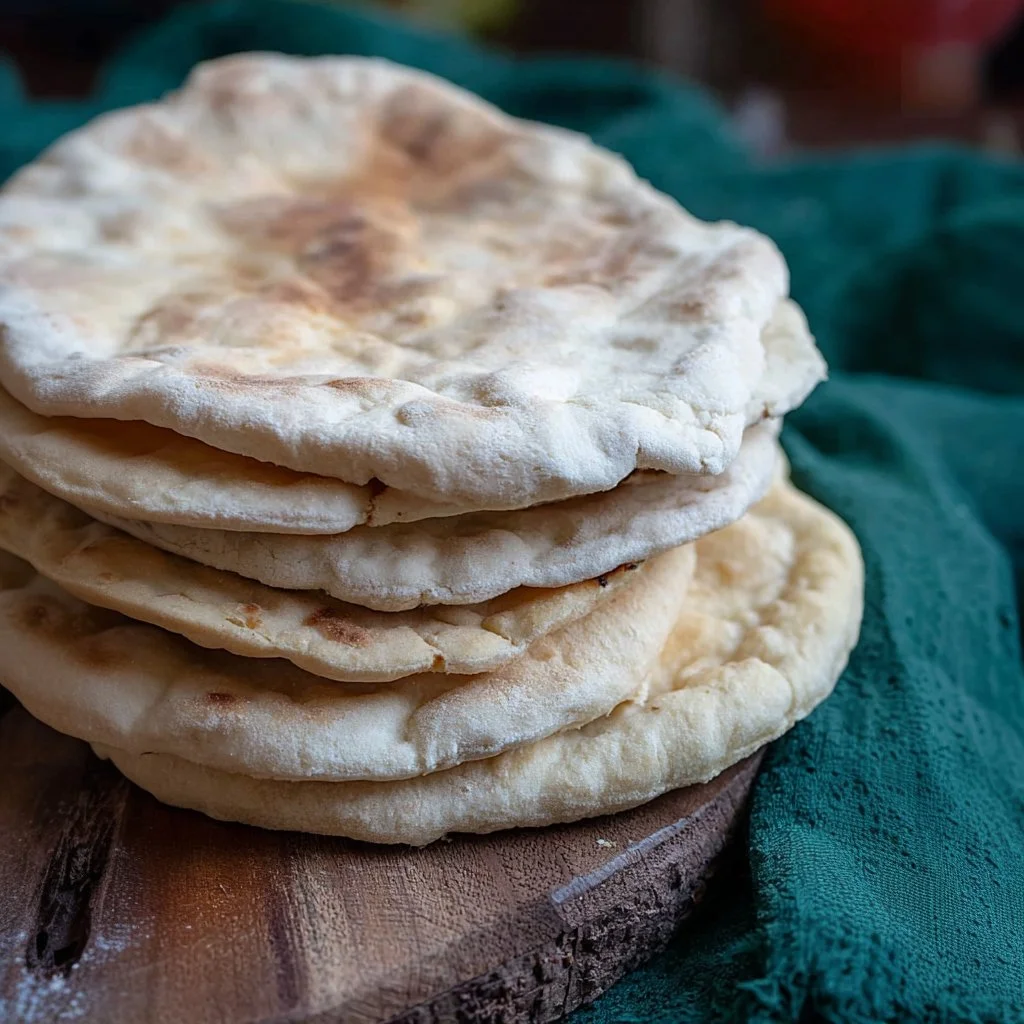
Homemade Pita Bread
Ingredients
Method
- In a large mixing bowl, add the lukewarm water and stir in the yeast and sugar until dissolved.
- Incorporate about 1/2 cup flour and whisk to combine. Set the bowl in a warm spot, uncovered, for 15 minutes until bubbles form.
- Add the kosher salt, olive oil, and almost all remaining flour, saving about half a cup for dusting later. Mix until you have a shaggy dough.
- Knead your dough lightly in the bowl for about a minute until it mostly comes together.
- Dust flour on a clean surface and butter your hands slightly to work with the dough.
- Knead for a few minutes, then allow the dough to rest, covered with a cloth, for about 10 minutes.
- Knead again for a couple of minutes until the dough feels slightly tacky but not sticky.
- Clean the mixing bowl, lightly oil it, and return the dough to it. Cover with plastic wrap and a towel. Let it rise in a warm place for one hour or until it doubles in size.
- Deflate the dough gently, then divide it into 7 to 8 equal pieces, rolling each into a ball. Let them rest for 10 minutes, covered with a towel.
- Using a floured rolling pin, roll each ball into circles about 8-9 inches wide and a quarter-inch thick.
- For baking, use either the oven method or stovetop method detailed below.
- Preheat the oven to 475°F (245°C) with a heavy-duty baking sheet or skillet inside. Place the rolled-out pita on the hot surface. Bake for about 2 minutes on one side, then flip and bake for another minute.
- Heat a cast-iron skillet over medium-high heat. Cook each pita for about 30 seconds until bubbles form, flip over and cook for an additional 1-2 minutes.