
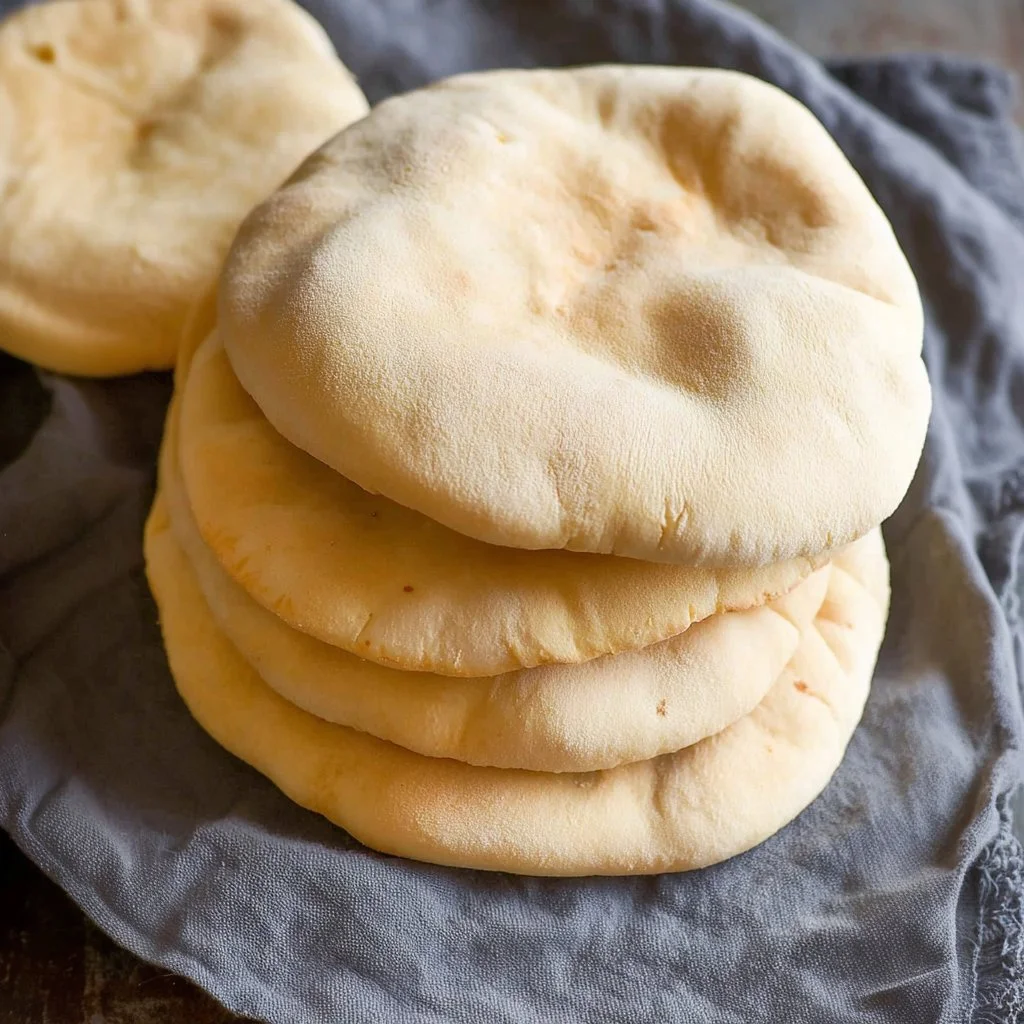
Picture this: it’s a chilly Saturday afternoon, and the air is filled with the tantalizing aroma of freshly baked bread. As you open the oven door, you’re greeted by the sight of puffy, golden rounds that make your heart skip a beat. This isn’t just any bread; it’s homemade pita bread, and it holds the promise of both warmth and comfort. But maybe you’ve faced the frustration of store-bought options that fall flat—thick, dense, and lacking that delightful soft interior. You’re not alone. Many of us yearn for the flavor and texture of homemade pita bread but are often paralyzed by the fear of failure in the kitchen.
I remember the first time I attempted baking pita. As I kneaded the dough, I felt an anticipation I hadn’t experienced since my grandmother let me help roll out her famous dough! It was an entire journey, and when I took the first bite, I was transported back to her kitchen—a place infused with love and a sense of belonging. As a passionate food lover turned recipe developer, I was driven to perfect this Homemade Pita Bread Recipe to share that warmth with you. Let’s dive into this adventure that takes us back to those cherished cooking lessons and bridges generations with every fluffy bite.
Why This Homemade Pita Bread Recipe Works Wonders
This recipe has been perfected through trial and error, and the outcome is truly rewarding. The beauty of a homemade pita bread lies in its versatility. It can cradle your favorite fillings, wrap up savory dips, or become the perfect companion for a meal. The texture and flavor of fresh pita are leagues ahead of what you’ll find in pre-packaged products.
Quick Answer: The secret to perfect Homemade Pita Bread Recipe is allowing the yeast to properly proof and incorporating a warm baking stone.
To create soft, fluffy pitas, we’ll harness the magic of yeast, the simplicity of flour and water, and a little love. This is not just about following a recipe; it’s about crafting joyful memories infused with the warmth of your kitchen. And while we’ll go step-by-step, don’t shy away from making this recipe your own. Each loaf will carry a bit of your unique touch.
Ingredients, Substitutions & Foolproof Steps
Ingredient Notes:
- 1 cup warm water — Essential for activating the yeast; ensure it’s about 110°F to 115°F for optimal results.
- 2 1/4 tsp instant yeast (1 packet) — Instant yeast is a key ingredient; if you’re using active dry yeast, allow it to hydrate for a few minutes in the warm water.
- 1/2 tsp sugar — This boosts yeast activity, a small but mighty ingredient.
- 1/4 cup whole wheat flour — Adds flavor and nutrition; can be replaced with all-purpose if preferred.
- 2 Tbsp extra virgin olive oil — For moisture and flavor; can substitute with melted coconut oil or avocado oil.
- 2 1/2 cups all-purpose flour — Main structure of the pita; use bread flour for chewier pitas.
- 1 1/2 tsp fine sea salt — Enhances flavor; avoid using coarse salt if you can to keep consistency even.
- Additional flour for dusting — Keeps the dough manageable and prevents sticking.
Directions / Steps:
- Proof the Yeast: In a large mixing bowl, combine warm water, sugar, yeast, and 1/4 cup whole wheat flour. Whisk to combine, then set aside for 15 minutes until puffy and foamy on top.
- Mix Dough Ingredients: Add 2 Tbsp olive oil, 2 1/2 cups all-purpose flour, and salt to the yeast mixture. Stir with a wooden spoon until shaggy.
- Knead the Dough: Turn the dough onto a clean surface and knead for 5 minutes until soft and tacky. If sticky, sprinkle more flour.
- Let Dough Rise: Grease the inside of a bowl with 1 tsp olive oil, add the dough, coat it, cover with plastic wrap, and let it rise in a warm place until doubled in volume (about 45 minutes).
- Preheat Oven: Preheat the oven to 500°F with a baking stone or baking sheet inside.
- Shape the Pitas: Punch down the dough, divide into 8 pieces, and roll each piece into a ball. Let rest for 15 minutes.
- Roll Out the Dough: Roll each dough ball into a 7-inch disk, keeping them covered with a damp towel.
- Bake Pitas: Bake on the preheated stone for 2-2.5 minutes until puffed. For stovetop, cook in a preheated skillet for about 2 minutes, flipping once.
- Store Properly: Store cooled pitas in a zip-top bag on the counter or freeze for later.
Common Mistakes to Avoid
- Over-Kneading: Knead just until smooth. Overworking dough can make it tough.
- Too Hot or Cold: Ensuring water temperature is just right is crucial for yeast activation.
- Baking Temperature: Not preheating the oven or stone can lead to unpuffed pitas.
Pro Tips
- Use bread flour for a chewier texture.
- Experiment with flavored olive oils for variety.
- If your pitas don’t puff, try rolling them slightly thinner or adjusting oven temperature.
How to Serve Homemade Pita Bread Recipe
Homemade pita bread can elevate any meal! Pair it with fresh hummus, stuffed with grilled chicken and veggies for a delicious wrap, or serve it alongside soups and salads. The possibilities are endless with this soft, fluffy canvas.
How to Store Homemade Pita Bread Recipe
Stay carefree by storing freshly baked pita bread at room temperature in a zip-top bag once cooled. This keeps them soft and ready for use.
Can You Freeze Homemade Pita Bread Recipe?
Absolutely! You can freeze the pitas in a zip-top bag to enjoy later. Just ensure they are well-cooled before placing them in the freezer. When ready to use, thaw at room temperature and warm them briefly in the oven or a skillet.
A Personal Reflection
Every bite of pita bread brings back memories of family gatherings, laughter, and love infusing the atmosphere like the aroma in my kitchen. As you embark on this journey of baking, think of it not only as a recipe but as a way to create those same cherished moments for yourself and your loved ones.
FAQs
How do I know if my yeast is active? You’ll know your yeast is active when it bubbles and rises, creating a foam on top of the water mixture within 15 minutes.
Can I use whole wheat flour instead of all-purpose flour? Yes, you can! However, using all whole wheat flour might make the pitas denser. A mix usually yields the best results.
What should I do if my pitas don’t puff while baking? Don’t fret! This can happen if the temperature isn’t high enough or the dough isn’t rolled out evenly.
How long can homemade pita bread be stored? Homemade pita can be kept at room temperature for about 3-4 days, and storing it in the freezer can extend its shelf life for up to 3 months.
Conclusion
Baking this Homemade Pita Bread Recipe is more than just a culinary endeavor; it’s a journey into warmth, nostalgia, and happiness. Whether you’re making them for yourself or for someone you love, take the time to enjoy the process and the delicious results. If this recipe reminds you of someone you love, share it with them. Your memories keep recipes alive.
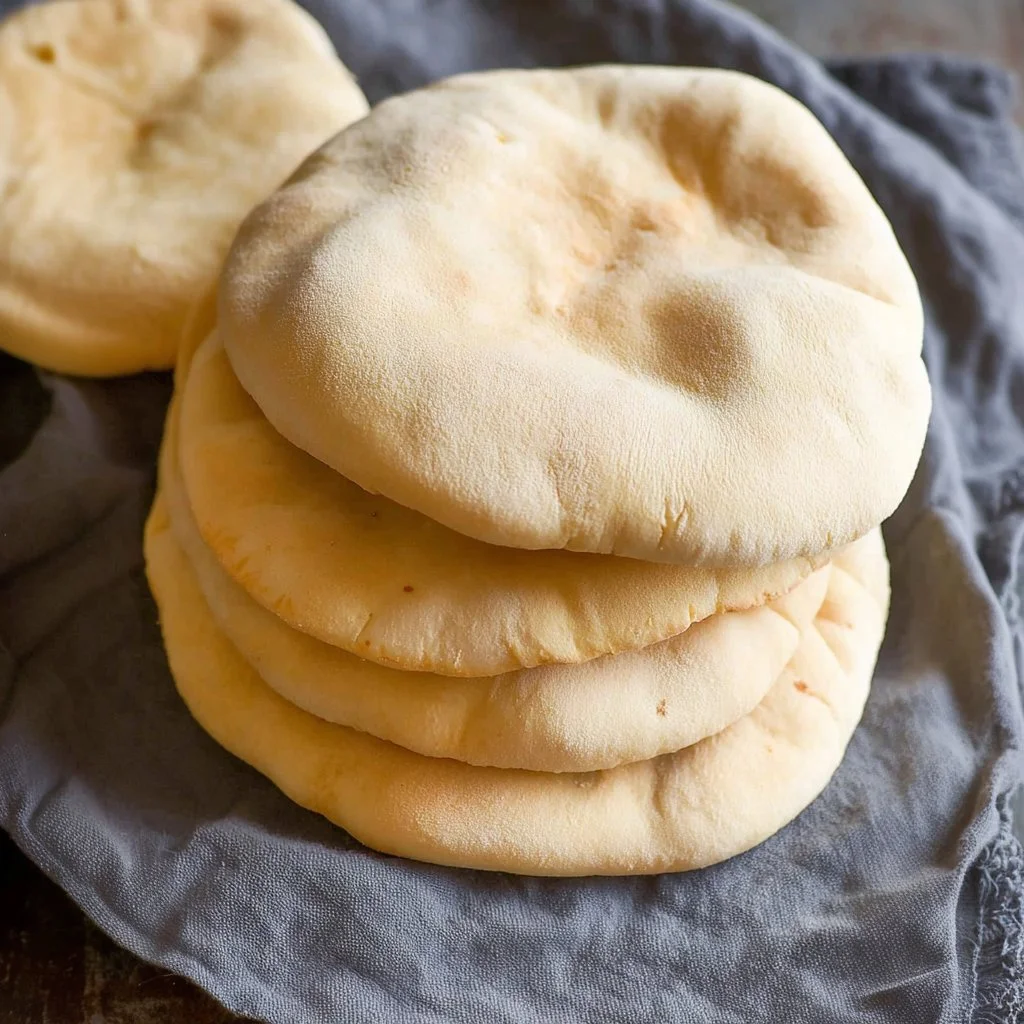
Homemade Pita Bread
Ingredients
Method
- In a large mixing bowl, combine warm water, sugar, yeast, and 1/4 cup whole wheat flour. Whisk to combine, then set aside for 15 minutes until puffy and foamy on top.
- Add 2 Tbsp olive oil, 2 1/2 cups all-purpose flour, and salt to the yeast mixture. Stir with a wooden spoon until shaggy.
- Turn the dough onto a clean surface and knead for 5 minutes until soft and tacky. If sticky, sprinkle more flour.
- Grease the inside of a bowl with 1 tsp olive oil, add the dough, coat it, cover with plastic wrap, and let it rise in a warm place until doubled in volume (about 45 minutes).
- Preheat the oven to 500°F with a baking stone or baking sheet inside.
- Punch down the dough, divide into 8 pieces, and roll each piece into a ball. Let rest for 15 minutes.
- Roll each dough ball into a 7-inch disk, keeping them covered with a damp towel.
- Bake on the preheated stone for 2-2.5 minutes until puffed. For stovetop, cook in a preheated skillet for about 2 minutes, flipping once.
- Store cooled pitas in a zip-top bag on the counter or freeze for later.