
Cottage cheese bread is more than just a recipe; it’s a hug from the oven. Imagine stepping into your home on a crisp, chilly day, greeted by the rich, buttery aroma of freshly baked bread wafting through the air. It captivates your senses, drawing you in like a trusty old friend. If you’ve ever craved that warm and fluffy slice, perhaps topped with something sweet or savory, this Cottage Cheese Bread is about to become your new favorite.
Beyond just satisfying your hunger, this bread embodies those moments of love, comfort, and shared stories at the dinner table. Let’s embark on this delightful journey together as we unveil the secrets of this cherished bread recipe.
The Baking Journey: From Frustration to Triumph
We’ve all felt the frustration that comes with cooking. Have you ever been in the kitchen, confident that you can whip up something special, only to be met with a flat loaf that barely resembled bread? I remember my first time baking bread; I had my heart set on creating something wonderful, only to produce a dense, disappointing brick instead of the fluffy masterpiece I envisioned. The mess was incredible, and my confidence took a nosedive.
But here’s the beauty of cooking — especially bread making. Just like life, it’s all about learning and growing through those struggles. My first botched bread taught me patience and the importance of ingredients and technique. It inspired me to seek recipes that brought warmth, like this Cottage Cheese Bread.
The warmth it provides isn’t just from the way it tastes but from the emotional connection we share as we bake. Why not gather friends or family around? Spend some quality time, and watch as this magical dough transforms, rising with the love infused into it. For more tips on mastering your baking, check out my article on how to make cinnamon roll cheesecake like a pro.
Embrace the process; every misstep brings you one step closer to the perfect loaf.
Why Cottage Cheese Bread Is a Game-Changer
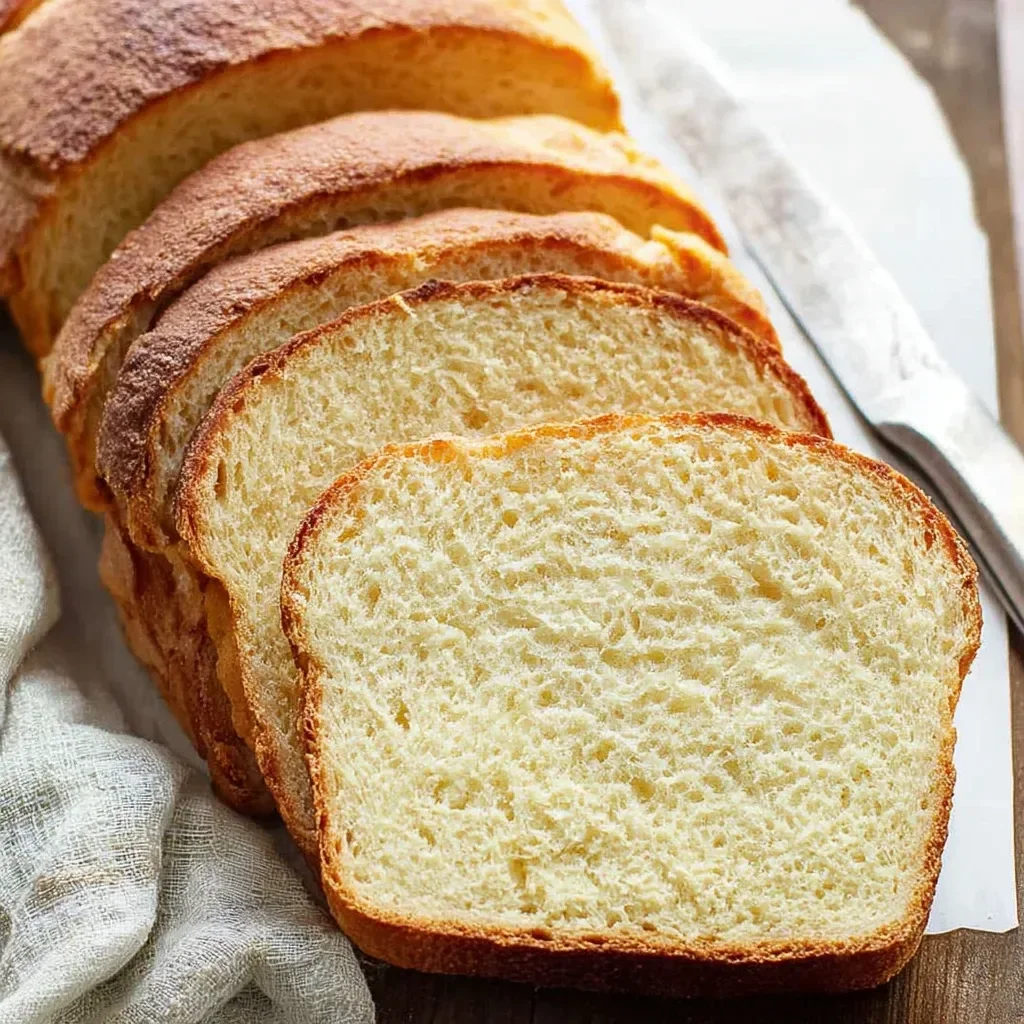
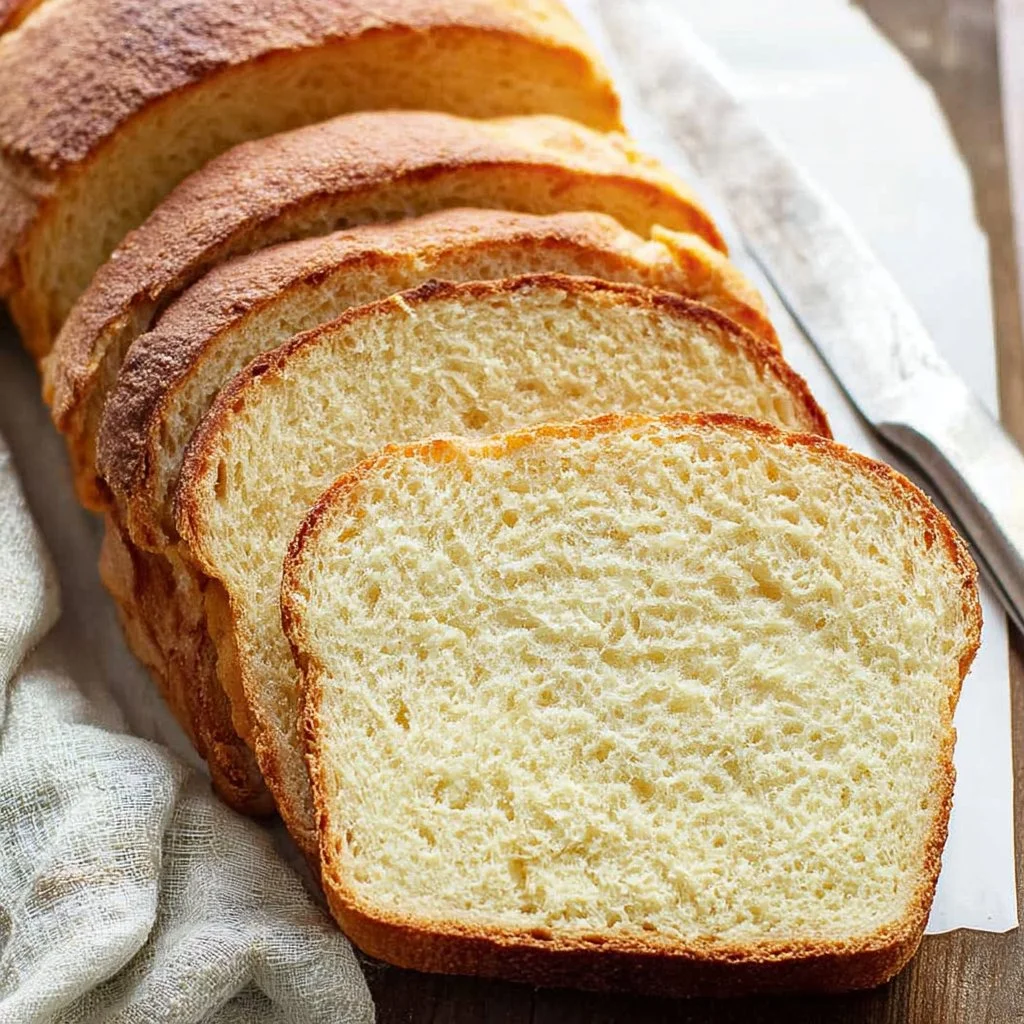
Cottage cheese bread marries practicality with the sublime. It has a unique texture that’s both fluffy and dense, making it satisfying without feeling heavy. The secret? The cottage cheese, which not only adds moisture but also packs a protein punch. You’re not just indulging your taste buds; you’re doing your body a favor!
Quick Answer: The secret to perfect Cottage Cheese Bread is the balance of moisture from the cottage cheese and the structured lift from the eggs.
What makes this Cottage Cheese Bread stand out is its versatility. Whether you slather it with butter for breakfast or craft it into sandwiches for lunch, it adapts gracefully. You can even enjoy it toasted with toppings for a hearty snack. It’s the kind of bread that welcomes creativity.
Looking to tweak it? Check out my ideas for substitutions and tips to adjust the flavors of your bread. If you’re curious about healthy alternatives, flip over to the nutritional highlights of our delicious recipes.
With such simple ingredients, this recipe blends ease and flavor beautifully.
Ingredients, Substitutions & Foolproof Steps
Here’s what you’ll need to create this comforting Cottage Cheese Bread:
- 4 1/2 cups bread flour — Provides the main structure; whole wheat flour can be a healthier alternative but may alter the texture.
- 1 cup cottage cheese — Moisture and protein; Greek yogurt or ricotta can substitute if you’re not a fan of cottage cheese.
- 4 large eggs — Binds the bread together; flax eggs can work for a vegan option.
- 4 egg whites — Helps lighten the bread; you can replace with one additional egg if needed.
- 1/3 cup warm water — Activates the yeast; ensure it’s warm, not hot, to avoid killing the yeast.
- 1 1/2 tsp active dry yeast — Provides the rise; instant yeast is a viable alternative but requires slightly different measurements.
- 1 Tbsp sea salt — Enhances flavor; across various breads, this is a must-have.
Directions/Steps:
- Dissolve the yeast in warm water (must be 110-115F degrees) for 10 minutes.
- In a blender or food processor, combine the eggs and cottage cheese until frothy. Add the yeast mixture and blend until combined.
- In a large bowl, combine the flour and salt. Stir in the cottage cheese mixture. The dough will be sticky and shaggy.
- Preheat oven to 200F degrees.
- Dump the dough out onto a well-floured surface. Knead the dough for 6-8 minutes until you have a smooth (but still somewhat sticky) ball.
- Turn off the oven. Place the dough into an oiled bowl and cover with a dish towel. Place the bowl into the warm oven and let the dough rise for 1 hour.
- Remove the dough from the oven and divide it in half. Shape into small loaf shapes.
- Line two loaf pans with parchment paper. Place the dough into each loaf pan. Cover with a dish towel and let rest for 20-25 minutes.
- Preheat oven to 400F degrees. Using a sharp knife or razor blade, score the bread before baking. Cover the loaves with foil and bake for 30 minutes. Uncover and bake another 15 minutes.
- Cool the bread in the loaf pans for 15-20 minutes before transferring to a wire rack.
Common Mistakes to Avoid
- Forgetting to activate the yeast properly can lead to flat bread. Always check the water temperature!
- Not kneading enough can affect the rise. Ensure the dough becomes elastic!
Pro Tips
- For an extra golden crust, brush the top with melted butter before baking.
- Try adding herbs or garlic to the dough for an aromatic twist.
Nutrition Highlights Table:
| Nutrient | Per Serving | |———-|————-| | Protein | 7g | | Carbs | 12g | | Fat | 6g |
Looking for more nutritional tips? We’ve got you covered in our breakfast ideas.
Serving, Storage & Freezer Tips
How to Serve Cottage Cheese Bread
Slice it thick and enjoy with a smear of butter or jam. For an added delight, top it with avocados, poached eggs, or your favorite deli meats for a wholesome meal.
How to Store Cottage Cheese Bread
Once cooled, store the bread in an airtight container at room temperature for up to three days. To keep it fresher longer, opt for refrigeration.
Can You Freeze Cottage Cheese Bread?
Absolutely! Wrap it tightly in plastic wrap and foil to prevent freezer burn. It can last in the freezer for up to three months. When ready, thaw it overnight in the refrigerator and refresh it in the oven before serving.
This bread reminds me of Sunday mornings at my grandmother’s house. We would gather around the table, buttering thick slices warm from the oven, laughter and stories flowing freely. Cherish those traditions; they add a special essence to your meals.
FAQ Section
1. Can I use low-fat cottage cheese for this recipe?
Yes, low-fat cottage cheese works, though it may slightly alter the texture. It will still add the necessary moisture!
2. Why is my bread not rising?
Check the temperature of your water and yeast. If it’s too hot, it may kill the yeast. Also, ensure you’re in a warm, draft-free environment during the rising process.
3. Can I add spices or herbs to this bread?
Definitely! Adding dried herbs like rosemary or thyme can elevate your Cottage Cheese Bread. Experiment with flavors that excite you!
4. What if I don’t have bread flour?
You can use all-purpose flour, but the texture may be slightly different. If you want to mimic bread flour, consider adding a bit of vital wheat gluten.
Conclusion
As we bring our Cottage Cheese Bread journey to a close, let the warmth and nourishment it represents fill your heart. Baking is more than just a routine; it’s about creating moments and memories that last a lifetime. This Cottage Cheese Bread exemplifies love, flavor, and tradition wrapped in each slice.
“If this recipe reminds you of someone you love, share it with them. Your memories keep recipes alive.”
YOU MAY ALSO LIKE:
Cottage Cheese Bread
Ingredients
Method
- Dissolve the yeast in warm water for 10 minutes.
- In a blender, combine the eggs and cottage cheese until frothy. Add the yeast mixture and blend until combined.
- In a large bowl, combine the flour and salt. Stir in the cottage cheese mixture to form a sticky dough.
- Preheat the oven to 200°F.
- Knead the dough on a floured surface for 6-8 minutes until smooth.
- Place the dough in an oiled bowl, cover with a towel, and let rise in the warm oven for 1 hour.
- Divide the dough and shape into small loaves.
- Line two loaf pans with parchment paper and place the shaped dough into the pans. Cover and let rest for 20-25 minutes.
- Preheat oven to 400°F. Score the loaves with a sharp knife.
- Cover the loaves with foil and bake for 30 minutes, then uncover and bake another 15 minutes.
- Cool in loaf pans for 15-20 minutes before transferring to a wire rack.