Croissant Dough
If buttery, flaky croissants have always felt out of reach, this recipe is here to change everything. Imagine waking up to the smell of freshly baked croissants, their golden crusts giving way to layers of rich, tender pastry. This Life-Changing Cheater’s Croissant Dough is your shortcut to artisan-level pastries without the fuss. Perfect for special occasions or simply to elevate your breakfast routine, you can prepare this dough ahead of time and enjoy homemade croissants whenever the mood strikes. Ready to impress your family and friends? Let’s dive into how to create this delightful pastry dough that will transform your kitchen into a French bakery!
Quick Answer
With its simple ingredients and easy steps, this croissant dough allows for delicious homemade pastries without the challenging techniques typically required.
Why You’ll Love This Recipe
This croissant dough provides a delicious blend of flavors and textures that will elevate your baking game. Here’s why you’ll love this recipe:
- Easy preparation: You don’t need to be a pastry chef to create impressive croissants.
- Flavor-packed: Rich, buttery flavor from cold butter adds depth to every bite.
- Versatile usage: Can be used for a variety of pastry recipes, not just croissants.
- Make ahead: Dough can be prepared in advance, making it easy to whip up on busy mornings.
- Textural delight: Achieves that perfect flaky texture without extensive labor.
What Makes This Recipe Special
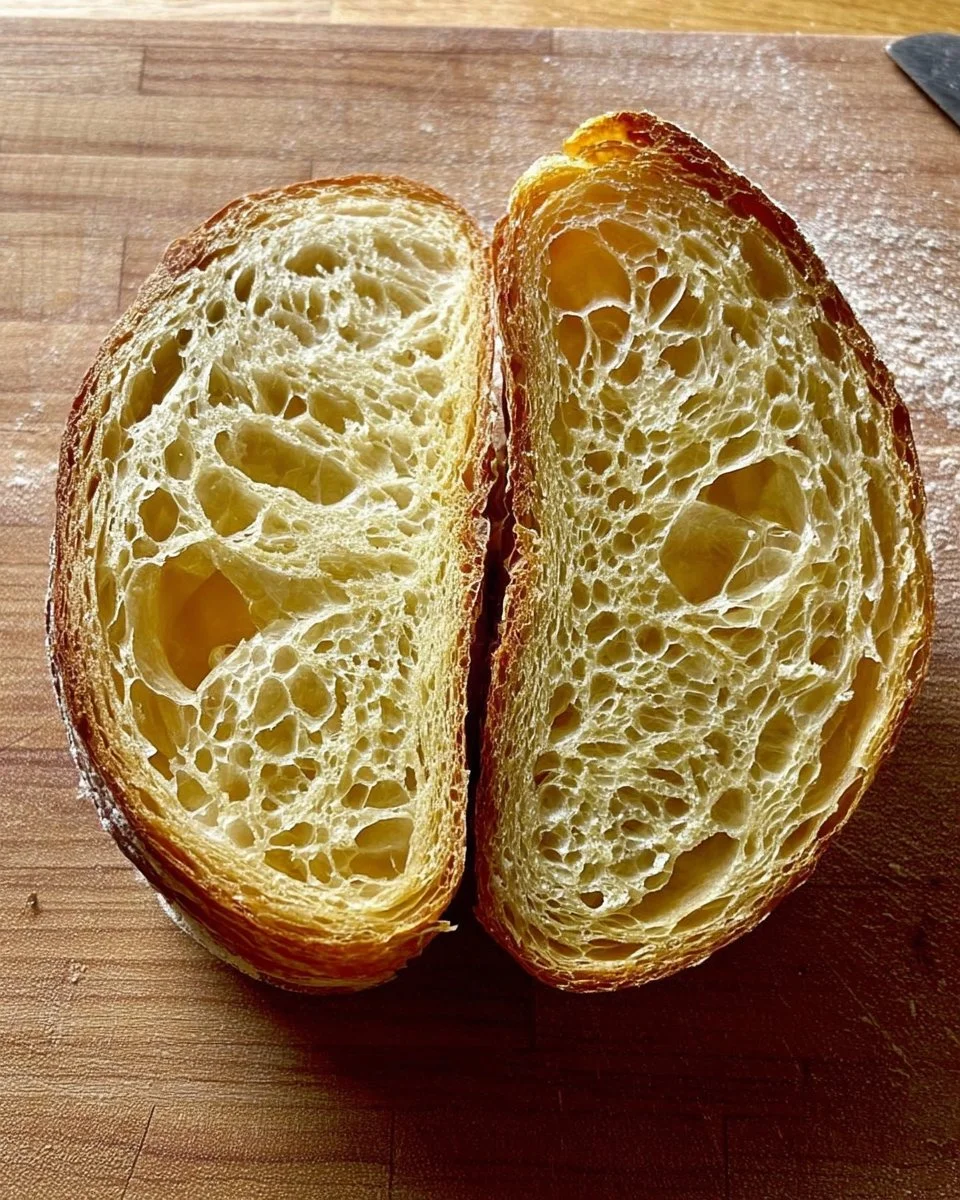
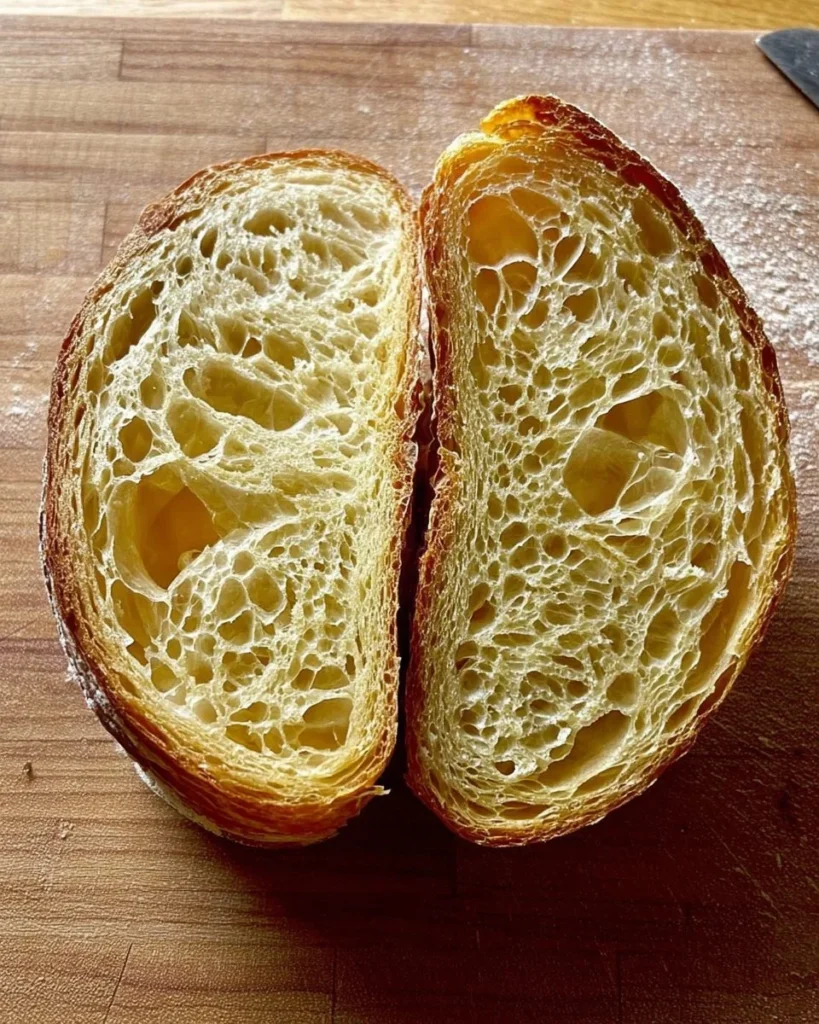
This recipe simplifies the process of making croissant dough while maintaining the essential elements that make them a beloved pastry. The key is the cold butter that is integrated into the flour mixture, creating those desirable flaky layers when baked. Unlike traditional methods that require time-consuming lamination, this cheater’s version gives you those flaky, airy layers with just a bit of folding, making it less intimidating. Additionally, it allows the dough to chill longer, enhancing the flavor and texture, which is essential for crafting the perfect croissant.
Kitchen Tools You’ll Need
- Mixing bowls – needed for combining wet and dry ingredients.
- Food processor – ideal for mixing flour and butter quickly and efficiently.
- Rolling pin – essential for rolling out the dough to the desired thickness.
- Cooking sheet – needed for baking the croissants.
- Parchment paper – to line your baking sheets and prevent sticking.
Ingredients
water: Provides hydration to the dough, creating the right texture without being too sticky. milk: Adds richness and a slight sweetness, contributing to the overall flavor. egg: Acts as a binder and enriches the dough for a golden-brown finish. all-purpose flour: Forms the structure of the dough, allowing for elasticity and chewiness. instant yeast: Helps the dough rise quickly, creating a light and airy texture. kosher salt: Enhances flavor while balancing the sweetness of the dough. sugar: Adds a hint of sweetness necessary for enriched doughs and helps with browning. butter: Key for richness, flavor, and creating those desired flaky layers in the croissants. flour for dusting: Prevents sticking while rolling out the dough. egg yolks: Creates a glossy finish when brushed on the croissants before baking. heavy cream: Adds richness to the egg wash for a beautiful color and shine. sea salt: Enhances flavor, ensuring the final pastry is well-seasoned.
Ready to cook? Scroll to the recipe card below for exact measurements.
How to Make Life-Changing Cheater’s Croissant Dough
Phase 1 – Prep
STEP 1. Mix wet ingredients. In a medium bowl or 2-cup liquid measure, whisk together the water, milk, and egg. STEP 2. Combine dry ingredients. In a food processor, blend together the flour, yeast, salt, and sugar until well combined. STEP 3. Add butter. Add the cold butter, and pulse 10 to 12 times at 1-second intervals, until the butter is in small pea-sized pieces. STEP 4. Transfer mixture. Transfer the contents of the food processor to a large bowl. STEP 5. Add wet mixture. Add the water-milk-egg mixture, and using a spatula, stir until you have a wet, sticky mass. STEP 6. Chill dough. Cover the bowl and refrigerate for at least 2 hours (but ideally for 24 hours) or up to 4 days.
Phase 2 – Cook
STEP 7. Turn out dough. Turn the dough out onto a lightly floured work surface and divide it into two equal portions. STEP 8. Shape portions. Pat each portion into a rough square. Set one aside while you begin working on the next. STEP 9. Roll out dough. Using flour as needed, roll the square out, flipping it as needed to prevent sticking, until you have a shape 10- to 11-inches wide. STEP 10. Fold dough. Fold the dough envelope-style: the top third down over the dough, then the bottom third up, then fold the right third from right to left and left to right, creating a square. STEP 11. Repeat folds. You’ve now completed one set of folds; repeat this process 3 more times. STEP 12. Chill again. Transfer the folded dough to an airtight container and refrigerate for at least 30 minutes (but ideally 24 hours) or up to 2 days. STEP 13. Prepare for baking. Using flour and working with one portion at a time, roll the dough into an 8×12-inch rectangle. STEP 14. Cut triangles. Cut the dough in half vertically to create two rectangles and then cut each rectangle diagonally to create 4 triangles. STEP 15. Shape croissants. Coil each triangle starting from the flat end and tuck the tip underneath. STEP 16. Place on sheet. Transfer the croissants to a parchment-lined sheet pan and cover them with a pan to prevent drying out.
Phase 3 – Serve
STEP 17. Let proof. Let the croissants proof at room temperature for roughly 2 hours or until they nearly double in size. STEP 18. Preheat oven. Preheat the oven to 425°F. STEP 19. Prepare egg wash. In a small bowl, whisk together the yolks, heavy cream, and sea salt. STEP 20. Brush croissants. Brush each croissant with the egg wash and wait 5 minutes before baking. STEP 21. Bake croissants. Transfer the pan to the oven, lower the temperature to 400°F, and bake for roughly 15 minutes, or until the croissants are golden brown. STEP 22. Cool and serve. Remove from the oven, transfer to a cooling rack, and let rest briefly before serving.
Why This Recipe Works
This recipe achieves the perfect balance between texture and flavor through smart ingredient interactions and simplified methods. The cold butter, when incorporated minimally, promotes the formation of layers that puff beautifully in the oven, resulting in a flaky croissant without requiring extensive manipulation. The yeast provides a light, airy crumb, while the combination of milk and sugar contributes to a deep, rich flavor, creating warmth and comfort. Baking at the right temperatures allows for optimal browning while preserving a tender inner structure, ensuring every bite is an indulgent experience.
Pro Tips
To achieve the perfect croissant, consider these pro tips:
- Use cold ingredients for your butter, milk, and water to maintain the integrity of the layers.
- Don’t skip the chilling times, as they help the dough relax and develop flavor.
- Be mindful when rolling and folding; apply even pressure to preserve the layers.
- Proof in a warm environment, as cooler temperatures will slow the rising process.
- Experiment with fillings like chocolate or almond paste for added delight.
Common Mistakes to Avoid
Avoid these pitfalls for better croissant results:
- Mistake: Not chilling the dough long enough.
- Why it happens: Seems like an impatient step.
- How to fix it: Stick to chilling times for flavor and texture.
- Mistake: Using warm ingredients.
- Why it happens: Looking for quick results.
- How to fix it: Always use cold ingredients for proper layer formation.
- Mistake: Overworking the dough.
- Why it happens: Wanting to make it smooth.
- How to fix it: Handle with care to maintain butter chunks and avoid a dense croissant.
- Mistake: Proofing for too long.
- Why it happens: Uncertainty about timing.
- How to fix it: Watch for a nearly doubled size and a marshmallowy texture.
Variations
- Fill croissants with ham and cheese for a savory delight.
- Add chocolate chips or almond paste for a sweet twist.
- Top with powdered sugar after baking for an extra treat.
- Try a cinnamon sugar mix in the filling for a spiced version.
Nutrition Highlights
Nutrient Role Protein Helps support satiety and balanced meals. Calcium Essential for bone health, adds richness from the milk. Fats Provides flavor and satiety, especially from the butter. Carbohydrates Source of energy, mainly from the flour and sugar. Serving Ideas
Serve these croissants warm for breakfast alongside a steaming cup of coffee or tea. Pair with fresh fruit preserves, or enjoy simply with butter. They also make for a delightful brunch centerpiece, served alongside savory frittatas or a cheese platter to impress your guests. Croissants can be an elegant addition to any gathering – their fluffy texture and buttery flavor will be hard to resist.
Best Occasions for This Recipe
This croissant recipe is perfect for brunch gatherings, holiday breakfasts, or simply as a delightful pick-me-up on a Sunday morning. It’s an ideal treat to impress family and friends or to indulge yourself during a cozy weekend at home. Birthdays and celebrations are also excellent opportunities to showcase this delicious pastry, allowing for creative fillings to surprise your guests.
Meal Prep & Storage
Meal Prep
Prepare the dough in advance and store it in the refrigerator for up to four days. You can even freeze it to save for baking fresh croissants on demand.
Refrigeration
Keep the rolled-out croissants covered in the fridge for a few hours to prevent drying out before baking. They can proof directly in the refrigerator if you extend the timeframe.
Freezing
To freeze baked croissants, allow them to cool completely, then wrap them tightly in plastic wrap or foil and store in an airtight container. They’ll keep for up to three months.
Reheating
For best results, reheat croissants in a preheated oven at 350°F for about 10 minutes, or until warmed through to restore the flakiness.

FAQs
Can I substitute the butter with margarine? While margarine can be used, it won’t provide the same flakiness and rich flavor that butter offers. What if my dough is sticky? If the dough feels too sticky, sprinkle a bit more flour during the rolling process to help manage it. How long do these croissants last? Freshly baked croissants are best enjoyed the same day, but they can last up to two days in a sealed container. Can I fill these croissants before baking? Yes! Fill them with chocolate, fruit preserves, or savory elements before shaping and baking for a delicious twist. Should I cover the croissants while they proof? Covering the croissants helps retain moisture and prevents them from drying out, ensuring a proper rise.
Save This Recipe for Later
Don’t forget to pin this incredible croissant dough recipe for later! You’ll want to revisit this simple approach to crafting flaky, delicious pastries again and again.
Conclusion
Transform your baking with this Life-Changing Cheater’s Croissant Dough. With a few straightforward techniques, you’ll be enjoying warm, flaky croissants that rival any bakery. Whether for breakfast, brunch, or a special occasion, this recipe will become a staple in your kitchen. So grab your ingredients and get ready to impress your taste buds and your guests with these delicious homemade pastries!
Cheater's Croissant Dough
Ingredients
Method
- In a medium bowl or 2-cup liquid measure, whisk together the water, milk, and egg.
- In a food processor, blend together the flour, yeast, salt, and sugar until well combined.
- Add cold butter to the food processor, and pulse 10 to 12 times at 1-second intervals, until the butter is in small pea-sized pieces.
- Transfer the mixture to a large bowl.
- Add the water-milk-egg mixture, and stir until you have a wet, sticky mass.
- Cover the bowl and refrigerate for at least 2 hours, ideally for 24 hours.
- Turn the dough out onto a lightly floured work surface and divide it into two equal portions.
- Pat each portion into a rough square.
- Roll the square out to a shape 10- to 11-inches wide.
- Fold the dough envelope-style, creating a square.
- Repeat the folding process 3 more times.
- Transfer the folded dough to an airtight container and refrigerate for at least 30 minutes or up to 2 days.
- Roll the dough into an 8x12-inch rectangle.
- Cut the dough into triangles.
- Coil each triangle starting from the flat end and tuck the tip underneath.
- Transfer the croissants to a parchment-lined sheet pan and cover them.
- Let the croissants proof at room temperature for roughly 2 hours or until they nearly double in size.
- Preheat the oven to 425°F.
- In a small bowl, whisk together the yolks, heavy cream, and sea salt.
- Brush each croissant with the egg wash and wait 5 minutes before baking.
- Transfer the pan to the oven, lower the temperature to 400°F, and bake for roughly 15 minutes, or until golden brown.
- Remove from the oven, transfer to a cooling rack, and let rest briefly before serving.