Homemade Almond Butter
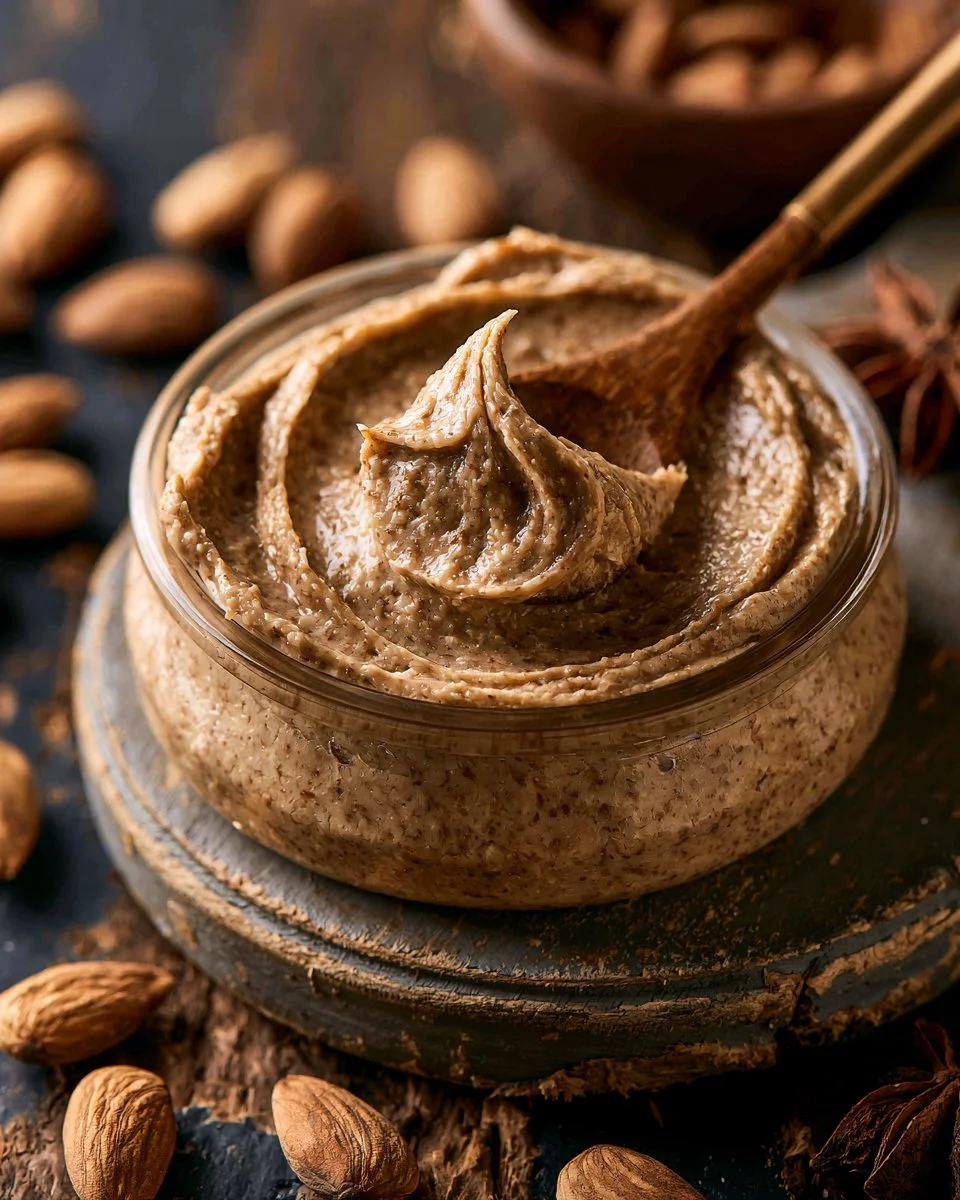
Making your own nut butter is a delightful way to enjoy healthy snacking while knowing exactly what goes into it. Almond butter, in particular, offers a creamy texture and a rich flavor that’s hard to resist. Whether you spread it on toast, drizzle it over oatmeal, or use it as a base for smoothies, homemade almond butter opens up a world of delicious possibilities. Plus, it’s naturally packed with nutrients, making it a wholesome choice for any time of the day. Imagine freshly roasted almonds transforming into a silky, dreamy paste that is both satisfying and nutritious. More exciting is the control you have over flavors and sweetness. This recipe provides a simple process that yields a blend so delectable, it may just become a staple in your pantry. Perfect for those busy mornings or as a mood-lifting snack, this almond butter will undoubtedly enhance your culinary adventures.
Why You’ll Love This Recipe
This homemade version of almond butter is not just a captivating treat; it’s also incredibly versatile. Creating your own allows you to customize the flavor according to your taste preferences—whether you prefer it nuttier, creamier, or a touch sweeter. The combination of toasted almonds, olive oil, and honey brings out the natural flavors beautifully, giving you a unique spread that store-bought versions often can’t match. Moreover, you have the flexibility to adapt the recipe to suit your dietary needs. For those looking for healthier options, this nut butter contains no preservatives or artificial ingredients, making it a guilt-free indulgence. Plus, the satisfaction of preparing a homemade recipe that packs a protein punch and serves as a tasty addition to high-protein meals will make you feel accomplished in the kitchen.
What Makes This Recipe Special
What sets this almond butter apart is its simplicity. With just a few wholesome ingredients, you can evoke flavors that elevate your morning routine. Roasting the almonds is the key step that unlocks their full potential, leading to a deeper, richer taste profile that makes all the difference. The addition of honey adds a natural sweetness that complements the nutty flavor, while olive oil gives it that perfect creamy texture, ideal for spreading or dipping. Each batch comes together effortlessly in a food processor, showcasing how easy and quick homemade recipes can be. Plus, it’s a healthier alternative compared to many commercial options on the market, which often contain added sugars and unhealthy oils. The result is a jar filled with nutty goodness, inviting you to explore endless serving ideas.
Ingredients
toasted almonds: The star ingredient, providing nutty flavors and healthy fats.
olive oil: Enhances creaminess and enriches texture.
honey: Adds natural sweetness for a delicious flavor.
sea salt: Balances flavors and enhances the overall taste.
How to Make Homemade Almond Butter
STEP 1. Preheat the oven. Set your oven to 325°F (163°C) to prepare for roasting.
STEP 2. Line the baking sheet. Use parchment paper to line a baking sheet for easy cleanup.
STEP 3. Spread the almonds. Evenly distribute the toasted almonds on the baking sheet.
STEP 4. Roast the almonds. Place in the oven and roast for about 10 minutes until fragrant.
STEP 5. Cool the almonds. Remove the almonds from the oven and let them cool slightly.
STEP 6. Process the almonds. Transfer the cooled almonds to a food processor and blend until creamy, stopping to scrape down the sides as needed for about 10 minutes.
STEP 7. Add additional ingredients. Once the mixture is creamy, incorporate olive oil, honey, and sea salt, blending until smooth.
STEP 8. Store the almond butter. Transfer the almond butter to a container with a lid and refrigerate until ready to serve.
Pro Tips
To get the perfect creamy texture, ensure your food processor is powerful enough to handle the intense blending required. During processing, patience is key; stopping to scrape the sides enables an even consistency without any almond chunks. Make sure to allow the almonds to roast sufficiently so they reach their full flavor potential; over-roasting can lead to a bitter taste. For added flavor depth, consider experimenting with naturally flavored additions like cinnamon or vanilla extract during processing. If your almond butter is thicker than desired, feel free to add a splash more olive oil until you achieve your preferred consistency. Lastly, always store your homemade almond butter in an airtight container in the fridge to maintain its freshness.
Common Mistakes to Avoid
One common mistake when making almond butter is insufficient processing time; an under-processed batch will result in a gritty texture rather than the desired smoothness. Be sure to allow the food processor to run long enough to break down the almonds fully. It’s also essential to let the roasted almonds cool before processing; hot almonds release oil prematurely, affecting the final texture. Overloading your food processor can hinder performance, so consider processing in smaller batches if necessary. Additionally, adding too much honey can lead to a sticky mess, making it harder to spread, so start with the recommended amount and adjust to taste. Lastly, always taste your almond butter before storing, ensuring the balance of flavors is just right.
Variations
• Add cocoa powder for a chocolate-infused almond butter.
• Stir in oats for a crunchy texture.
• Substitute maple syrup for honey for a different sweetness.
• Use flavored oils like coconut for a unique twist.
• Incorporate spices such as cinnamon or nutmeg for extra warmth.
Serving Ideas
Spread this homemade almond butter on whole grain toast for a nourishing breakfast. Drizzle it onto smoothies for an additional protein boost. Serve it with apple slices or bananas as a healthy snack option. Mix it into oatmeal or yogurt for a creamy, flavorful enhancement. You can even use it as a base for rich sauces in savory dishes, creating a wholesome addition to various meals. The possibilities are endless!
Meal Prep & Storage
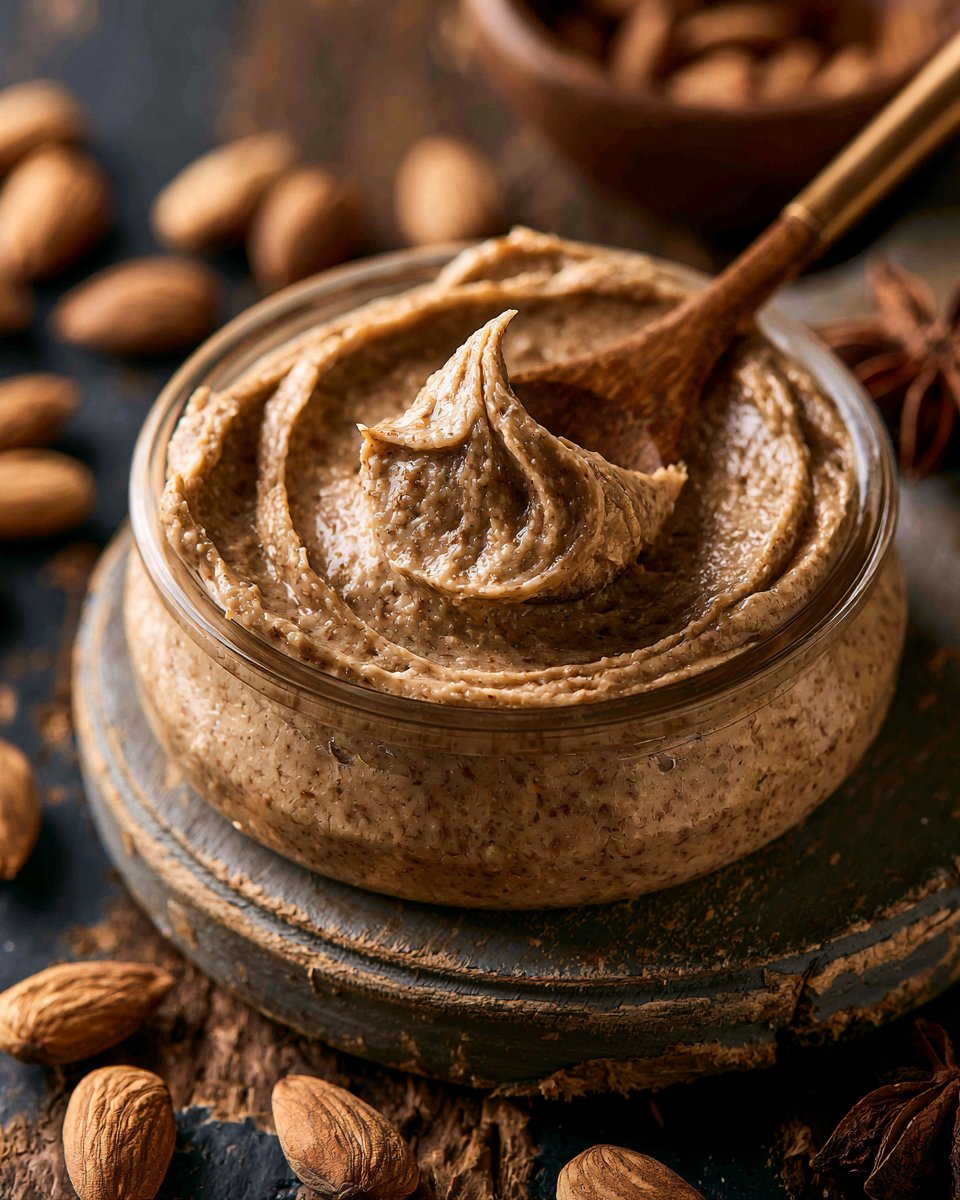
For optimal freshness, store your homemade almond butter in an airtight container in the refrigerator. This should keep it flavorful for about 2 to 3 weeks. For longer storage, consider placing it in the freezer, where it can last for up to 6 months. When you’re ready to use it after freezing, let it sit out to soften before spreading. Since natural separation can occur, it’s advisable to stir well before each use, ensuring that the consistency remains creamy and delightful. This simple batch preparation will make your meal prep easy, providing a delicious, healthy option that you can enjoy any time.
FAQs
1. Can I use raw almonds instead of toasted?
Yes, while toasted almonds provide a richer flavor, you can use raw almonds. Just toast them lightly before processing for the best taste.
2. How can I make almond butter sweeter?
You can increase the amount of honey used or add a touch of maple syrup to enhance the sweetness according to your preference.
3. Is almond butter healthier than peanut butter?
Almond butter offers a different nutritional profile with higher fiber and vitamin E levels compared to peanut butter, making it a healthy choice.
4. Can I blend almond butter by hand?
While it is possible to use a mortar and pestle, a food processor is recommended for achieving the creamy texture typically desired in almond butter.
5. What should I do if my almond butter is too thick?
If your almond butter turns out too thick, add a small amount of olive oil gradually until you achieve your desired consistency.
Conclusion
Creating your own almond butter at home not only caters to your taste preferences but also allows for healthier choices. It’s a simple process that rewards you with a creamy, nourishing spread. This easy recipe is sure to become a favorite in your kitchen, enhancing your meals and snacks for weeks to come. Enjoy the deliciousness that comes from making something fresh and utterly satisfying!