
Ah, doughnuts! The mere mention of the word can evoke memories of crisp mornings, the warm scent of baked sweetness wafting through the kitchen, and that delightful first bite that sends flavor rushing to your senses. However, for many, the dream of crafting the perfect yeast doughnut often feels more like a distant fantasy than a possible reality. We’ve all faced the daunting challenge: the dough doesn’t rise, the flavors fall flat, or the frying turns into a greasy mess. It can be disheartening, leaving you wondering if you’ll ever master this treat that has graced breakfast tables and coffee breaks alike.
Let me share a little story. Growing up, my grandmother would make the most decadent yeast doughnuts every Sunday morning. The aroma would pull us out of bed, and the sight of her doughy creations rising ever so perfectly on the counter filled our hearts with joy and the promise of something sweet. I yearned to replicate that experience in my kitchen, but my first few attempts failed miserably, leading to that disheartening realization: I simply couldn’t get it right. Yet with perseverance and a few reliable tips, I cracked the code. Today, I want to help you enjoy the sweet pleasure of perfect yeast doughnuts, just like my grandmother did.
No more frustrating failures! It’s time to create something delicious that will surely sweep you off your feet. Embrace the art of doughnut making and learn why my Perfect Yeast Doughnuts recipe will soon become your go-to.
Why Perfect Yeast Doughnuts Work Like a Dream
Making the perfect yeast doughnuts is less about complex techniques and more about understanding the fundamentals. The beauty of this recipe lies in the balance of the ingredients and their remarkable ability to develop flavors over time, resulting in a soft, airy treat that dreams are made of.
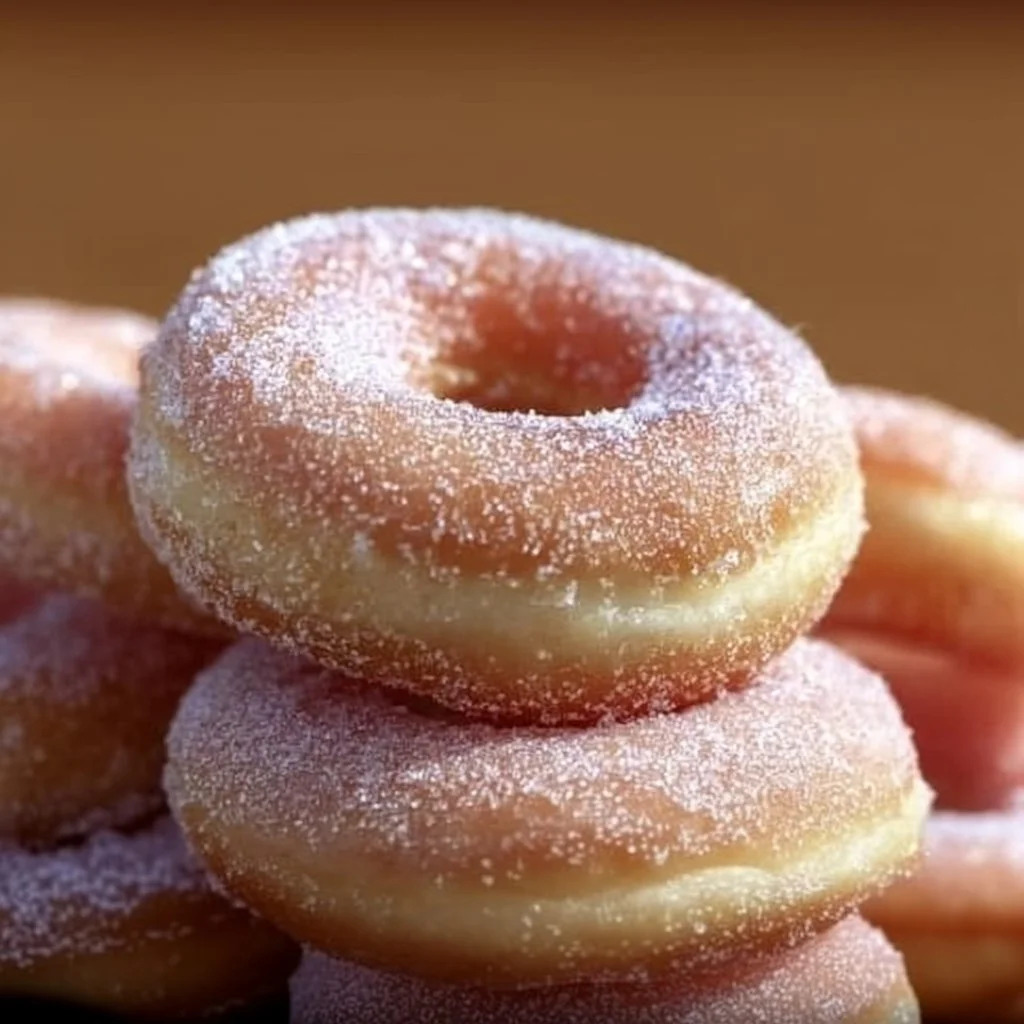
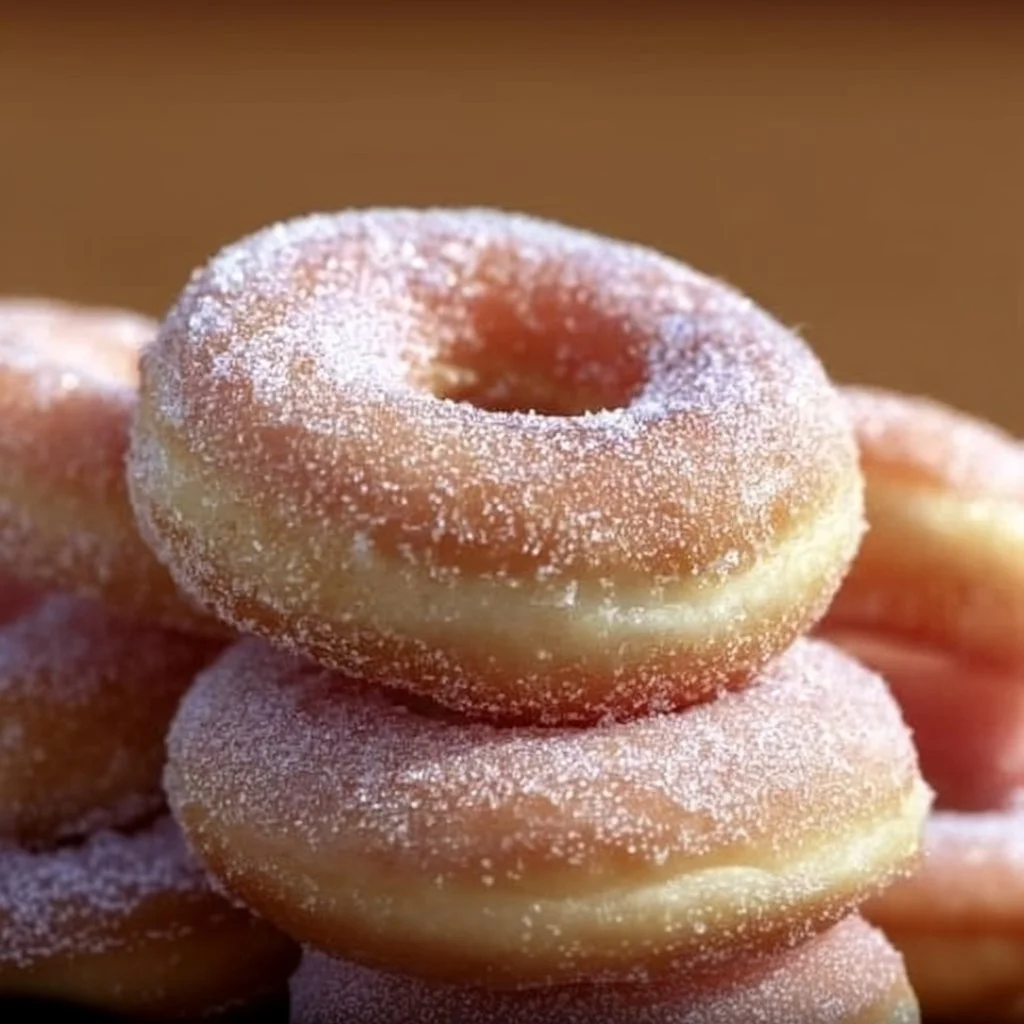
What makes this recipe stand out? Most doughnut recipes require exact measurements and techniques that can leave you feeling overwhelmed. But in our Perfect Yeast Doughnuts, we focus on simplicity and trust. Using fresh ingredients, ensuring your yeast is activated, and giving the dough enough time to rise makes all the difference. Imagine the delight of biting into a freshly fried doughnut, soft and fluffy in texture, with flavors dancing on your palate.
Quick Answer: The secret to perfect Perfect Yeast Doughnuts is allowing the yeast adequate time to bloom and developing flavor through proofing.
This gives you that light, airy doughnut that feels like a hug from the inside. Dive deep into our recipe, and you’ll discover the magic behind these doughnuts that everyone will adore.
Get ready to connect with a classic taste! As you get started, you’ll find joy in the anticipation, as dough rises, and fragrant memories of sweet breakfast spreads fill your home.
Ingredients, Substitutions & Foolproof Steps
Creating Perfect Yeast Doughnuts is a rewarding journey that combines science and art. Here’s what you’ll need:
- 6 Tbsp lukewarm water — Activates yeast; make sure it’s not too hot to prevent killing the yeast.
- 5 oz buttermilk (at room temperature) — Adds moisture and tanginess; milk can be used as a substitute.
- 1 egg (at room temperature) — Provides richness; if you’re vegan, use a flax egg or similar alternative.
- 2 oz melted butter — Enriches flavor and moistness; ghee works wonderfully as a substitute.
- 16 oz all-purpose flour (or bread flour) — Gives structure; choose bread flour for a chewier texture.
- 2 oz sugar — Sweetness that helps activate yeast; can substitute with coconut sugar for a healthier option.
- 1 tsp salt — Enhances flavor; don’t skip this!
- 1 ½ tsp quick-rise yeast (or regular dried yeast) — Ensures a perfect rise; keep yeast fresh for best results.
- 16 oz olive oil (for frying) — A neutral oil is essential for frying; you can use canola or vegetable oil too.
- 4 oz sugar (1/2 cup or more) — For coating; consider cinnamon sugar for extra flavor.
- Filling (optional): Jam, chocolate hazelnut spread, or whipped cream — Customize your treat!
Directions/Steps:
For the Bread Machine:
- Place all wet ingredients in the bread machine pan.
- Add in dry ingredients, ensuring yeast is last so it doesn’t touch the liquid.
- Select the “Dough” cycle and let the machine do its job.
For Stand Mixer with Dough Hook:
- Dissolve yeast in lukewarm water; let it activate for 5 minutes.
- Mix sugars and salt in a bowl, then slowly add flour.
- Pour in yeast mixture, buttermilk, egg, and melted butter; mix until combined.
- Knead for about 5 minutes until a smooth dough forms.
By Hand:
- Prepare yeast in lukewarm water and let it sit until frothy.
- In a large mixing bowl, combine sugars, salt, and flour.
- Make a well in the center; add yeast mixture, buttermilk, egg, and melted butter. Mix to combine.
- Transfer dough to a floured surface and knead for about 10 minutes until smooth.
Common Mistakes to Avoid:
- Using water that’s too hot can kill your yeast.
- Not allowing the dough enough time to rise leads to denser doughnuts.
- Frying at too high a temperature results in a burnt exterior and raw center.
Pro Tips:
- Patience is key! Let the dough rise properly before rolling and cutting.
- Test the oil’s temperature by dropping a small piece of dough in; it should bubble and rise to the surface.
- Use a thermometer for consistent frying, aiming for about 350°F (175°C).
Ready to savor your creation? Let’s talk about serving and storing these little pieces of happiness!
Serving, Storage & Freezer Tips
How to Serve Perfect Yeast Doughnuts
These glorious doughnuts are delightful on their own, but feel free to incorporate fillings or toppings of your choice. Dust lightly with powdered sugar, smother with chocolate glaze, or simply lay out a variety to entice everyone.
How to Store Perfect Yeast Doughnuts
Store your cooled doughnuts in an airtight container at room temperature to maintain their soft texture. Enjoy within 1-2 days for best results.
Can You Freeze Perfect Yeast Doughnuts?
Yes! Simply freeze unfilled doughnuts in a single layer, then transfer them to an airtight container once frozen. When you’re ready to indulge, thaw at room temperature or pop them in the microwave for a brief warm-up!
As we savor this flavorful treat, I can’t help but think of how every doughnut has a story — perhaps it reminds you of a special gathering or comforting moments shared with loved ones.
FAQ Section
1. Why is my dough not rising?
Make sure your yeast is fresh and activated. The water temperature should be warm, not hot. If the dough still doesn’t rise, it might need a warmer environment.
2. Can I use whole wheat flour?
Absolutely! Whole wheat flour will give a denser texture, but it adds great nutrition and nutty flavor. Just remember to balance with a bit more liquid.
3. How can I prevent my doughnuts from soaking up too much oil?
Ensure your oil is at the right temperature before frying, and don’t overcrowd the pot. This keeps the oil at an ideal heat level.
4. What’s the best way to fill my doughnuts?
If using a filling, create a small hole with a piping bag or squeeze bottle. Inject the filling gently, ensuring it reaches deep inside for the best flavor.
Conclusion
Embarking on the journey of creating your own Perfect Yeast Doughnuts is more than just a recipe; it’s about connecting with those comforting moments and fostering joy through your culinary creations. These doughnuts will not only tantalize your taste buds but also provide a canvas for fond memories.
Remember, if this recipe reminds you of someone you love, share it with them. Your memories keep recipes alive, and who doesn’t want to spread a little sweetness around?
{image_template}
Perfect Yeast Doughnuts
Ingredients
Method
- Place all wet ingredients in the bread machine pan.
- Add in dry ingredients, ensuring yeast is last so it doesn't touch the liquid.
- Select the 'Dough' cycle and let the machine do its job.
- Dissolve yeast in lukewarm water; let it activate for 5 minutes.
- Mix sugars and salt in a bowl, then slowly add flour.
- Pour in yeast mixture, buttermilk, egg, and melted butter; mix until combined.
- Knead for about 5 minutes until a smooth dough forms.
- Prepare yeast in lukewarm water and let it sit until frothy.
- In a large mixing bowl, combine sugars, salt, and flour.
- Make a well in the center; add yeast mixture, buttermilk, egg, and melted butter. Mix to combine.
- Transfer dough to a floured surface and knead for about 10 minutes until smooth.