
There’s something undeniably comforting about fresh bread baking in the oven, filling the air with warmth that beckons you closer. Every time I whip up a batch of Rosemary Cheese Bread, it captures memories of evenings spent with family, sharing laughter and stories around the dinner table. But let’s be real—pizza rolls and takeout sometimes feel like the easier option. Yet, this delightful Rosemary Cheese Bread invites you to slow down, savor, and create something beautiful with your hands. Let’s dive into this recipe that transforms simple ingredients into a bread that feels like a hug.
A Common Kitchen Frustration
Ah, the struggles of making homemade bread! I remember my first attempt at kneading dough; it was a sticky disaster that left my kitchen looking like a war zone. I tossed out my first batch in frustration, convinced that bread-making was an art reserved for more skilled chefs. Yet, sometimes, simplicity breeds greatness. That’s when I stumbled upon this Rosemary Cheese Bread recipe, a revelation that transformed my kitchen woes into moments of joy.
You see, I grew up watching my grandmother whip up loaves of bread, her hands moving deftly, adding just a sprinkle of something magical—rosemary! I learned that knowledge is built on mistakes, and, indeed, that practice builds confidence. This bread’s incredible aroma, combining the earthiness of rosemary with the richness of cheese, reinvigorated my faith in my kitchen skills. Every time I prepare Rosemary Cheese Bread, I channel my grandmother’s legacy and remember the joy that comes from creating something delicious. Feeling hesitant? It’s completely normal, but trust me, this is a foolproof recipe that delivers results so remarkable, you’ll wonder why you ever settled for store-bought.
If you’re also on a quest for uncomplicated yet rewarding meals, try preparing this alongside our Peanut Butter Chicken Recipe. It’s an excellent way to embrace cooking as a comforting activity!
Why Rosemary Cheese Bread Works Wonders
You might wonder why this Rosemary Cheese Bread is so special. Well, it’s the alchemy of flavors, textures, and the process itself that creates this masterpiece. The combination of fresh rosemary and Gruyere cheese gives it a flavor profile that’s both sophisticated and homey. Plus, the method is refreshingly manageable!
Quick Answer: The secret to perfect Rosemary Cheese Bread is allowing the dough to rise for an extended period—this develops flavor and texture!
The dough’s overnight rise allows it to build up lovely bubbles—the kind that creates an airy interior and a delightful crust. And let’s not overlook how versatile this bread can be! It acts as an accompaniment to soups, a base for gourmet sandwiches, or simply enjoyed warm with butter. The very essence of homemade bread is in its invitation to explore, to innovate, and to discover new flavor horizons.
To add to your culinary repertoire, don’t miss our guide on how to make Cinnamon Roll Cheesecake!
Ingredients, Substitutions & Foolproof Steps
To achieve the perfect Rosemary Cheese Bread, gather the following ingredients:
- Bread Flour — Provides structure and chew; all-purpose flour can be a substitute.
- Salt — Enhances flavor; sea salt adds a nice touch!
- Ground Black Pepper — Adds subtle heat; optional, but recommended for depth.
- Active Dry Yeast — Our leavening agent; ensure it’s fresh to avoid a dense loaf.
- Gruyere Cheese — Dreamy, nutty flavor; swap with cheddar for a different twist.
- Freshly Chopped Rosemary — Earthy flavor; dried rosemary works, but fresh is best!
- Lukewarm Water — Activates yeast; avoid hot water to prevent killing the yeast.
- Cornmeal — For a delightful crust and prevents sticking; can use flour as a substitute.
Directions / Steps:
- In a large bowl, combine the flour, salt, pepper, yeast, and 3/4 cup of the cheese, along with the rosemary. Stir with a whisk.
- Slowly pour in the lukewarm water, mixing with a wooden spoon until a ball of dough forms.
- Cover the bowl with plastic wrap and let it set on the counter overnight, for 8-24 hours.
- Turn the dough out onto a lightly floured surface. With well-floured hands, shape it into a ball.
- Place the dough into a smaller, lightly greased bowl. Cover it with a tea towel and let it rise for 2 hours or until doubled in size.
- Preheat your oven to 450ºF, with a 4 to 6-quart Dutch oven positioned on the lower rack.
- Once the dough has risen, sprinkle cornmeal generously in the Dutch oven. Carefully place the dough inside, topping with the remaining cornmeal.
- Cover the pot and return it to the oven. Bake for 30 minutes.
- Remove the lid, sprinkle with the remaining cheese, and bake uncovered for an additional 15-20 minutes.
- Turn the bread out onto a wire rack and let it cool completely.
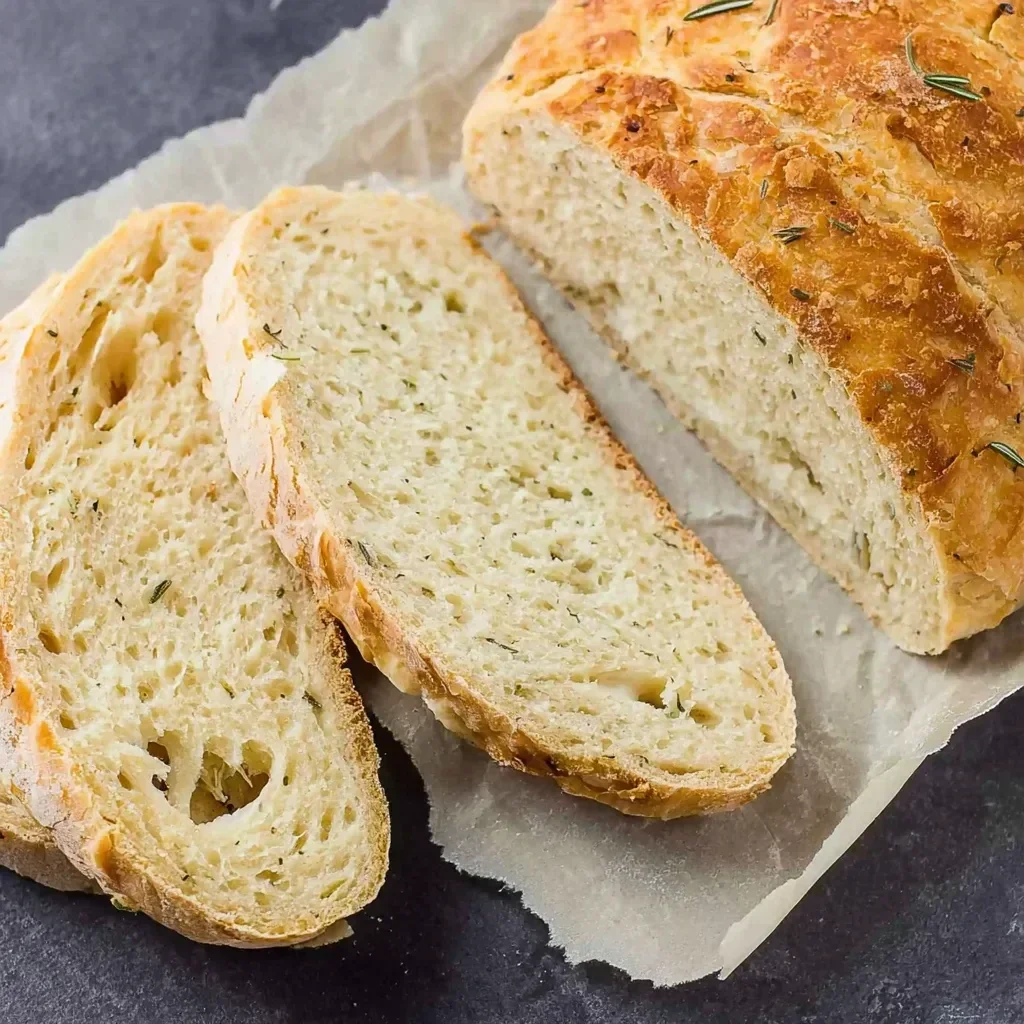
Common Mistakes to Avoid:
- Forgetting to let your bread rise long enough will lead to a dense texture.
- Not adequately greasing or flouring the Dutch oven can cause sticking.
Pro Tips:
- For an even more flavorful bread, infuse olive oil with garlic and brush it on before baking.
- Add sundried tomatoes or olives for an extra flavor boost.
Nutrition Highlights Table:
NutrientPer Serving Protein7g Carbs12g Fat6g Pair this bread with beautiful soups like our Homemade Broccoli Tots for a wholesome meal option!
Serving, Storage & Freezer Tips
How to Serve Rosemary Cheese Bread
This bread shines when served warm alongside a smooth, creamy soup or as a base for fresh bruschetta. Enjoy it fresh out of the oven with a drizzle of olive oil and a sprinkle of sea salt. It also pairs excellently with a charcuterie board for gatherings.
How to Store Rosemary Cheese Bread
Wrap the cooled bread in plastic wrap or place it in an airtight container at room temperature. This way, it retains its softness for about 2-3 days. Remember to allow it to cool completely before wrapping to maintain its crust.
Can You Freeze Rosemary Cheese Bread?
Absolutely! Wrap the bread tightly in plastic wrap and then in foil before freezing. It’s best enjoyed within 2-3 months. Just thaw it at room temperature before serving for that fresh-baked aroma.
This bread brings back sweet memories of family gatherings for me, and I hope you create your own magical moments with this recipe.
FAQ Section
What’s the best flour for bread-making?
Bread flour is ideal due to its higher protein content, which helps create structure in the loaf. However, all-purpose flour works in a pinch if needed.
Can I use fresh herbs instead of dried?
Absolutely! Fresh herbs, such as rosemary or thyme, typically bring a brighter flavor.
What can I serve with Rosemary Cheese Bread?
It pairs beautifully with soups, stews, or as a base for open-faced sandwiches, providing a delightful accompaniment to various dishes.
Why is my bread dense?
This could result from insufficient rising time or inactive yeast. Ensure your yeast is fresh and allow the dough enough time to rise properly!
CONCLUSION
There’s nothing quite like the warm, comforting embrace of Rosemary Cheese Bread. This recipe serves not just as a guide, but a way to connect with your loved ones or even yourself through cooking. If this recipe reminds you of someone you love, share it with them. Your memories keep recipes alive, and this warm loaf is a perfect vessel for nostalgia and togetherness.
YOU MAY ALSO LIKE:
Embrace the artistry of bread-making; it’s not just about the final product, but the journey it takes to get there!
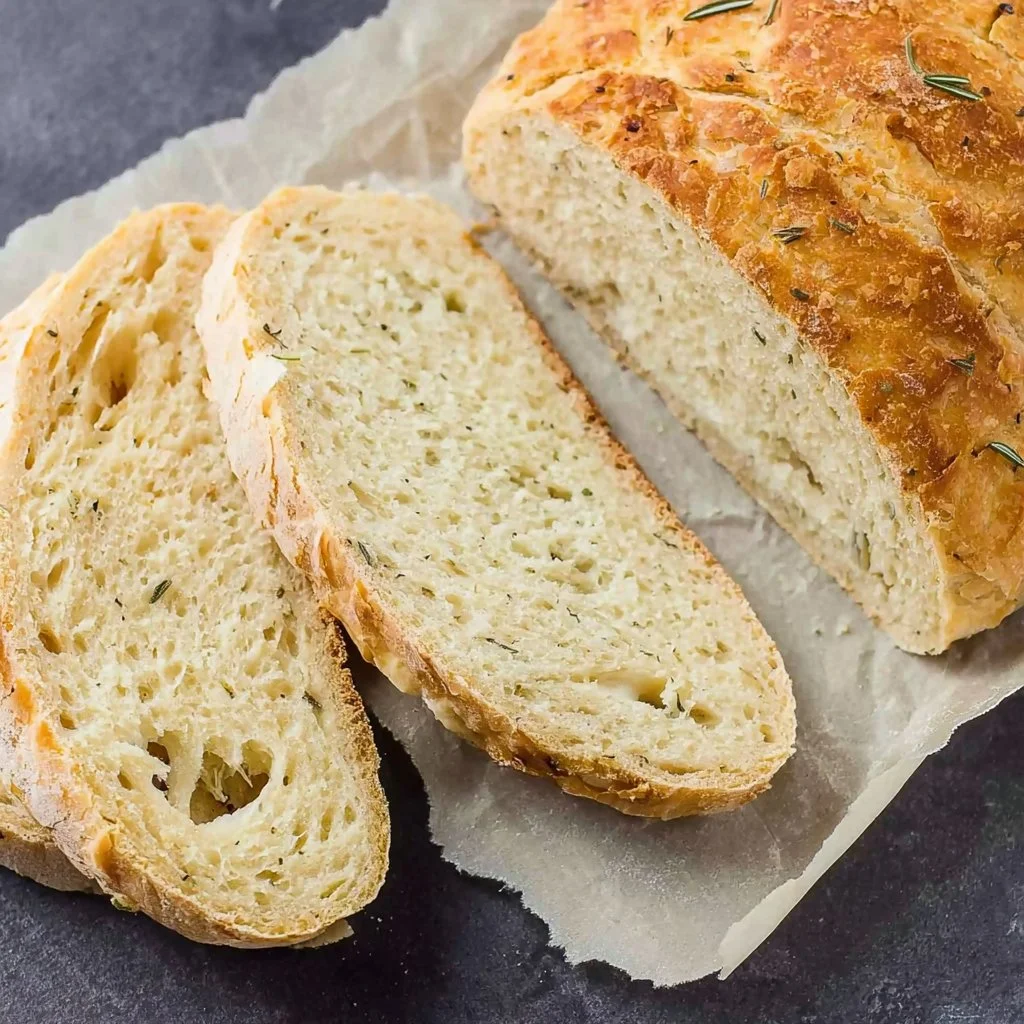
Rosemary Cheese Bread
Ingredients
Method
- In a large bowl, combine the flour, salt, pepper, yeast, and 3/4 cup of the cheese, along with the rosemary. Stir with a whisk.
- Slowly pour in the lukewarm water, mixing with a wooden spoon until a ball of dough forms.
- Cover the bowl with plastic wrap and let it set on the counter overnight, for 8-24 hours.
- Turn the dough out onto a lightly floured surface. With well-floured hands, shape it into a ball.
- Place the dough into a smaller, lightly greased bowl. Cover it with a tea towel and let it rise for 2 hours or until doubled in size.
- Preheat your oven to 450ºF, with a 4 to 6-quart Dutch oven positioned on the lower rack.
- Once the dough has risen, sprinkle cornmeal generously in the Dutch oven. Carefully place the dough inside, topping with the remaining cornmeal.
- Cover the pot and return it to the oven. Bake for 30 minutes.
- Remove the lid, sprinkle with the remaining cheese, and bake uncovered for an additional 15-20 minutes.
- Turn the bread out onto a wire rack and let it cool completely.