
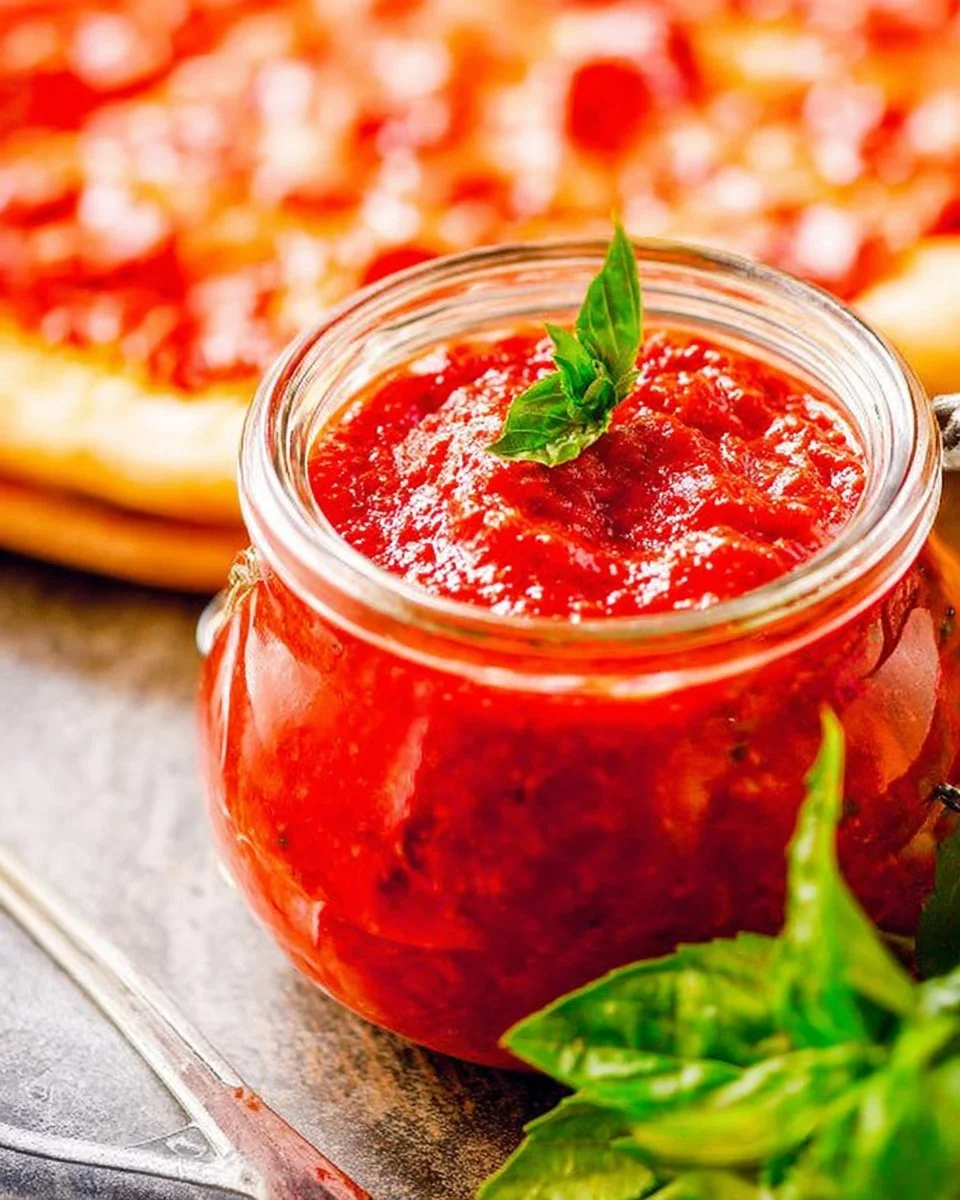
Homemade Pizza Sauce
There’s something undeniably comforting about the aroma of simmering tomatoes and spices wafting through your kitchen. When it comes to creating the perfect homemade pizza, the sauce is not just an accessory; it’s the heart and soul of your dish. A rich, flavorful sauce elevates a simple crust into a culinary masterpiece bursting with vibrant taste. Whether you’re hosting a pizza night with friends or indulging in a cozy dinner with family, a homemade sauce transforms your pizza into something unforgettable. Imagine biting into a slice topped with gooey cheese and that luscious, zesty tomato sauce that dances on your taste buds. You’ll find that not only is this recipe incredibly easy, but it also opens the door to countless customization possibilities, making it a must-have for any kitchen. Get ready to dive into the delicious world of pizza-making, where you’ll discover just how simple and satisfying crafting a homemade pizza sauce can be.
Why You’ll Love This Recipe
This homemade pizza sauce is not just quick and easy; it’s packed with flavor and made from simple ingredients that you likely already have in your pantry. Say goodbye to store-bought sauces filled with preservatives and hello to a fresh and vibrant alternative. The combination of tomato sauce and paste creates a robust base, complemented by garlic paste, herbs, and a hint of sweetness that balances the acidity of the tomatoes. Best of all, you can adapt the seasoning to fit your personal taste, whether you prefer a bit of heat from red pepper flakes or additional herbs for an aromatic kick. This sauce pairs perfectly with any topping you can imagine, ensuring that every pizza will be a hit among family and friends. It not only enhances your homemade pizzas but can also serve as a dipping sauce for breadsticks and calzones, making it a versatile addition to your recipe repertoire.
What Makes This Recipe Special
What sets this pizza sauce apart from the rest is the simplicity and accessibility of its ingredients. Each one plays a crucial role in building the sauce’s depth, offering a balance of acidity, sweetness, and umami that you just can’t replicate with store-bought options. Garlic paste infuses a rich aroma and flavor profile, while dried oregano and basil provide that classic Italian essence that everyone craves. The addition of paprika gives it a slight smokiness, enhancing its complexity. This sauce is all about convenience; a quick whisk in a bowl is all it takes, making it perfect for those busy evenings when you need easy dinner ideas. Its versatility is another highlight; whether slathered on a classic pepperoni pizza or used as a base for gourmet toppings, this homemade sauce delivers a freshness that takes your meal to the next level. Not to mention, it can last in your fridge for a week or be frozen for future use, bringing homemade goodness to your table anytime you crave it.
Ingredients
tomato sauce: Forms the base of the sauce, adding rich tomato flavor.
tomato paste: Provides thickness and enhances the tomato flavor.
garlic paste: Infuses the sauce with a delicious garlicky aroma.
dried oregano: Adds a classic Italian herb flavor.
dried basil: Enhances the sauce with a sweet, aromatic touch.
paprika: Contributes a subtle smokiness and a hint of warmth.
granulated sugar: Balances the acidity of the tomatoes for a well-rounded sauce.
red pepper flakes: Offers a spicy kick to the sauce.
salt: Enhances overall flavors and balances the sauce.
black pepper: Adds a mild heat and depth of flavor.
onion powder: Provides a slight sweetness and depth to the sauce.
How to Make Homemade Pizza Sauce
STEP 1. Combine ingredients. In a medium bowl or large measuring cup, add all the specified ingredients and whisk together until smooth.
STEP 2. Taste and adjust. Sample the sauce and adjust flavors if necessary, adding additional salt or red pepper flakes to suit your taste.
STEP 3. Store the sauce. Use as desired or transfer the sauce to an airtight container for storage. The sauce will keep in the fridge for up to 1 week and in the freezer for up to 2 months.
Pro Tips
To elevate the flavors in your homemade pizza sauce, consider using fresh herbs instead of dried ones when in season, as they can intensify the aroma and taste. You can also customize the spice level by increasing or decreasing the amount of red pepper flakes, depending on your family’s heat preferences. If you want a deeper, richer flavor, let the sauce sit in the fridge for a few hours or overnight; this allows the flavors to meld beautifully. Always remember to taste the sauce as you go, as adjusting the seasoning at different stages of preparation will ensure that it perfectly matches your preferences. Lastly, feel free to keep the sauce at room temperature before using it on your pizza for optimal flavor; this way, it will blend seamlessly into your crust and toppings.
Common Mistakes to Avoid
One common mistake is skipping the tasting step; always try your sauce to ensure balance in flavors. Adding too much salt early on can lead to an overly salty result — reserve some for final adjustments. When using crushed tomatoes instead of tomato sauce, be mindful of the texture, as the consistency may differ and require adjustments in thickness. If you’re blending ingredients, avoid overprocessing, which can make the sauce too thin. Furthermore, leaving out the sugar can make the sauce taste overly acidic; balance is key for that perfect flavor. Finally, don’t underestimate the importance of proper storage – always ensure that your sauce is stored in an airtight container to maximize freshness.
Variations
• Spice it up with fresh chilies for an extra kick.
• Incorporate fresh herbs like basil or parsley for a vibrant, fresh flavor.
• Add a splash of balsamic vinegar for a sweet and tangy twist.
• Mix in crushed capers or olives for an herby Mediterranean touch.
• Consider a vegan twist by substituting with alternative sweeteners instead of sugar.
• Add roasted garlic for a mellow, sweet depth of flavor.
Serving Ideas
This homemade pizza sauce is incredibly versatile and pairs beautifully with any pizza creation, from classic Margherita to gourmet white pizzas. Use it as a dipping sauce for your breadsticks, calzones, or even as a base for lasagna instead of traditional marinara. Think outside the pizza box: try it drizzled over grilled vegetables or as a sauce for a hearty pasta dish. This sauce is also a fantastic addition to baked dishes, helping to unify flavors in casseroles and savory tarts. Its rich taste can complement a variety of flavors, making it an essential addition to your kitchen arsenal.
Meal Prep & Storage
Making this pizza sauce in advance is a great way to streamline your mealtime routine. As it only takes minutes to prepare, consider doubling or tripling the recipe for future use. Store the sauce in airtight containers in the refrigerator for up to a week, which means you can enjoy quick family meals without the hassle on busy weeknights. For longer storage, freeze the sauce in portioned amounts—ice cube trays work well for this—so you can thaw just what you need at a moment’s notice. Remember to allow the sauce to cool completely before freezing, and label your containers with dates for easy tracking. When reheating, gently warm on the stove or in the microwave, adding a splash of water if needed to regain the desired consistency.

FAQs
Can I customize the spice level of the sauce?
Yes! You can easily adjust the amount of red pepper flakes according to your preference. For a milder sauce, simply reduce the quantity or omit them entirely.
How long does homemade pizza sauce last in the fridge?
When stored in an airtight container, it can last for up to 1 week in the refrigerator and up to 2 months in the freezer.
Can I use fresh tomatoes instead of sauce and paste?
Absolutely! However, keep in mind that fresh tomatoes will require additional cooking and may need to be pureed for a smoother sauce.
What’s the best way to use this pizza sauce?
It’s perfect for pizza, but also works exceptionally well as a dipping sauce for breadsticks, a base for casseroles, or even drizzled over roasted veggies.
Is it necessary to add sugar to the sauce?
While it helps to balance the acidity, you can adjust or completely omit the sugar based on your personal preference.
Conclusion
Creating your own pizza sauce at home opens the door to endless possibilities in the kitchen. It’s an easy step that enhances the flavor of your pizzas while allowing you to customize it to suit your taste buds. With this recipe, you’ll find that a delicious, comforting pizza is just a whisk away. Whether it’s for a family gathering or a cozy night in, you have all the tools to craft the perfect sauce that will take your homemade creations to new heights. Enjoy the journey of taste it brings!
Homemade Pizza Sauce
Ingredients
Method
- In a medium bowl or large measuring cup, add all the specified ingredients and whisk together until smooth.
- Sample the sauce and adjust flavors if necessary, adding additional salt or red pepper flakes to suit your taste.
- Use as desired or transfer the sauce to an airtight container for storage.
- The sauce will keep in the fridge for up to 1 week and in the freezer for up to 2 months.