
Whether you’re attending a fancy gathering or simply indulging on a cozy afternoon, the delicate crunch and chewy center of French macarons can elevate any moment. Yet, these iconic pastries often intimidate home bakers with their reputation for being finicky and challenging to make. We’ve all had those moments when our culinary endeavors take unexpected turns, right? But what if I told you that crafting the perfect batch of French macarons is less about precision and more about love, patience, and a few key techniques? Join me in exploring how to create these enchanting treats that bring joy and sweetness to any table, creating memories and smiles along the way.
A Journey of Sweet Frustration: Overcoming the Macaron Blues
I’ll never forget the first time I attempted to whip up a batch of French macarons. I was determined to impress my family during a holiday gathering. In my excitement, I whisked the egg whites with fervor and folded in the almond flour without a second thought. The result? Flat, shapeless discs that resembled sad, forgotten cookies rather than the delightful, airy confections I envisioned. Instead of giving up, I took a step back, researched, and learned from my mistakes.
What struck me most during this journey was how a tiny misstep—like not properly sifting ingredients or not letting the macarons rest—could thwart my aspirations. However, with each failure, I also found joy in the process. Baking transforms us; it challenges our patience and rewards our perseverance. So, if you’re feeling the notorious Macaron Blues, know that you are not alone. Embrace the journey, learning through trial and error, and soon enough, you’ll set forth a tray of beautiful macarons that are the ideal treat for family, friends, or just for you.
As you embark on this culinary quest, remember this: French macarons thrive on attention and care. You’ll find that with a bit of guidance, practice, and, yes, a pinch of love, they can transform a simple kitchen into a Parisian patisserie. For the finest culinary tips, check out our recipe for Peanut Butter Chicken, which is another example of how magic happens in the kitchen when you invest your heart into every step.
The Magic of French Macarons: Why They Capture Hearts
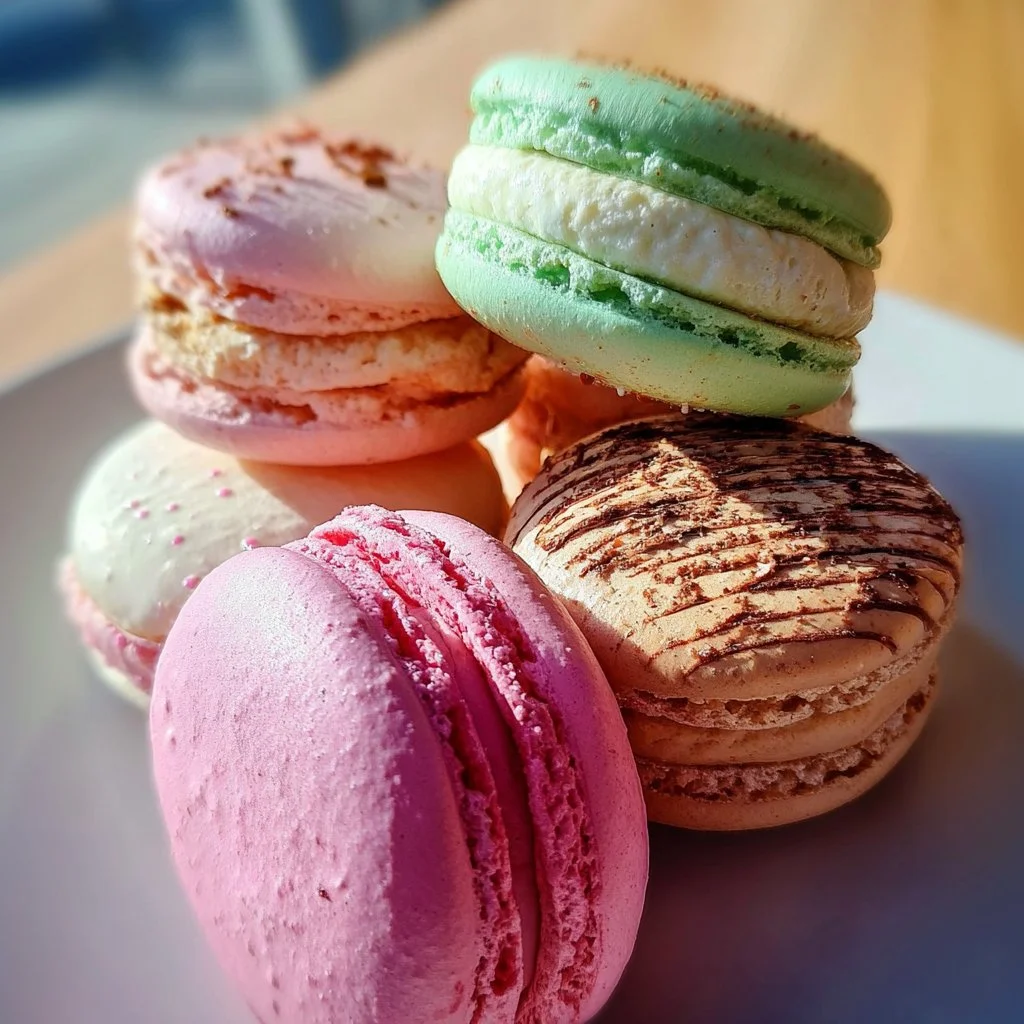
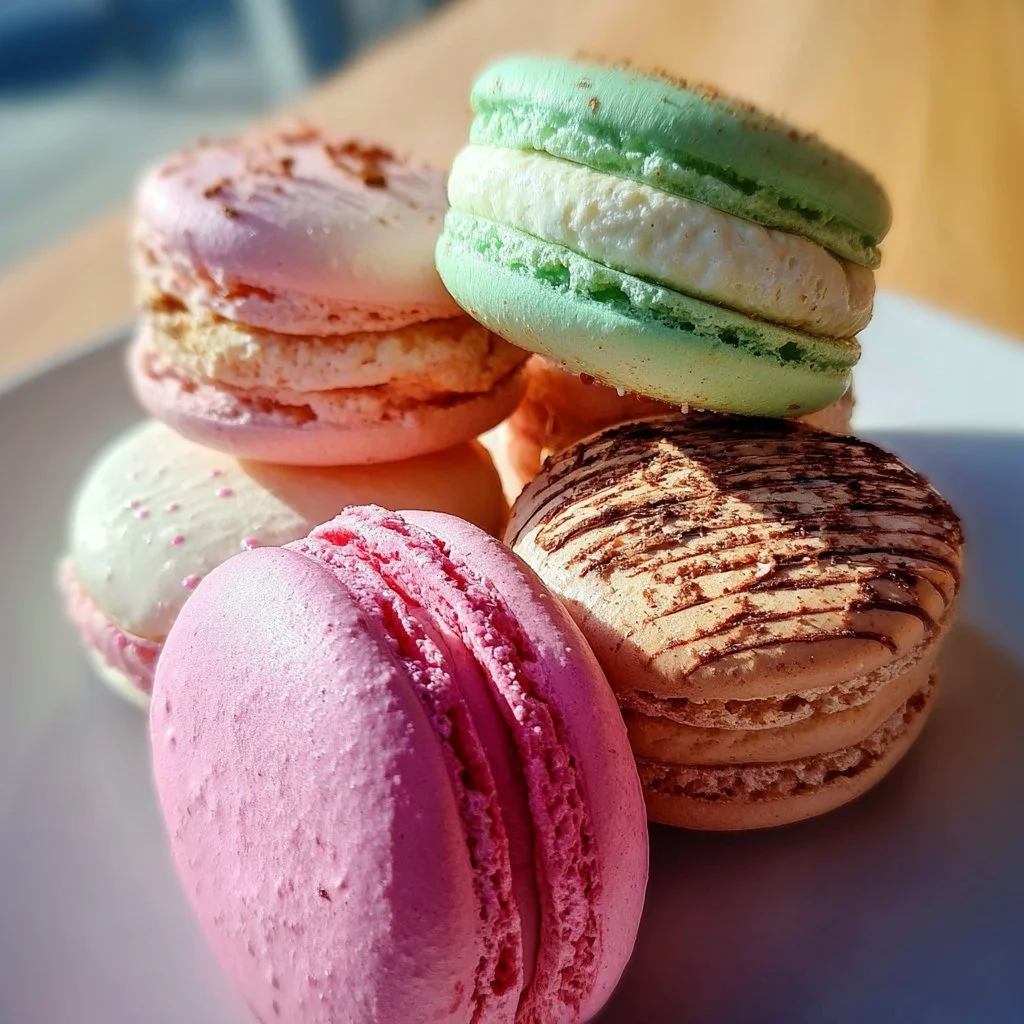
The allure of French macarons lies in their exquisite texture and vivid flavors. These petite delights boast a crisp exterior with a smooth, chewy interior, creating a juxtaposition that dances on your tastebuds. The vibrant colors of macarons make them not just a treat but a visual feast, perfect for any occasion.
Why do these scrumptious cookies work so well? It boils down to the unique combination of ingredients and technique. Carefully whipped egg whites folded with almond flour and powdered sugar create the essential base, while a sweet filling, whether it’s luscious buttercream, rich ganache, or a fruity jam, can be tailored to your liking. This flexibility allows you to craft macarons for every taste and preference, making them an excellent choice for entertaining or personal enjoyment.
Quick Answer: The secret to perfect French Macarons is achieving stiff peaks in egg whites and folding the flour mixture gently to maintain airy volume.
When embarking on your macaron adventure, curious minds should know that the key to achieving those little feet we all love is ensuring the mixture forms a smooth “ribbon” when dropped from a spatula. For a delightful dessert pairing, consider browsing our recipe for Cinnamon Roll Cheesecake, which showcases the beauty of making desserts that not only satisfy but also impress.
Here’s another practical tip: Allow your piped macarons to rest for 30 to 60 minutes before baking. This step forms a protective shell and makes all the difference in achieving those beautiful feet!
Ingredients, Substitutions & Foolproof Steps
Let’s talk ingredients because every great recipe starts with quality components. Here’s what you’ll need to create your delicate French macarons:
- 1 cup powdered sugar — Adds sweetness and helps create that smooth texture; look for organic versions if preferred.
- 1/2 cup almond flour — Provides a unique nutty flavor; if you’re allergic, finely ground sunflower seeds can be a substitute.
- 2 large egg whites — The backbone of macarons; ensure they’re at room temperature for optimal whipping.
- 1/4 cup granulated sugar — Balances out the sweetness; you can use coconut sugar for a more caramel-like flavor.
- 1/4 teaspoon cream of tartar — Helps stabilize the egg whites; lemon juice can replace it if you don’t have any on hand.
- Food coloring (optional) — Lets you inject personality into your macarons; gel colors tend to yield the best results.
- Filling of choice (e.g., buttercream, ganache, jam) — Customize to your heart’s delight, matching flavors for an extraordinary treat.
Directions / Steps:
- Preheat your oven to 300°F (150°C). Line a baking sheet with parchment paper.
- In a bowl, sift together the powdered sugar and almond flour to remove lumps.
- In a separate bowl, beat the egg whites with a mixer until foamy. Gradually add the granulated sugar and cream of tartar, continuing to beat until stiff peaks form.
- If using food coloring, add it now to achieve the desired hue.
- Gently fold the almond flour mixture into the egg whites until just combined. The batter should flow like a ribbon from the spatula.
- Pour the mixture into a piping bag fitted with a round tip. Pipe 1-inch circles onto the prepared baking sheet, leaving space between each macaron.
- Tap the baking sheet on the counter to release air bubbles. Let them sit at room temperature for 30-60 minutes until a skin forms.
- Bake for 15-20 minutes until they have risen and are set. Let them cool completely on the baking sheet.
- Once cooled, pair the macarons with their matching halves and fill with your preferred filling. Enjoy!
Common Mistakes to Avoid:
- Skipping the sifting step can lead to clumpy textures.
- Over-mixing the batter deflates the delicate egg whites.
- Not allowing macarons to rest can lead to flat results.
Pro Tips:
- Invest in a kitchen scale for precise measurements.
- Experiment with different flavors and fillings to create your unique combo.
- Macarons are best enjoyed fresh but can be stored in an airtight container for a few days.
Nutrition Highlights Table
NutrientPer Serving Protein7g Carbs12g Fat6g It’s always good to be conscious of nutrition while enjoying the sweet things. Explore other nutritious options in our article on Gluten and Dairy-Free Breakfast Ideas.
Serving, Storage & Freezer Tips
How to Serve French Macarons
French macarons shine on any dessert table. Serve them on a beautiful platter alongside fresh fruits or a selection of chocolates for a stunning presentation. They also make for delightful party favors, wrapped in clear cellophane tied with a ribbon.
How to Store French Macarons
Store your macarons in an airtight container for up to three days at room temperature. To keep them fresh, consider placing parchment paper between layers of macarons.
Can You Freeze French Macarons?
Yes, you can! To freeze, layer them between parchment paper in an airtight container, and they can last for about a month. Just remember to defrost them in the fridge before serving for the best texture!
Reflecting on my own first experiences with macarons, I fondly remember how they transformed each gathering into a special occasion. There’s something magical about sharing these delicate treats, and they surely made moments with family memorable.
FAQ SECTION
Can I use regular flour instead of almond flour?
Using regular flour is not recommended, as it changes the texture. Almond flour is essential for achieving the right mouthfeel in French macarons.
How can I prevent my macarons from cracking?
Cracking generally occurs if they are baked too hot or if they haven’t rested enough. Make sure to follow the resting and drying steps closely for perfect results.
What flavors for fillings are best?
Popular fillings include buttercream, chocolate ganache, lemon curd, or even fruit jams. It depends on your taste, so don’t hesitate to get creative!
Can I tint macarons with natural food dye?
Absolutely! Depending on your preference, natural colors like beet juice or turmeric powder can be used, though they may not give as vibrant a hue as gels or synthetic dyes.
Conclusion
As we wrap up this journey through the enchanting world of French macarons, I hope you’ve found encouragement and inspiration to give them a try. After all, baking is not just about creating, but also about crafting memories and sharing joys with those we love. If this recipe reminds you of someone you love, share it with them. Your memories keep recipes alive.
YOU MAY ALSO LIKE:
- Cottage Cheese Chips Recipe
- Alice Springs Chicken: A Complete Guide
- Chocolate Pudding Recipe: Silky, Easy Homemade Comfort
French Macarons
Ingredients
Method
- Preheat your oven to 300°F (150°C). Line a baking sheet with parchment paper.
- In a bowl, sift together the powdered sugar and almond flour to remove lumps.
- In a separate bowl, beat the egg whites with a mixer until foamy.
- Gradually add the granulated sugar and cream of tartar, continuing to beat until stiff peaks form.
- If using food coloring, add it now to achieve the desired hue.
- Gently fold the almond flour mixture into the egg whites until just combined. The batter should flow like a ribbon from the spatula.
- Pour the mixture into a piping bag fitted with a round tip.
- Pipe 1-inch circles onto the prepared baking sheet, leaving space between each macaron.
- Tap the baking sheet on the counter to release air bubbles. Let them sit at room temperature for 30-60 minutes until a skin forms.
- Bake for 15-20 minutes until they have risen and are set. Let them cool completely on the baking sheet.
- Once cooled, pair the macarons with their matching halves and fill with your preferred filling. Enjoy!